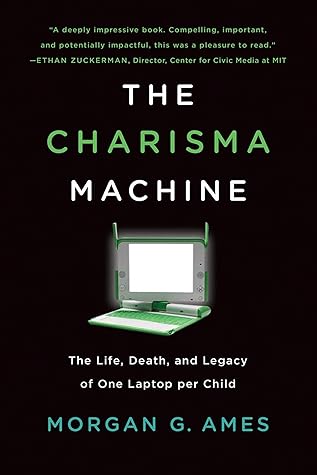
We examine the work that these imaginaries do for projects such as OLPC by evoking deeply held feelings about the value of (certain types of) play, creativity, and learning and the kind of child capable of them. In particular, OLPC implicitly invokes the social imaginary of the technically precocious boy, which developed as an alternative to dominant notions of masculinity in the United States.