
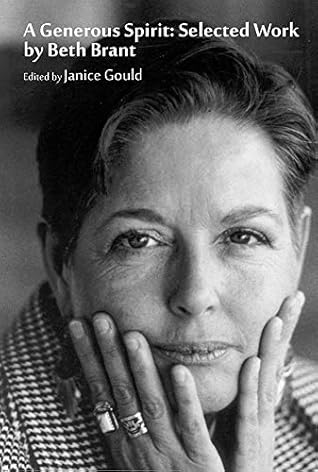
More on this book

Kindle Notes & Highlights
by
Janice Gould
Read between
August 18 - August 19, 2020

“In the old days, sweetie, the turkey used to fly real high. Almost as high as a hawk. There was an animal, a porcupine, who got jealous of the turkey’s pretty colors and the way she could fly. See, the porcupine was kinda ugly. One night when the turkey was sleeping, the porcupine sneaked up and clipped her wings with his sharp claws. After that, the turkey couldn’t fly very far or very high, but she still kept her pretty feathers. The porcupine made the Creator so mad, he gave him those long, sharp quills so nobody would go near him anymore.”

If that isn't the best analogy for whiteness
He got up and walked in the,. He jumped and clicked his heels together.
“We only see what’s there. Nothin’ special about that. But we’ve been around for a long time. This is our home, has been for millions of years. Guess you could say we’re familiar with all that’s around us. Your people didn’t get the chance to be familiar yet. You was brought here without your say-so.
Once you gets to thinkin’ that a reward waitin’ on you for bein’ poor and colored, why it just beat you down more. You don’ stops to think ‘bout doin’ somethin’ ‘bout it right here, right now.
You ever think ‘bout heaven always bein’ so white? Lord child! Whooo!”
our work is said to have no plots!
I guess it has not occurred to consumers and salesmen that the reason there are special places that resonate are because the stones were there, not hanging around the necks of gullible and weary pilgrims who quest for some anodyne to a cold and loveless society.
But I am talking about white people, because in all the information I have gathered, this religion and/or movement is populated by Anglos and most especially, Anglos with money to spend.
Leslie Silko, when asked by a white woman how to learn about Indian religions, replied, “Get involved in environmental issues. Help save Earth from destruction. This is our religion.” However, I think Leslie knew, as I do, that her reply was not what the white woman wanted to hear.
Parable of the rich man
The ethos of the new-age is passivity and dilettantism.
Slacktivism in 1992
orenda, a Mohawk description of what cannot be explained but is accepted as the natural order of life.
