
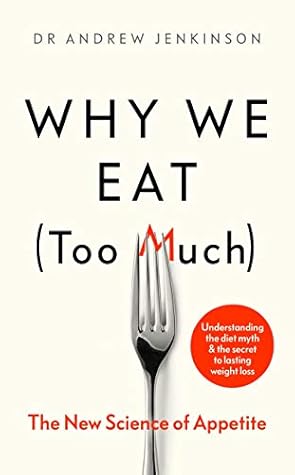
More on this book


Kindle Notes & Highlights
Read between
May 11 - July 6, 2020

The Cholesterol Debate

The truth about cholesterol
The Morning Commute
Analogy #1
Step 5 of the plan encourages starting with a daily glycaemic load maximum of 100, then slowly reducing this to a daily load of 80, or lower if this is comfortable.
Glycaemic load goals
insulin – A hormone produced by the pancreas in response to food, particularly carbohydrates. It works to clear excess glucose (sugar) from the blood by opening the channels in the cells that suck in glucose.
leptin resistance – The presence of very high levels of leptin that are not sensed by the hypothalamus.
metabolic adaptation – Alterations in the amount of energy expended in response to the amount of energy consumed in order to defend a weight set-point and stop extreme weight fluctuations.
weight set-point – The term refers to the weight that the body senses is safest for its survival and reproduction. The weight set-point is determined by genetic, epigenetic and environmental factors.
Insulin is a hormone released by the pancreas when we eat any food containing glucose (e.g. sugar, bread, pasta). Its job is to transport the glucose from the blood into the cells themselves so that they can use it for energy.
Power is measured in watts, which we usually relate to electrical appliances, but it applies to all living and moving things. It is the amount of energy used per second. The power might come from electricity in the case of a washing machine, or a petrol engine in the case of a car, or food (then ATP) in the case of animals. To get things into perspective, 1 joule of energy is the amount used to lift an apple out of a 1-metre-deep barrel; 1 watt is the power required to lift that apple 1 metre in 1 second. To lift ten apples (or about 1kg) up 1 metre in 1 second takes 10 watts of power.
Insulin is also produced after eating protein. However, at the same time as insulin is released, protein also stimulates a hormone called glucagon. Glucagon has the opposite action to insulin, so in effect protein remains insulin-neutral.
Unless we are in starvation mode, in which case our cells break down fat and produce a glucose substitute in the blood called ketone bodies.
