
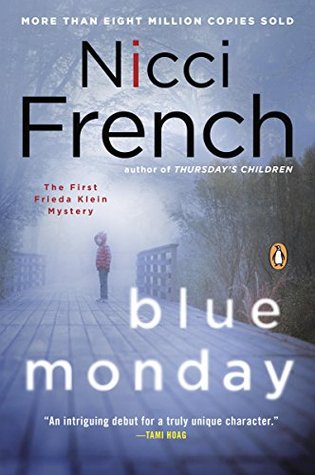
More on this book
Community


Kindle Notes & Highlights


“What’s the problem with crossing t’s? If you don’t cross them, you can’t tell that they’re t’s.”
Olivia believed that order was a kind of prison that prevented your experiencing things, and that recklessness and chaos were expressions of freedom, but for Frieda, it was order that allowed you the freedom to think, to let thoughts into the space you had created for them, to find a proper name and shape for the ideas and feelings that were lifted up during the days, like silt and weeds, and by naming them, in some sense lay them to rest.
“Some secrets give a form of freedom,” said Frieda. “Your own private space. That’s good. Everyone has to have those kinds of secrets. But some secrets can be dark and oppressive, like a horrible dank cellar you don’t dare go into but you always know is there, full of ugly underground creatures, full of your nightmares. Those are the secrets you need to confront, shine a light on, see what they really are.”
“You probably spend half your time with people who are burdened by guilt, but in my experience, people don’t feel nearly enough guilt. They feel shame when they’re caught, all right, but no guilt if they’re not. All over the world there are people who have done terrible things, and they’re living perfectly contented lives with their families and friends.”
“Most of us are in a mess at some time in our lives, wretched beyond bearing or dysfunctional beyond tolerating or simply stuck.”
Anger should be a weapon to be used discriminately, not a weakness and a loss of control.
“You can’t change your patient’s life. You just have to change the patient’s attitude to that life.”
