
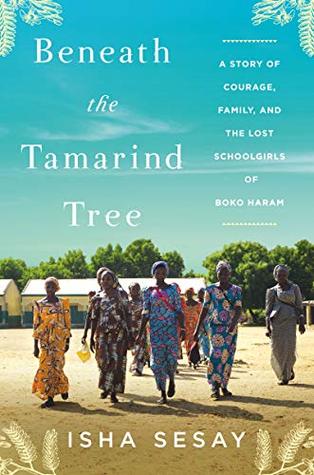
More on this book


Kindle Notes & Highlights

by
Isha Sesay
Read between
May 27 - June 1, 2020

As individuals and as a country, to know the intention of groups like Boko Haram and to still look away from the Chibok girls is to betray our shared humanity.
For the daughters of Chibok, the land carries an additional significance. They are typically given a small plot before they reach puberty—a pathway to developing an early sense of responsibility as well as financial independence. This nurturing of female autonomy in a part of the world where it is much more common to curb female independence stands out as remarkable—making this harmonious Christian-majority town, nestled deep within a Muslim-majority region, all the more noteworthy.
In the United States, the travails and triumphs of white America tend to dominate the headlines, after which come stories of black
Nigerian society’s implicit bias against its poor.
The truth is, had the Chibok girls been rich, they would have been seen as more valuable, their parents’ stories would have been listened to more attentively, and the Chibok community’s anguish would have been felt more collectively by their country. Quite simply, the girls would have mattered to many more people.
