
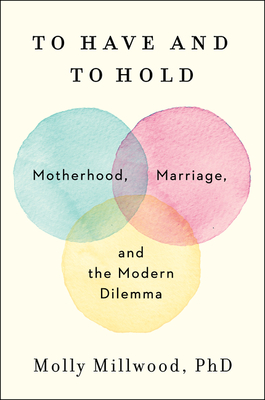
More on this book
Community


Kindle Notes & Highlights

Read between
October 1 - October 8, 2025

Motherhood not only transforms us; it also forces us to relinquish our illusions about who we were all along.
There is also no shame. There is only the full catastrophe—the cherishing and the resenting, the fulfillment and the disappointment, the pleasure and the pain—where shame finds no home.
I was (and still am, years later) recovering a dimension of myself I had denied. Buried. Lost. Until, in motherhood, it was found.
What I felt then was a mix of intoxicating love for him and acute, unexpected loss—loss of personal freedom, order, productivity, time for self-reflection and self-care, intimate connection with anyone other than the baby, and so much else I held dear that seemed to disappear when I first entered motherhood.
“And then how swiftly, how inevitably the perfect unity is invaded; the relationship changes, it becomes complicated, encumbered by its contact with the world. I believe this is true in most relationships, with friends, with husband or wife, and with one’s children. But it is the marriage relationship in which the changing pattern is shown up most clearly because it is the deepest one and the most arduous to maintain; and because, somehow, we mistakenly feel that failure to maintain its exact original pattern is tragedy
We interpret the change to mean, for instance, that we are incompatible, or that we are losing forever something we once had.
And it is when we can’t get an affirmative answer—when the strain of parenting and careers and domestic obligations and the endless logistics of life impede our ability to show up for each other and tune into each other—that we suffer.
It is the unspoken struggle of a great many couples, the same ones who look so happy and in love in their profile pictures that they can’t possibly have the kinds of explosive fights we have with our spouses, and they can’t possibly have cried quietly into their pillows the night before, their backs turned to each other, wondering when their closest ally started to feel so far away.
We need to connect to the current of our own emotions, where we will likely encounter the truth that we are fundamentally changed—not just stressed or depleted or superficially annoyed—by motherhood.
In mothering, we come up against the outer bounds of despair and rage, ecstasy and enchantment. We feel more fully the range of emotion our human existence entails.
While we are trying to make peace with the different face staring back at us in the mirror, we are also standing on shifting sand because a marital metamorphosis is under way.
It is no wonder at all that so many of us feel we are teetering on the edge of insanity at various points early on in motherhood. If we had the capacity to see any of this while it’s happening the way I’m describing it now—with understanding, justifications and explanations, gentleness, and compassion for ourselves—we would be far, far better off.
What if we could let go of our illusions about how things would one day be, or could be, or should be? What if, in loosening our hold on these expectations, they also loosen their hold on us?
In order to find well-being in the terrain of motherhood, we must accept the loss of so many illusions, not least of which are illusions about the bliss children will bring and the extent to which our spouses will share the burden and support us.
There is enough for everyone, and there is room for everything—emotions of any and every kind, mishaps and messes, creative endeavors and dreams, failures and successes, longings and fulfillments.
Striving for some unattainable fantasy version of ourselves, our children, or our relationships only brings heartache. It blinds us to the value and beauty in what already is, because we are too caught up in shame or resentment or self-improvement crusades to take in whatever the present moment may be offering.
