
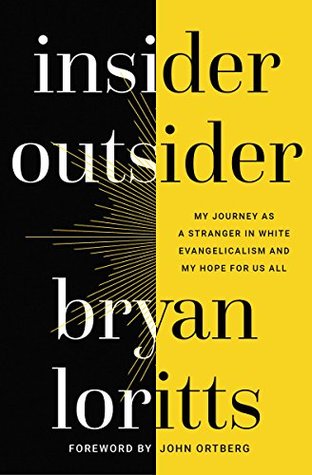
More on this book


Kindle Notes & Highlights
Read between
August 10 - August 10, 2020

This is not a book without hope. But it’s not my place to speak of hope. Hope can come too glibly to the tongue for those who have sat at the table of privilege too easily for too long. So it may be helpful for the reader to start with a willingness to bear discomfort. Any hope worth having is willing to start there, and stay there.

Intro
Then I ask students to define “white preaching” and “white theology.” The pause is palpable. Moments of awkward silence ensue—a quiet admission that they have never entertained this question before.
The election of our nation’s first African-American president did not end racism.
Powerful truth
Over the years, I’ve been challenged by white evangelicals to just get over it. Their refusal to try to see things from my ethnically different perspective is a subtle, stinging form of racist oppression. What’s more, it hinders true Christian unity and fellowship within the beloved body of Christ.
It’s sad to look back on my graduation day and realize that the four years steeped in white evangelicalism actually placed me at a disadvantage when compared to my white classmates. While we were both learning deep truths from the Scriptures, they were at the same time having their ethnic identity and worldview affirmed, while mine were being completely denied and diminished. It would take me years to make up the difference.
I’m all for making America great, I’m just not for the “again” part, because while it may have been great back then for whites, that wasn’t the case for people of color.
