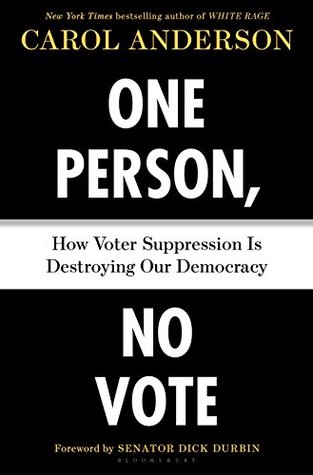
The U.S. Supreme Court disagreed and ruled that this was a “justiciable” matter, and the courts did have authority to weigh in on this issue. The constitutional rights of American citizens had been impinged upon by state action. In using the 1901 statute to draw congressional districts, Tennessee had diluted the votes of some citizens while privileging others. That dilution violated the Fourteenth Amendment’s equal protection clause. In its decision, in pointing to the disparity in the weight of votes, the court, thus, defined “one person, one vote” as the standard benchmark for democracy.
...more