
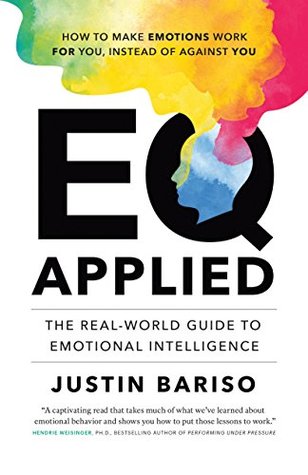
More on this book


Kindle Notes & Highlights


Dr. Hendrie Weisinger, bestselling author of Emotional Intelligence at Work,
“the Golden Rule”: treat others the way you want to be treated.
“If you aspire to be a good conversationalist,” advised Carnegie, “be an attentive listener....
Treating others as interesting keeps them at the forefront, and, ironically, makes you the person everyone loves to be around. Because who doesn’t
The Necessary Art of Persuasion.
send the message that
what’s important to them is important to you.
Some individuals need more detail than others, so work to express yourself in a way that others can understand.
One of the quickest ways to gain someone’s trust is to help them.
if you make a habit of keeping your word—in things big and small—you’ll develop a strong reputation for reliability and trustworthiness.
For one month, schedule twenty minutes a week to reflect on what you appreciate about someone important to you. It could be your significant other (or another member of your
Strive to identify situations where others use fear to influence your feelings and actions. We tend to fear the unknown; therefore, research the facts and consider opposing opinions before passing judgment or making a decision. Endeavor to see the whole picture. If you’re the victim of abuse, don’t face it alone; seek help from someone you trust.
Emotions can cause us to make a split-second decision, with consequences that will follow us for the rest of our lives. At times, they make us feel like we’re stuck in a black hole with no way out—even if in the eyes of the rest of the world we’ve got it made. But they can also provide light at the end of the tunnel, making the most dire of circumstances more bearable.
it’s how you handle those mistakes that will determine how emotionally intelligent you truly are.
What are my emotional strengths? What are my emotional weaknesses? How would I describe my communication style? How would others describe it? How does my current mood affect my thoughts and decision-making? In what situations do I find that emotions work against me?
When listening to others, don’t focus on right or wrong; rather, work to understand how perceptions differ and the reasons they do. That includes learning to take negative feedback, which can expose blind spots and lead to self-improvement.
The pause is as simple as taking a moment to stop and think before you act or speak. But beware: while easy in theory, it’s difficult in practice. Don’t expect perfection. Practice consistently, and the pause will prevent embarrassment and could save countless relationships.
Instead of judging or labeling others, work hard to see things through their eyes. Listen with the goal of understanding the other person and their point of view, even if you don’t agree. Ask yourself: Why does this person feel this way? What’s going on beneath the surface? Empathy helps increase your ability to influence
others and allows you to build deeper, more connected relationships.
By focusing on the good in others, and then specifically telling them what you appreciate, you inspire them to be the best version of themselves.
Acknowledge your mistakes and apologize when appropriate, and you’ll develop qualities like humility and authenticity, naturally drawing others to you.
Authenticity doesn’t mean sharing everything about yourself, with everyone, all of the time. It does mean saying what you mean, meaning what you say, and sticking to your values and principles above all else.
When you focus on your thinking, you resist becoming a slave to your emotions. Instead, acknowledge those feelings and then move forward in a way that’s in harmony with your goals and
always strive to make emotions work for you, instead of against you.
