
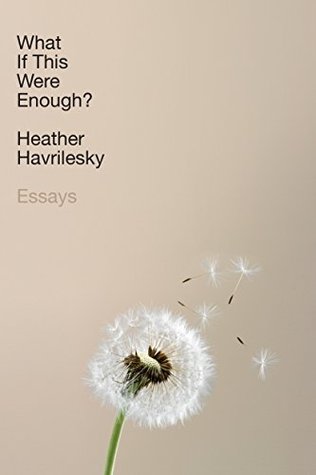
More on this book
Community


Kindle Notes & Highlights


we discover the hidden moral of this tale of luxurious excess and limitless power: There is no satisfaction in reckless, excessive accumulation. The more you have, the more you want. There is never enough.
“Rather than a tale of greed, the history of luxury could more accurately be read as a record of emotional trauma,” writes Alain de Botton in his book Status Anxiety,
Don Draper sums up this process when he tells some Dow executives: “You’re happy because you’re successful, for now. But what is happiness? It’s a moment before you need more happiness.”
Instagram feels designed to incite dissatisfaction. But not only that: We all feel like we deserve luxury now.
Our whole lives are passing us by, but we hardly notice. We are emptying out everything in our lives in exchange for meaningless figures on a screen. We are disappearing in plain sight.
This pervasive, subconscious longing is the background noise generated by the new digital realm, like the terrible hiss and hum of an old refrigerator. And it affects all of us, even if the pain it causes is most visible in the young. It tells us that no matter what our circumstances might be, we should be dressing like fashion bloggers and vacationing like celebrities and eating like food critics and fucking like porn stars, and if we aren’t, we’re losers who are doomed to non-greatness forever and ever.
The whole notion of pushing your physical limits—popularized by early Nike ads, Navy SEAL mythos, and Lance Armstrong’s cult of personality—has attained a religiosity that’s as passionate as it is pervasive. The “extreme” version of anything is now widely assumed to be an improvement on the original, rather than a perverse amplification of it. And as with most of sports culture, there is no gray area. You win or you lose. You leave it all on the floor—or you shamefully skulk off the floor with extra gas in your tank.
There will always be more victories to strive for, more strangers to charm, more images to collect and pin to our vision boards. It’s hard to want what we have; it’s far easier to want everything in the world.
Our bewildered state doesn’t just injure us individually; it impedes our ability to work together for a better world. We can’t stand for justice and effect change until we’ve learned to push away empty temptations, shiny dead ends, and trivial distractions. As long as we’re perpetually assaulted by a barrage of news and tweets and texts, as long as commercial messages and smooth brands and profit-minded discourse are our only relief from our insecure realities, we’ll never develop the ability to live in the present moment. We have to cultivate compassion for ourselves and each other. We have
...more
It’s not surprising that in a culture dominated by such messages, many people believe that humility will only lead to being crushed under the wheels of capitalism or subsumed by some malevolent force that abhors weakness. Our anxious age erodes our ability to be open and show our hearts to each other.
It severs our ability to connect to the purity and magic that we carry around inside us already, without anything to buy, without anything new to become, without any way to conquer and win the shiny luxurious lives we’re told we deserve.
We must reconnect with what it means to be human: fragile, intensely fallible, and constantly humbled.
That means that even as we stop trying to live our imaginary, glorious “best lives,” we still have the audacity to believe in our own brilliance and talent and vision—even if that sometimes sounds grandiose, delusional, or unjust. We have to embrace what we already have and be who we already are, but we also have to honor the intensity and romance and longing that batter around inside of our heads and our hearts. We have to honor the richness of our inner lives and the inherent values that are embedded there.
It’s important to recognize that even in the most compromised-seeming relationships and situations, even in the most imperfect life circumstances, you can find sustenance and grace.
