
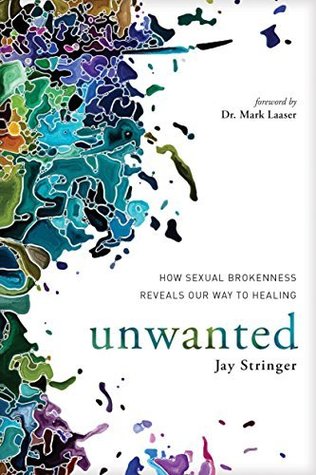
More on this book
Community


Kindle Notes & Highlights


Journeying out of your unwanted behavior is not about fearing these themes; it is about transforming them into times of rest and even meaning. If you do not have a plan for these times, you will default to your past behavior. Healing is not about simply saying no; it is about saying yes to the good, the true, and the beautiful.
I needed to have the integrity to address my marriage rather than run from it.”
He was even more devastated to learn that when I did listen to music, I would use cheap earbuds.
The more I was attentive to music, the more I found myself feeling the breezes against my skin and the more I was able to smell in a way that made my mouth water. If we have ears to hear, eyes to see, and skin to feel, there is a wild and sensual world that awaits us.
The joy of repentance is found in turning from entitlement to the pursuit of what we truly deserve. Entitlement is an attitude that we have an inherent right to get what we were deprived of. Repentance refocuses us not on what we demand but on what we deserve. Repentance is faith that God truly desires to give us what is best for us.
The more you live a life of holistic integrity with your desire, the less appealing that behavior promising release but concluding in judgment will become.
Unwanted sexual behavior tends to eclipse other problematic behavior. Take an inventory of areas of your life that remain unhealthy. Common issues might involve a disordered relationship with alcohol, tobacco, or food. Discuss these areas with your group, friends, and therapist.
Healing will come to only the degree that you assess the particulars of the damage that years of unwanted sexual behavior have caused. Emotional pain is harder to see than a physical injury, but the process of restoration is not entirely different.
Reclaim your body. You are the owner of your body and have authority over what it participates in. This obviously includes your sexual behavior but also the thoughts you have about your body. There are likely parts of your body that you have cursed.
When we do not practice being kind to our bodies, we become flippant with the behavior they participate in.
“The Lord is for my body, and my body is for the Lord” and “I am a child of God.”
you likely recognized that unwanted sexual behavior had a generational component.
I find that when my clients see the long-standing issue of sexual brokenness in their families, they gain tremendous motivation to leave behind different legacies for their own children.
The synopsis of the failure was that saying no is not an effective solution to destructive behavior; one must pursue something generative. The same thing is true of sex. Many recovery programs fail because they are preoccupied with telling people what behavior to avoid. True recovery is not about quarantine of the body but about its restoration.
Sexually broken people tend to avoid experiences where they risk the chance of being found incompetent or embarrassed, so they often miss the opportunities to experience nurture. To mature, we must allow our needs for guidance and care to be known.
Rather than hunger, these individuals experience stress, anger, anxiety, and depression and use food to alter these unpleasant emotions.
God invites us to the renewal of our minds, not the reining in of desire.
Healing is not found in condemning desire but in liberating it to pursue sexual stories that soar to new heights of glory, honor, and worship.
Our hearts know we were made to live in cathedrals of worship, not hovels of sexual shame. Until we find worship, our hearts are restless.[6]
In your unwanted sexual behavior, you were pursuing a knockoff version of worship.
You’ve been harmed and you’ve done harm, but the antidote is not quarantine; it is greater participation in the goodness of your body.
Surveillance constructs a prison, but serenity opens the gates for play and true freedom. Surveillance is a counterfeit.
This is an unhelpful invitation to bury your lust at the cost of listening to it and transforming your longings.
The healing path is not about trying to conform to this demand for perfection through avoiding mistakes, darting your eyes, or killing sexual desire.
Measure your growth not by perfection but by outgrowing your need for unwanted sexual behavior. When
THE PARADOX OF RELATIONSHIPS is that they are the context of our greatest harm but also of our deepest healing. Author
Harville Hendrix said it this way: “We are born in relationship, we are wounded in relationship, and we can be healed in relationship.”[1]
When you allow your emotions to be seen, you will be less dependent on your need to escape them.
Share.
Listen (part 1).
Ask. Ask
Reflect.
Get creative.
“You can’t stop the waves, but you can learn to surf.”[3]
One of the best ways we can practice containment is to anticipate our needs. This forces us to say yes to the things we need and no to things that will drive us deeper into stress and deprivation.
Listen
Spend five minutes every day learning to attune to and then contain your emotions.
Forecast.
Are there events on your calendar or times of day when you will be particularly tempted to engage in unwanted sexual behavior? Fortify your resolve to say no by pursuing integrity with what truly needs care or completion.
Pursue conn...
This highlight has been truncated due to consecutive passage length restrictions.
Pursue creativity with others.
Contain the most predictable times of acting out through pursuing enjoyable or productive activities with others.
This puts a tremendous strain on their partners to be sexual in order to experience intimacy. The pressure men put on their partners inevitably erodes desire. How can a partner desire the very thing she is pressured to offer?
What the son needs most is to have the relationship repaired, not further ruptured through punishment (whether physical or psychological) or stonewalling.
When children are not equipped to turn to healthy relationships for repair, they will eventually look outside their parents or primary caregivers for rescue.
Swiss psychiatrist Carl Jung said, “Everything that irritates us about others can lead us to an understanding of ourselves.”[2]
How might these experiences be inviting you to care for an open wound?
