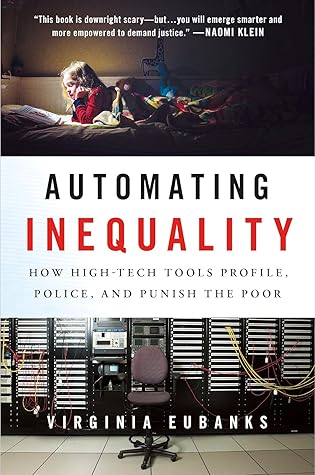
Like earlier technological innovations in poverty management, digital tracking and automated decision-making hide poverty from the professional middle-class public and give the nation the ethical distance it needs to make inhuman choices: who gets food and who starves, who has housing and who remains homeless, and which families are broken up by the state. The digital poorhouse is part of a long American tradition. We manage the individual poor in order to escape our shared responsibility for eradicating poverty.