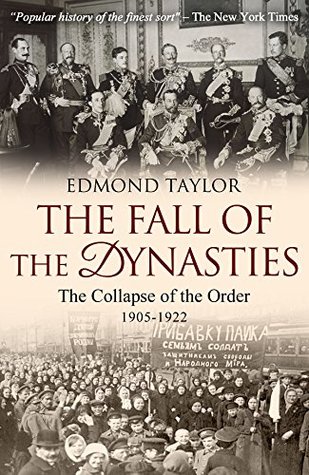
Two psychological factors seem to have been decisive in the end. The first was the sense of human brotherhood: the refusal to be an executioner. Most of the soldiers in the Petrograd garrison, even in the Guards’ regiments, were civilians recently put into uniform. Whatever they thought of the Czar, or of the monarchy, or of the army — and they certainly felt little enthusiasm for any of them — they were indignant and aghast at the prospect of being ordered out into the streets again to shoot down other civilians, most of them unarmed and friendly, many of them women or children.

Russian soldiers in dealing with riots in march 1917