
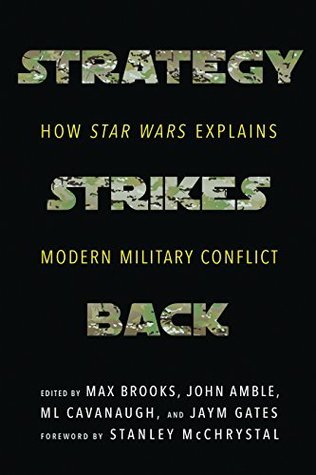
More on this book


Kindle Notes & Highlights

by
Max Brooks
Read between
December 29, 2019 - March 30, 2020

The Death Star explodes across the screen, and the movie concludes with a triumphant ceremony. The Rebel attack was dramatic and successful but hardly decisive or strategic.
The Empire Strikes Back, signaled that the war was far from over, and we see Luke Skywalker journey to his roots in order to develop the Jedi skills he will need for an extended struggle. Luke’s preparation is reminiscent of Mao Tse-tung’s doctrine of three phases of a people’s war.
The ancient adage applies, even in space: Si vis pacem, para bellum (If you want peace, prepare for war).
Darth Traya predicted what would one day come to pass: “If you seek to aid everyone that suffers in the galaxy, you will only weaken yourself . . . and weaken them. It is the internal struggles, when fought and won on their own, that yield the strongest rewards. . . . If you care for others, then dispense with pity and sacrifice and recognize the value in letting them fight their own battles.”
Spending more time and money does not improve quality or boost performance. Neither does allowing complexity to rise. Instead, as the cost, schedule, and complexity of a system increases, the likelihood of catastrophic failure rises proportionally, resulting in projects that cost more, take longer, and deliver less than promised.
There are two kinds of warriors: effective and dead. And sometimes even the dead were effective, which reveals war’s inherent unfairness.
As Joseph Stalin is said to have quipped, quantity has a quality all its own.
