
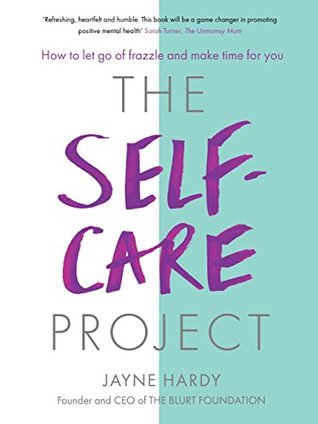
More on this book


Kindle Notes & Highlights

by
Jayne Hardy
Read between
May 16 - November 15, 2018

cultural emphasis on ‘doing good’ and ‘giving, not taking’ is putting pressure on people to be the ‘doer of all things’ and the ‘taker of none’.
Self-care is often used as an emergency measure to rebuild the damage, mentally and/or physically, that has already been done. We wait until we are unwell before we take it seriously and use self-care as a rehabilitation measure, only to stop those restorative habits when we’re back up and running. We don’t consider that self-care can also be used as a preventative measure
If you put anything under prolonged stress, it will break. Our minds and bodies are no exception.
Loneliness affects the same part of our brains that physical pain does and has considerable health implications: it causes a raise in the body’s stress response, suppresses the immune system, affects the blood flow to organs, increases our risk of morbidity and raises blood pressure.
‘We do the best we can, with what we know.’
We can’t be everything to everyone. We just can’t.
We gradually put others on a pedestal and we just don’t match up.
Dig deeper and all that people pleasing comes from a horrible place. One where we’re not comfortable in our own skins, where other people’s approval holds more weight than our own, where our happiness is contingent on the happiness of others, where we don’t feel we matter unless we have their validation, where we will always put others first – no matter what.
