
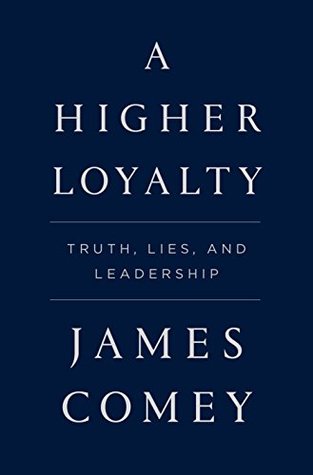
More on this book
Community


Kindle Notes & Highlights

Read between
April 17 - April 22, 2018

Ethical leaders do not run from criticism, especially self-criticism, and they don’t hide from uncomfortable questions.
We would teach that great leaders are (1) people of integrity and decency; (2) confident enough to be humble; (3) both kind and tough; (4) transparent; and (5) aware that we all seek meaning in work. We would also teach them that (6) what they say is important, but what they do is far more important, because their people are always watching them. In short, we would demand and develop ethical leaders.
• I expected they would find joy in their work. They were part of an organization devoted to doing good, protecting the weak, rescuing the taken, and catching criminals. That was work with moral content. Doing it should be a source of great joy. • I expected they would treat all people with respect and dignity, without regard to position or station in life. • I expected they would protect the institution’s reservoir of trust and credibility that makes possible all their work. • I expected they would work hard, because they owe that to the taxpayer. • I expected they would fight for balance in
...more
Effective leaders almost never need to yell. The leader will have created an environment where disappointing him causes his people to be disappointed in themselves.
It is hard for leaders to listen well because it requires us to be vulnerable, to risk our superior position.
As I’d seen from other leaders, being confident enough to be humble—comfortable in your own skin—is at the heart of effective leadership.
