
More on this book
Community


Kindle Notes & Highlights

Read between
July 12 - July 30, 2021

In Victorian England, the displaying of medicines in the parlor was a sign that one could afford to see a doctor and buy medicine.
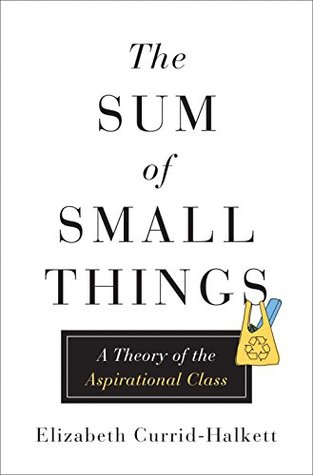
Today’s aspirational class prizes ideas, cultural and social awareness, and the acquisition of knowledge in forming ideas and making choices ranging from their careers to the type of sliced bread they purchase at the grocery store. In each of these decisions, big and small, they strive to feel informed and legitimate in their belief that they have made the right and reasonable decision based on facts (whether regarding the merit of organic food, breast-feeding, or electric cars).
These are parents who, steeped in Lareau’s concerted cultivation, spend most of their free time thinking about how to make their children’s lives better. Yet, by default, in many of their decisions they are subconsciously judging those who make different ones, oblivious to the fact that each decision ultimately rests on the economic and social freedom a mother does or does not possess, and that this freedom is derived almost entirely from her position in a capitalist society.
“The truth is that almost none of the objects that we think of as handmade truly are. And that has been the case for thousands of years,”
Some 150 years after the Industrial Revolution took hold of the metropolis, long after the last factory closed shop, the city has become the center of consumption, rather than production, of material goods.
