
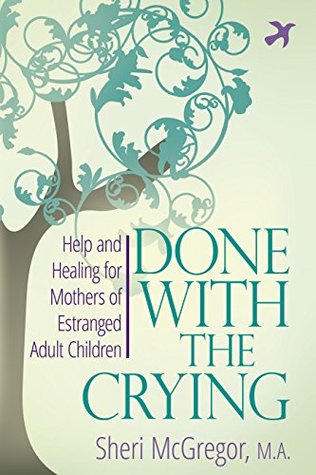
More on this book


Kindle Notes & Highlights

Mothers who have been subjected to harsh words, criticism, and a clear dictate their child wants nothing to do with them, feel powerless and alone.
Those who do tell others may be struck by their discomfort, or even their judgment.
hide your feelings to the outside world. Distressing thoughts may crowd your mind, your child’s words relentlessly looping.

True for me
In cases of estrangement, adult children may inflict pain with verbal assaults or make a sudden break, and then follow up with silence.
True
She may need to assess her situation, and admit how powerless she feels.
“He might as well have stabbed me in the heart.”
I feel.as though a piece of me is missing. I feel sad and try to block my memories And stiffle my feelings . sometimes i just want to cry.
However, mothers experiencing an adult child’s rejection rarely have experts on hand, expecting the symptoms and immediately caring for them, as would occur in a more public trauma event.
And at other times, my mind wouldn’t rest, crowded with the memories of my son’s voice. His callous words echoed through my head.
I relived the past.
Situations are unique, and every family has its own sad story. But even when an adult child slowly drifts away over months and years, the final blow is cutting. The realization hurts: My child doesn’t want me.
My need to gather people close may also have resulted from increased levels of oxytocin, a neuropeptide that most mothers will have heard of because it’s known to promote infant-mother bonding.
Emotional pain and physical pain are similar. Rejection hurts, even physically.
mindfulness means living in the moment.
Coping mindfully also means paying attention to what’s going on in your head and observing how those thoughts interact with your physical and emotional self.
When negative thoughts intruded, she forgave herself, compassionately recognizing that the task of moving on was difficult for her. That allowed her to refocus on the present.
Staying in the present may also help you maintain healthful habits in your daily life. Recent studies provide evidence that when people are ostracized, they may be more likely to overeat or drink. This may be because thinking about and analyzing possible reasons takes up psychological space,
Acknowledge the depth of your pain. The profound wound of an adult child’s betrayal cuts deep. How could a son or daughter to whom you have given so much love and energy turn his or her back on you? The foundation you thought was solid has turned to quicksand.
What if a death occurs? What if your estranged daughter waits until it’s too late?
Speculation only fuels more worry, and tows us into a riptide of defeatist feelings.
Consider your own situation. Keeping your thoughts focused on actual events rather than worrying over outcomes you can’t control is a big step. Accepting that your estranged child’s possible guilt or regret is their responsibility is another
big step. Any consequences that come from breaking ties with you are theirs to own. Not yours.
That's Good to remember
Most parents will readily agree with the first two statements. The reality of your grown son or daughter’s rejection is painful, and getting over the pain can be a challenge. What about the “acceptance” statements? Can you accept that your child is in charge of his or her life? Accepting that you can only control your own actions is important if you’re to let go of the pain.
