
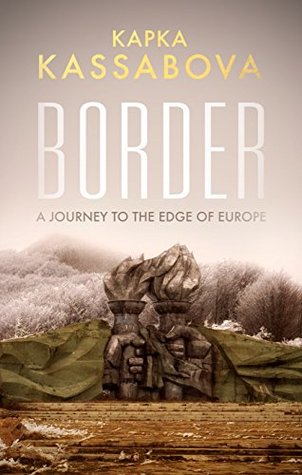
More on this book
Community


Kindle Notes & Highlights


Global movement and global barricading, new internationalism and old nationalisms – this is the systemic sickness at the heart of our world, and it has spread from one periphery to another, because nowhere is remote any more. Until you get lost in the forest, that is.
Some of the realms I crossed are beautiful enough to give you a heart attack, but only botanists and ornithologists visit there, smugglers and poachers, the heroic, and the lost. Then there are the locals.
History is written by the victors, they say, but it seems to me that history is written above all by those who weren’t there, which may be the same thing.
None of us can escape boundaries: between self and other, intention and action, dreaming and waking, living and dying. Perhaps the people of the border can tell us something about liminal spaces.
scientists tried to grow eucalyptus and rubber trees, tea and mandarins. True, this fertile land was already producing walnuts and almonds, figs and vines, but the point was to prove that Mature Socialism could control everything, from the course of history to the behaviour of micro-organisms.
By the 1970s, industrialisation had been a success, in the sense that many giant structures had been erected, including dams like the one that flooded the antique city of Seuthopolis, the largest Thracian site ever excavated. Fair enough: communism was in a rush, it had no time for bourgeois things like the past or the environment.
The reason there was no serious crime in the communist bloc was because serious crime, like everything else of note, was the exclusive right of the State.
