
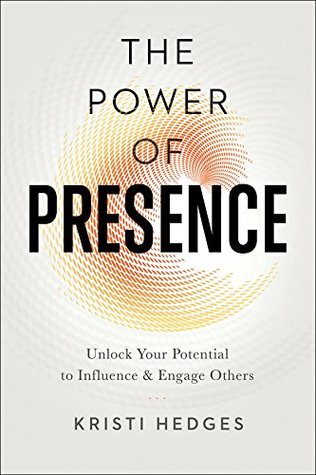
More on this book


Kindle Notes & Highlights

Read between
May 20 - July 12, 2020

Not only does this confidence create presence, but more important, presence can create confidence.
Executive presence begins in your head. It resides in how you think about yourself, your abilities, your environment, and your potential.
I define having an intentional presence as understanding how you want to be perceived and subsequently communicating in a manner so that you will be perceived the way you want. It means aligning your thoughts with your words and actions. And it requires a keen understanding of your true, authentic self, as well as your impact on others.
Taking the time to figure out what you want your presence to convey is a critical and powerful first step. That is the image of yourself you want to keep in mind as you do your own dive into the water. It’s your mental aim.
Knowing what our limiting thoughts are, and replacing them intentionally, is the only way to create a different possibility. Eventually, the possibility becomes the new and improved shortcut.
Actions can either underline or undermine our executive presence.
People who maintain optimistic thoughts gain resilience. When they have setbacks, they see the issue as temporary and specific, not permanent and pervasive.
Authentic presence is a delicate balancing act of understanding other people’s perspectives, communicating so that they can best hear you, and staying true to yourself.
Trust is foundational to presence. That’s because you need other people to feel comfortable enough about your motives and credibility to invest in you as a person.
It takes effort to listen well, but it feels amazing on the receiving end.
They see the same problems that everyone sees, but they also see solutions. When times are bad, their vision acts as a compass to help a team stick together and find a way to the other side.
