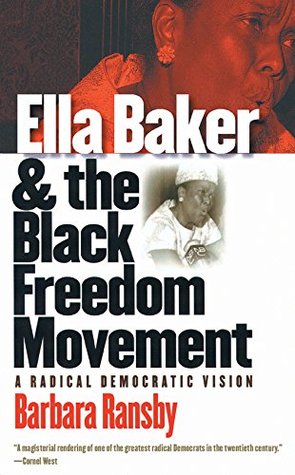
She was instrumental in SNCC'S rejection of bourgeois respectability as a defensive political strategy, a rejection that opened the organization up to historically marginalized sectors of the black community. When SNCC broke with the largely middle-class, male-centered leadership of existing civil rights organizations, it stripped away the class-based and gender-biased notions of who should and could give leadership to the movement and the black community.