
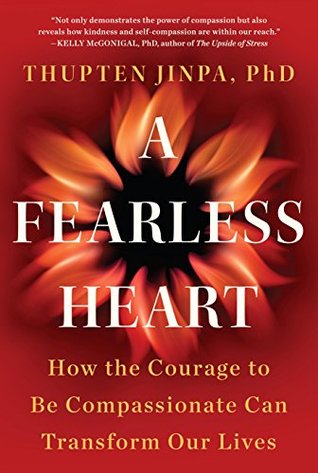
More on this book


Kindle Notes & Highlights

Read between
August 7 - August 31, 2020

einfühlungsvermögen,
if we change our perception of and attitudes toward someone, we can actually change the way we feel about him or her.
What all of these findings suggest is this: Our capacity for empathy, compassion, kindness, and altruistic behavior is inborn, rather than acquired through socialization or cultural exposure. Only later, through socialization, do we begin to differentiate between those who are worthy of our kindness and those who are not. So, to some extent, Rousseau was right when he spoke of society having a corrupting influence on an infant’s pure instinct for kindness. As the well-known pioneer in the field of contemplative science Richard Davidson has argued, if our natural capacity for compassion is akin
...more
Empathy is feeling for (or with) other people and understanding their feelings. When we witness another person suffering, in particular, compassion arises from empathy, adding the dimensions of wishing to see the relief of suffering and wanting to do something about it. Compassion is a more empowered state and more than an empathic response to the situation. Kindness is the expression of that compassion through helping, a basic form of altruism. Compassion is what makes it possible for our empathic reaction to manifest in kindness.
when the rays of kindness touch us we feel relaxed, acknowledged, and valued—in short, we feel affirmed.
in fact our health, happiness, and our whole world depend on our giving and receiving kindness.
