
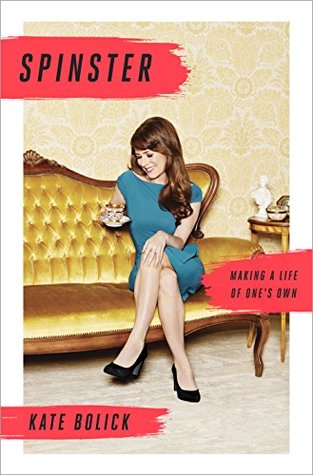
More on this book
Community


Kindle Notes & Highlights


You are born, you grow up, you become a wife. You delay your ambitions, you raise a family, you’re struck down by cancer at midlife, your husband moves on without a second thought—or so it seemed to us.
But even at its very best, when a woman was able to present herself with honesty and intelligence, her experience was inextricably bound to the people around her, as if her story didn’t exist apart from theirs. It was different for men; they knew how to present themselves as singular agents, even heroes.
Yet all through my comings and goings I’d been looked after, listened to, accompanied, coddled, whether by parents or boyfriends; essentially, I’d led the life of a child. It wasn’t merely that my identity was constructed entirely out of my relationships with other people—my relationships were my identity. My relationships took the place of myself.
And yet it had everything to do with gender. Because the question concealed an uncomfortable truth: as a woman, I wasn’t required to take care of myself—ever.
Freedom is unbearable. We opt again and again for the sugarcoated confinement of matrimony, a promise that life will work out just the way we want it—
Coupling, I realized, can encourage a fairly static way of being, with each partner exaggerating or repressing certain qualities in relation to the other’s.
When men complained that women were looking only for commitment or marriage, I now understood what it was like to be sitting across from someone who considered me interchangeable with anyone else willing to fulfill the job description.
