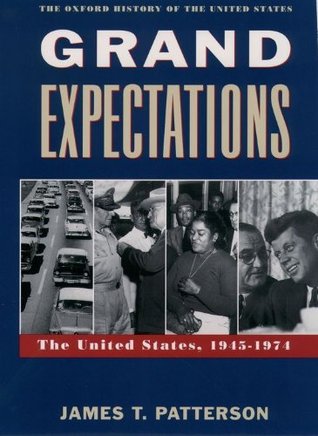
First, many people—from liberals like Myrdal to ethnics and blacks themselves—anticipated the possibilities of progress: World War II seemed a turning point in the nation's quest for greater ethnic acculturation and racial equality. Like the veterans who considered 1945 a chance—at last—for the Good Life, many Negroes and "new-stock" Americans of the era were decidedly hopeful, especially in contrast to the discouraging years of the immediate past. They were developing unusally high expectations. Still, and second, it is foolish to wax romantic about the rate of ethnic acculturation, or
...more