
Kindle Notes & Highlights


a vital principle that holds true not only at First Union National Bank but at First United Methodist Church: People do not leave organizations; people leave leaders.
sometimes sharing our stories isn’t easy because life isn’t easy. It’s often messy and full of hurt and anger and brokenness and sin. But as challenging as it may be to share our story with others, it’s equally as difficult to keep it trapped within.
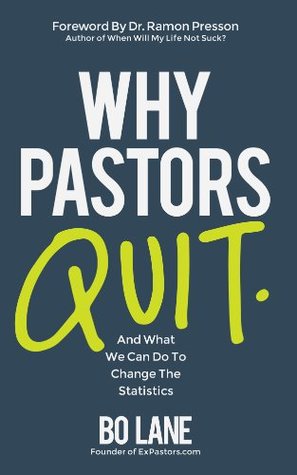
Seventy percent of pastors constantly fight depression and 50% of pastors feel so discouraged that they would leave the ministry if they could, but have no other way of making a living.
Eighty percent believe pastoral ministry has negatively affected their families. Equally, eighty percent of spouses feel the pastor is overworked and feel left out and under-appreciated by church members.
Seventy percent do not have someone they consider a close friend and 40% report serious conflict with a parishioner at least once a month.
Fifty percent of the ministers starting out will not last 5 years. One out of every 10 ministers will actually retire as a minister in some form. And 4,000 new churches begin each year while 7,000 churches close.
Appreciate an expastor’s need for healing.
80% of seminary graduates who enter ministry will leave the ministry within the first five years
23%, say they feel happy and content on a regular basis with who they are in Christ, in their church, and in their home.
There is no specific timeline or method to healing and restoration.
It’s essential not to force a healing process, especially on those who have gone through situations with the church that have left them beat up, angry, or bitter.
Instead, our focus should be on assisting individuals back into the body of Christ and helping them find their role within the structure of the local church.
Appreciate the expastor’s need for anonymity.
Appreciate an expastor’s need for accompaniment.
Pastors and leaders, myself included, often become so entrenched with our ministry identity that we associate ministry with identity. But ministry is not our identity.
identity is found not in ministry but in a solid relationship with Jesus Christ.
We cannot change our past but our past can help change our future. Accept your past. Learn from it. And then pursue your passion.
How can we change these statistics? What are denominations currently doing to support their pastors and the ones on their way out? Why aren’t these things talked about in seminaries? What can I do? How can we can pray for our pastors?
