
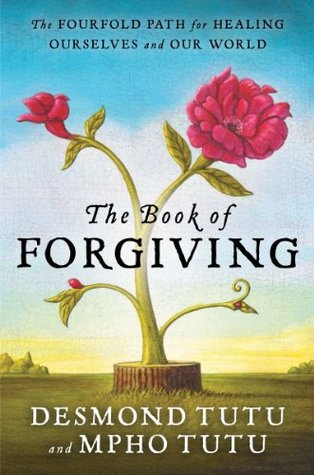
More on this book
Community


Kindle Notes & Highlights

To forgive is also to release yourself from whatever trauma and hardship you have experienced and reclaim your life as your own.
This is forgiveness as a grace, a free gift freely given. In this model, forgiveness frees the person who inflicted the harm from the weight of the victim’s whim—what the victim may demand in order to grant forgiveness—and the victim’s threat of vengeance. But it also frees the one who forgives.
Forgiving does not mean being spineless, nor does it mean one doesn’t get angry. I get angry, mostly when I see others being harmed or when I see the rights of others being trampled underfoot.
The method we offer is what we call the Fourfold Path. The first step on the path is Telling the Story; then comes Naming the Hurt, Granting Forgiveness, and finally, Renewing or Releasing the Relationship.
When we cannot admit our own woundedness, we cannot see the other as a wounded person who has harmed us out of his or her own ignorance, pain, or brokenness.
What is it you need to forgive? What happened to cause your pain? How have you been hurt? Whatever it may be, whatever has been broken or lost, can only be repaired and found again by telling the story of what happened.
Telling the story is how we get our dignity back after we have been harmed.
Telling the facts of your story is the most important element of this first step, and it is how you begin to take back what was taken from you.
When we tell the truth about our hurt and our loss, we lessen the power it has over us.
www.theforgivenessproject.com www.forgivenessfoundation.org www.projectforgive.com

Look these up
When we name our hurts, we have moved out of the stage of denial. We cannot honestly name our feelings and be in denial at the same time.
