
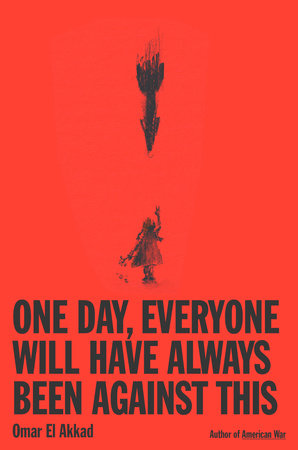
More on this book
Community


Kindle Notes & Highlights

Read between
November 27 - December 19, 2025

Rules, conventions, morals, reality itself: all exist so long as their existence is convenient to the preservation of power. Otherwise, they, like all else, are expendable.
One of the hallmarks of Western liberalism is an assumption, in hindsight, of virtuous resistance as the only polite expectation of people on the receiving end of colonialism. While the terrible thing is happening—while the land is still being stolen and the natives still being killed—any form of opposition is terroristic and must be crushed for the sake of civilization. But decades, centuries later, when enough of the land has been stolen and enough of the natives killed, it is safe enough to venerate resistance in hindsight.
Once far enough removed, everyone will be properly aghast that any of this was allowed to happen. But for now, it’s just so much safer to look away, to keep one’s head down, periodically checking on the balance of polite society to see if it is not too troublesome yet to state what to the conscience was never unclear.
What has happened, for all the future bloodshed it will prompt, will be remembered as the moment millions of people looked at the West, the rules-based order, the shell of modern liberalism and the capitalistic thing it serves, and said: I want nothing to do with this. Here, then, is an account of an ending.
It is a reminder that the Democratic Party’s relationship with progressivism so often ends at the lawn sign: Proclaim support for this minority group or that.
It is a reminder that, in times like these, one remarkable difference between the modern Western conservative and their liberal counterpart is that the former will gleefully sign their name on the side of the bomb while the latter will just sheepishly initial it.
The moral component of history, the most necessary component, is simply a single question, asked over and over again: When it mattered, who sided with justice and who sided with power? What makes moments such as this one so dangerous, so clarifying, is that one way or another everyone is forced to answer.
What is the ethical legitimacy of any system in which one has to hope the most privileged sliver of global society decides, in large enough numbers, that a sufficient number of children have been murdered to warrant choosing a different brand of couscous? That enough migrants have been caged or drowned to make a particular vacation spot unappealing? That the well-being of Congolese children outranks the desire for ever more powerful smartphones?
A political system that won’t restrict firearms even after a shooter massacres classrooms full of children, a system that shrugs when a regime murders and dismembers a journalist because that regime controls an inordinate amount of oil, a system that won’t flinch at the images of starving babies when it has the power to save their lives—what manner of resistance can’t such a system learn to abide? What use is any of it, what use?
