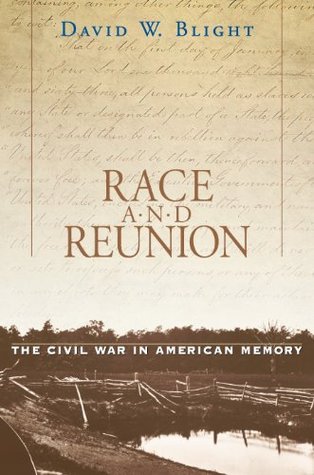
Later that evening at the First Congregational Church, Frederick Douglass spoke to a racially mixed audience and called them to vigilance in the cause of black liberty and citizenship. “As the war for the Union recedes into the past,” admonished Douglass, “and the negro is no longer needed to assault forts and stop rebel bullets, he is in some sense of less importance. Peace with the old master class has been war for the negro. As the one has risen the other has fallen.” The implications of the cultural turn toward reconciliation for blacks could hardly have been more starkly expressed.