
More on this book
Community


Kindle Notes & Highlights
Read between
December 19, 2018 - January 6, 2019

Kennedy had used his visit to tell his fellow Americans, in public statements, that Hitler would win the war against the British and that the conflict involved no moral issues. He was back now in London, conscious of British disapproval and a new instruction from the Foreign Office to all government departments warning them to confide nothing to the American Ambassador.

We are so used to the idea that the allies won World War II that we never consider that victory was not a foregone conclusion. In fact, it appeared that Hitler would triumph with his blitzkriegs, disciplined troops, and war machine.
“The Führer is not just a lunatic,” Stephenson had said. “He’s an evil genius. The weapons in his armory are like nothing in history. His propaganda is sophisticated. His control of the people is technologically clever. He has torn up the military textbooks and written his own. His strategy is to spread terror, fear, and mutual suspicion.
Three days after Hitler formally decided to “eliminate England,” the real England found its voice. Churchill informed the War Cabinet of the creation of a body “to coordinate all action by way of subversion and sabotage against the enemy.” The body was described for the record as Special Operations Executive, otherwise known as the Baker Street Irregulars. The identity of British Security Coordination was not disclosed until the United States came into the war; its headquarters in New York was never officially acknowledged.
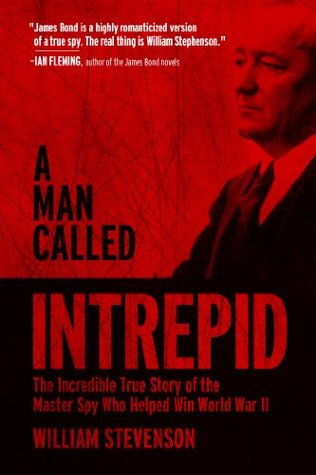
I had never heard of the BSC before reading this book, but it was a unique organization created to deal with a difficult environment. The US was not yet in the War. As Britain’s war efforts appeared to fail and FDR increasingly feared facing the Nazi war machine without allies, he assigned William Donovan to liaise with Britain’s William Stephenson in a sub rosa atrempt to influence the course of the war.
