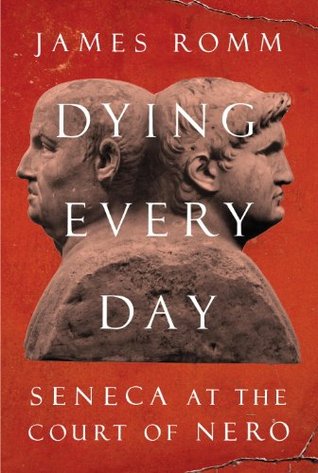
The problem that the principate presented to Stoic men of morals was indeed insoluble. The Stoic creed, with its emphasis on service to the common good, required involvement in political life, unless the regime was hopelessly evil or the Stoic’s own life was in danger. But what if the Stoic’s life was more endangered by leaving politics than by staying? And what if, by his departure, he made an evil regime more evil? The let-out clauses posed perils of their own. And the question of when to invoke them—at what point a regime’s malady became incurable, or one’s own risks rose unacceptably—was a
...more