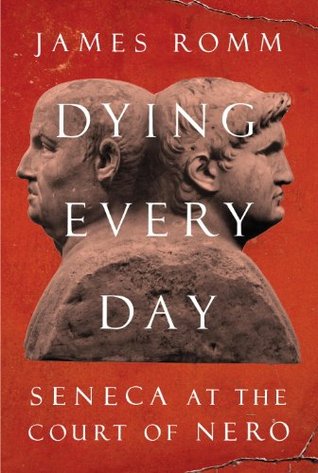
In 55 or (more likely) 56, Seneca attained the highest constitutional office in the Roman state, that of consul. The post carried less power than his unofficial role as amicus principis, friend of the princeps, but it was a towering achievement nonetheless. Seneca’s elder brother Gallio, returned to Rome from his proconsular post in Greece, attained the same honor at about the same time. The two boys from Corduba, provincials born into the equestrian class, sons of a crusty rhetorician who had never made it to the Senate, had come far indeed—a mark of what the emperor’s favor might bring, in
...more