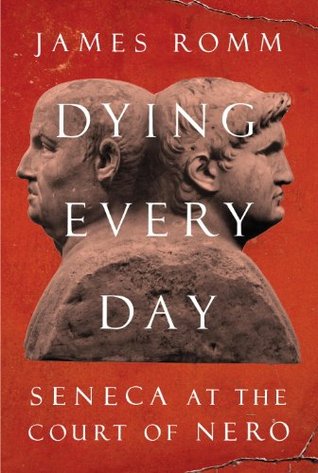
What could have prompted a committed Stoic, a man who thought happiness came from Nature and Reason, to also pursue wealth and rule? Seneca never referred this question to himself, but he pondered it in a mythic parallel, in his greatest verse tragedy, Thyestes. Seneca almost certainly composed this play during his time at Nero’s court, or afterward in retirement. It is the most self-referential of his dramas, so much so that one doubts it could have been published in his lifetime. Here Seneca used the conflict between two royal brothers—Atreus, a bloody autocrat possessed by spirits of Hell,
...more