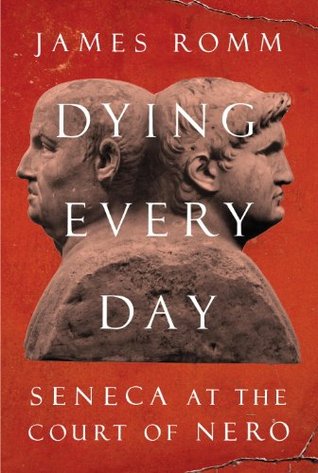
Imago is a multilayered word. Like its English derivative image, it can mean simply “shape” or “form.” But it can also mean “illusion,” “phantom,” or “false seeming,” something “imagined.” Tacitus, a superb ironist and verbal artist, chose this word with care. Seneca, too, as Tacitus was aware, was a consummate ironist—an author who had painted his self-portrait in half a million words yet had never, in all his treatises, plays, and epistles, addressed the truths of his life in power. He had created an imago of himself since the day he began writing. He was shaping it still in his last hours,
...more