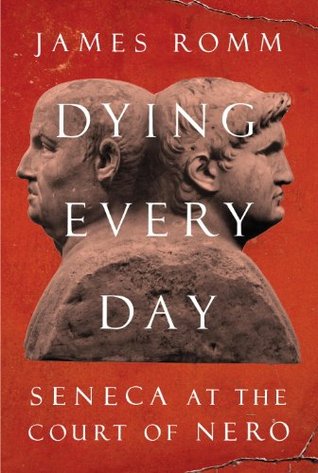
The most complex life of the Neronian age had ended fittingly, with the most complex death. Seneca’s protracted, three-stage suicide had not gone at all according to plan, a plan he had contemplated for years. Yet it was his own distinctive construction, composed without interference from the soldiers. In the end, he must have been pleased with the autonomy and single-mindedness of his exit. It was the one thing he owned that Nero couldn’t touch. His body was cremated and the ashes interred without rites or ceremony, as he had requested in his will.