
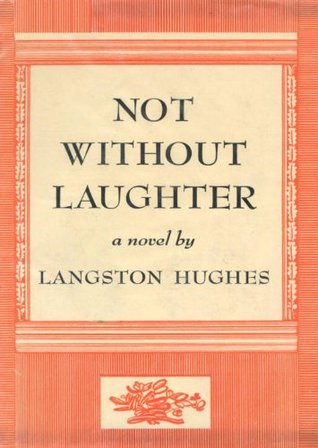
More on this book
Community


Kindle Notes & Highlights


Sometimes they would run with the basket for no reason at all, then stumble and spill the clothes out on the sidewalk—Mrs. Reinhart’s summer dresses, and drawers, and Mr. Reinhart’s extra-large B. V. D.’s lying generously exposed to the public. Sometimes, if occasion offered, the youngsters would stop to exchange uncouth epithets with strange little white boys who called them “niggers.”
To those who lived on the other side of the railroad and never realized the utter stupidity of the word “sin,” the Bottoms was vile and wicked. But to the girls who lived there, and the boys who pimped and fought and sold licker there, “sin” was a silly word that did not enter their heads. They had never looked at life through the spectacles of the Sunday-School. The glasses good people wore wouldn’t have fitted their eyes, for they hung no curtain of words between themselves and reality. To them, things were—what they were. “Ma bed is hard, but I’m layin’ in it jest de same!” sang the
...more
The services seemed interminable. Then came the long drive to the cemetery in horse-drawn hacks, with a few automobiles in line behind. In at the wide gates and through a vast expanse of tombstones the procession passed, across the graveyard, towards the far, lonesome corner where most of the Negroes rested. There Sandy saw the open grave. Then he saw the casket going down … down … down, into the earth. The boy stood quietly between his Aunt Tempy and his Aunt Harriett at the edge of the grave while Tempy stared straight ahead into the drizzling rain, and Harriett cried, streaking the powder
...more
No matter how belligerent or lewd their talk was, or how sordid the tales they told—of dangerous pleasures and strange perversities—these black men laughed. That must be the reason, thought Sandy, why poverty-stricken old Negroes like Uncle Dan Givens lived so long—because to them, no matter how hard life might be, it was not without laughter.
Maybe it’s best not to care, and stay poor and meek waiting for heaven like Aunt Hager did.… But I don’t want heaven! I want to live first!” Sandy thought. “I want to live!”
But was that why Negroes were poor, because they were dancers, jazzers, clowns?… The other way round would be better: dancers because of their poverty; singers because they suffered; laughing all the time because they must forget.… It’s more like that, thought Sandy.
