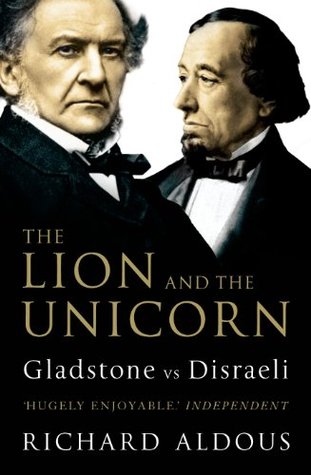
Thirty years later, William Gladstone would set down a memorandum on the Second Reform Bill that grudgingly recognised his own failings and the triumph of Disraeli. ‘The governing idea of the man who directed the party seemed to be not so much to consider what ought to be proposed and carried as to make sure that whatever it was it should be proposed and carried by those in power,’ he recorded. ‘The bill on which the House of Commons eventually proceeded was a measure I should suppose without precedent or parallel, as on the other hand it was for the purpose of the hour, and as a government in
...more