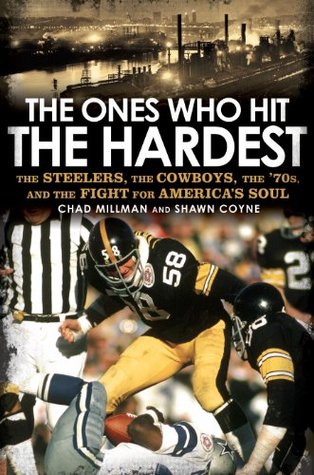
But it worked because of our corners. They had to be able to jam the receiver, read the play, and then funnel the receivers all within seconds. And if it was a run, they had to support, because they were bigger than the safeties.” In much the same way Noll counteracted league trends by preferring smaller, quicker offensive linemen, he went after bigger physical corners, like Mel Blount, whom he drafted in the third round out of Southern University in 1970. He was just playing the rules in the book.