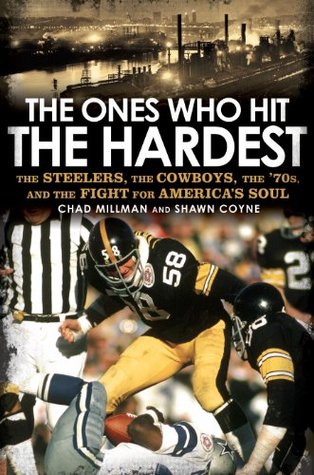
But striking, in Pittsburgh, while playing football for the Steelers, was complicated. It was a union town, but one whose steelworkers were losing jobs every day. And those people, largely fans of the Steelers, didn’t empathize with the striking players. “They wanted to know why we weren’t being loyal and going to play a game,” says Rocky Bleier. “It wasn’t like we were working eight hours a day and spending forty years in the mill. That’s how fans felt—they didn’t equate sports with work.”