
More on this book
Community


Kindle Notes & Highlights

Read between
January 6 - March 15, 2024

I am less likely to deny my suffering when I learn how God uses it to mold me and draw me closer to him. I will be less likely to see my pains as interruptions to my plans and more able to see them as the means for God to make me ready to receive him. I let Christ live near my hurts and distractions.
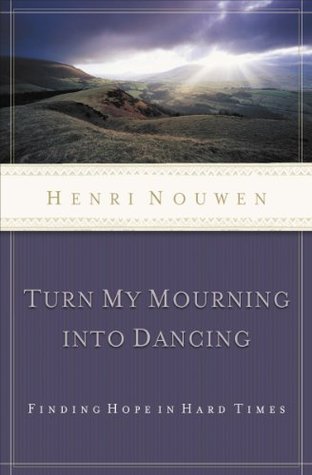
For in our suffering, not apart from it, Jesus enters our sadness, takes us by the hand, pulls us gently up to stand, and invites us to dance. We find the way to pray, as the psalmist did, “You have turned my mourning into dancing” (Ps. 30:11), because at the center of our grief we find the grace of God.
When our gratitude for the past is only partial, our hope for the future can likewise never be full.
I am gradually learning that the call to gratitude asks us to say, “Everything is grace.” As long as we remain resentful about things we wish had not happened, about relationships that we wish had turned out differently, mistakes we wish we had not made, part of our heart remains isolated, unable to bear fruit in the new life ahead of us. It is a way we hold part of ourselves apart from God.
Hope is not dependent on peace in the land, justice in the world, and success in the business. Hope is willing to leave unanswered questions unanswered and unknown futures unknown. Hope makes you see God’s guiding hand not only in the gentle and pleasant moments but also in the shadows of disappointment and darkness.
When people can cease having to be for us everything, we can accept the fact they may still have a gift for us. They are partial reflections of the great love of God, but reflections nevertheless. We see that gift precisely and only once we give up requiring that person to be everything, to be God. We see him or her as a limited expression of an unlimited love.
