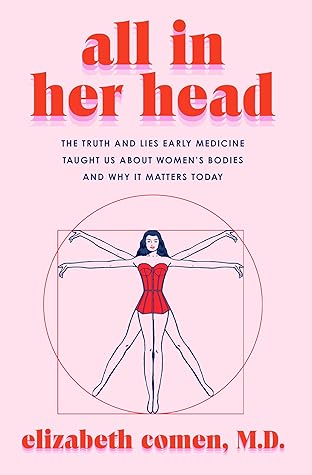
Neurological disorders are nebulous, and express themselves differently in each patient. “You have to kind of go by the patient’s subjective experience of what it feels like to be in their body,” she says. But when it comes to who has their subjective experience listened to, a discrepancy emerges: “In my thirty years of practice, I’ll just tell you, it’s women a lot more than men who end up in my office with an incorrect diagnosis of anxiety alone.”