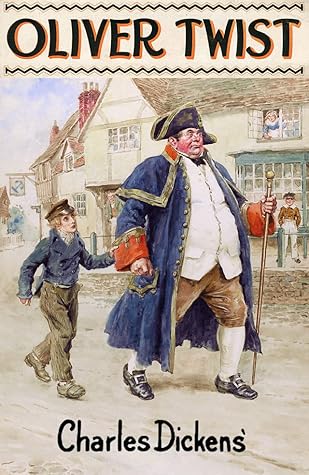
The members of this board were very sage, deep, philosophical men; and when they came to turn their attention to the workhouse, they found out at once, what ordinary folks would never have discovered—the poor people liked it! It was a regular place of public entertainment for the poorer classes; a tavern where there was nothing to pay; a public breakfast, dinner, tea, and supper all the year round; a brick and mortar elysium, where it was all play and no work. ‘Oho!’ said the board, looking very knowing; ‘we are the fellows to set this to rights; we’ll stop it all, in no time.’ So, they
...more
This highlight has been truncated due to consecutive passage length restrictions.

Poor Law
- Rising unemployment, trade depression, harsh winters, high prices
- Utilitarian principles - morally right action is the one that produces the greatest good or happiness for the greatest number of people
- Workhouses - a last resort - gives relief and money
- Each Parish elects a Board of Guardians to oversee the workhouses
- No provision for children - baby farms
- Dickens played down the abuse and poverty to not deter readers - has to soften it so the whole book isn’t depressing - fine line
Life in the Workhouse
- sexes separated wards
- divorce hard to acquire - men had their families taken off them
- Workhouse life was very oppressive - paupers often denied a place - poor relief was only supplied within the workhouse
- Children received schooling
- In return for care the paupers had to work for hours
- Prisons for the poor - very abusive, forced labour & corporal punishment
- Disaster - wide-spread criticism