
Kindle Notes & Highlights

Read between
January 3 - January 10, 2021

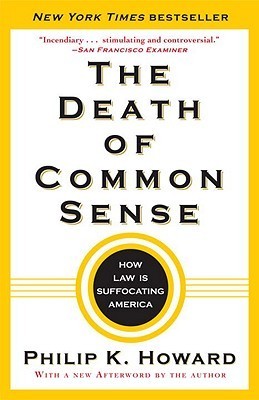
We seem to have achieved the worst of both worlds: a system of regulation that goes too far while it also does too little. This paradox is explained by the absence of the one indispensable ingredient of any successful human endeavor: use of judgment.
Human activity can’t be regulated without judgment by humans.
Context is vital in law, as it is in life.
The words of law will tell us exactly what to do. Judgment is foreclosed not simply by the language of the words. It is also foreclosed by the belief that judgment has no place in the application of law.
The most important standard is what a reasonable person would have done.
The drive for certainty has destroyed, not enhanced, law’s ability to act as a guide.
The quest for protection through certainty results in arbitrary power.
When the law loses its connection to common sense, no internal compass can guide people as to right and wrong.
The more precise we try to make law, the more loopholes are created.
evolution. Letting accidents happen, mistakes be made, results in new ideas. Trial and error is the key to all progress.
How things are done has become far more important than what is done.
government doesn’t barge into our homes and frame us. Constitutional due process is notoriously inefficient. That, indeed, is its purpose.
By imposing conditions on coercion, due process ensures our individual freedom.
Process rewards those who know its power.
Responsibility, not process, is the key ingredient to action.
sharing responsibility widely, like sharing property widely, is like having no responsibility at all.
Responsibility is what matters. Process is only one of many tools to get there.
