A “weird tale,” as defined by H.P. Lovecraft in his nonfiction writings and given early sanctuary within the pages of magazines like Weird Tales (est. 1923) is a story that has a supernatural element but does not fall into the category of traditional ghost story or Gothic tale, both popular in the 1800s. As Lovecraft wrote in 1927, the weird tale “has something more than secret murder, bloody bones, or a sheeted form clanking chains.” Instead, it represents the pursuit of some indefinable and perhaps maddeningly unreachable understanding of the world beyond the mundane — a ‘certain atmosphere A “weird tale,” as defined by H.P. Lovecraft in his nonfiction writings and given early sanctuary within the pages of magazines like Weird Tales (est. 1923) is a story that has a supernatural element but does not fall into the category of traditional ghost story or Gothic tale, both popular in the 1800s. As Lovecraft wrote in 1927, the weird tale “has something more than secret murder, bloody bones, or a sheeted form clanking chains.” Instead, it represents the pursuit of some indefinable and perhaps maddeningly unreachable understanding of the world beyond the mundane — a ‘certain atmosphere of breathless and unexplainable dread” or “malign and particular suspension or defeat of…fixed laws of Nature” — through fiction that comes from the more unsettling, shadowy side of the fantastical tradition.
Weird fiction - since its rise to prominence in the 1890s - has long been the generic depository for literature that seamlessly fits the definitions of several genres of speculative fiction. If it wasn't exactly horror or fantasy, quite possibly it could be termed weird. In fact, a basic definition of weird fiction could truthfully be a story that combines elements of fantasy and horror. A broader definition would be a story that includes and merges any number of plot devices, elements, sensibilities, and tropes of horror, science fiction, fantasy, the ghost story, supernatural fiction, mythology, mystery, or Gothic fiction. Literature that includes standards from more than one of these traditions might be considered weird.
Michael Kelly, editor of Weird Horror magazine, agrees that to properly define and categorize the term "weird fiction" could be a difficult task. He writes: ”[…] it can often be unclassifiable and hard to precisely define. […] In my view weird fiction is speculative, and often (but not always) works to explore and subvert the laws of nature, or the natural order. I like to think of it as an unceasing distortion and buckling of ambient space and time; where plot, theme, atmosphere and voice coalesce. Hence, the lens from which you view the world is askew and occluded. A feeling. A mood. A sense of dislocation. Weird fiction is a large umbrella, encompassing many modes of fiction. Before genre rules were established, weird fiction could be said to consist of the science fictional, the ghostly supernatural, the mythical, the cosmic, and the fantastic. An extensive mode of literature. In that regard it shares many properties with its Horror brethren. It’s why weird fiction is, I’d say, most commonly associated with horror fiction. [...] Weird fiction, perhaps more than any other mode, is fluid, adaptable, and ever-changing. I certainly take an expansive view of it, not constrained to the American-based strand (terror and awe) or the European-based (strange tale).”
This view finds further resonance in noted writer Simon Strantzas’ statement: “Instead, these sorts of stories exist in a liminal world of rationalities where things are not quite right. Slightly askew, their axes tilted, they are stories where the everyday is corrupted just enough that the strange can leak through.” ...more
“
For thin is the veil betwixt man and the godless deep. The skies are haunted by that which it were madness to know; and strange abominations pass evermore between earth and moon and athwart the galaxies. Unnameable things have come to us in alien horror and will come again. And the evil of the stars is not as the evil of earth.
”
―
Clark Ashton Smith,
The Beast Of Averoigne
A group space where anyone within Tauranga and the wider Western Bay of Plenty (actually anywher…more
[close]
A group space where anyone within Tauranga and the wider Western Bay of Plenty (actually anywhere in NZ!) can find like-minded readers to share, explore, and enjoy the worlds of fantasy, sci-fi, and weird lit.
It would be awesome to organise a monthly meet up with snacks to discuss what we've read, currently reading and our TBR list.
Any level of reader welcome.
A bookclub for weird books and strange minds.
I mostly made this club for myself, but anyone wi…more
[close]
A bookclub for weird books and strange minds.
I mostly made this club for myself, but anyone with an interest in strange, obscure, the transgressive, experimental and disturbing literature is more than welcome to join.



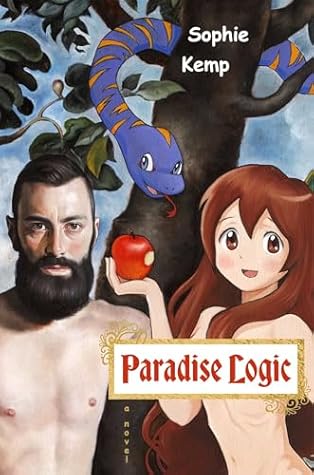

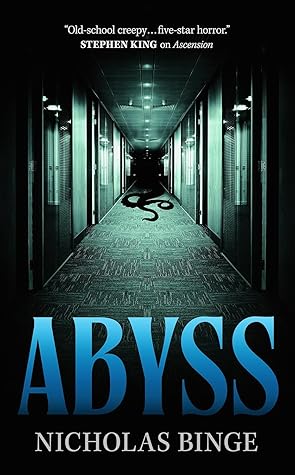


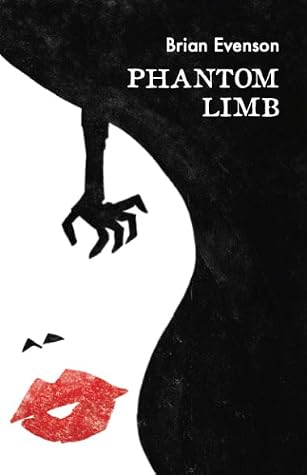
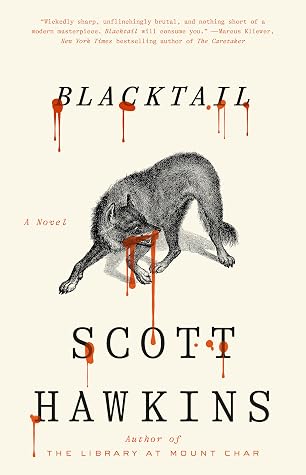
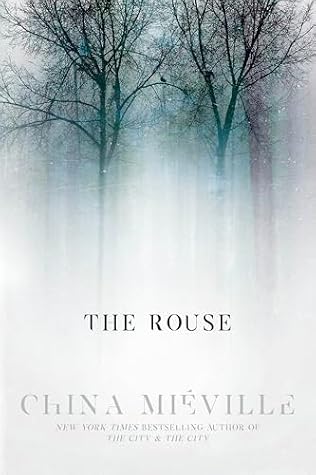
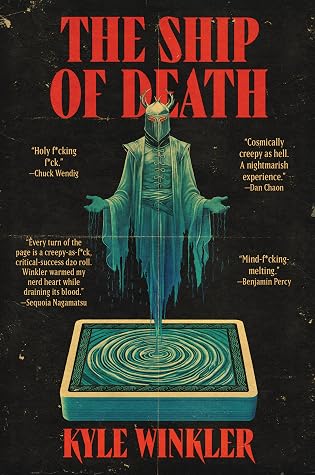


 A place to discuss the books of Eraserhead Press, publisher of bizarro fiction and weird horror.
 A book club for people who enjoy reading Lovecraft, Ligotti, and other weird or misanthropic lit…more
 A group space where anyone within Tauranga and the wider Western Bay of Plenty (actually anywher…more
 A bookclub for weird books and strange minds.
I mostly made this club for myself, but anyone wi…more