Urban Studies


Born in Flames: The Business of Arson and the Remaking of the American City
Paved Paradise: How Parking Explains the World
Everything Now: Lessons from the City-State of Los Angeles
A Natural History of Empty Lots: Field Notes from Urban Edgelands, Back Alleys, and Other Wild Places
Homelessness Is a Housing Problem: How Structural Factors Explain U.S. Patterns
Indelible City: Dispossession and Defiance in Hong Kong
Shade: The Promise of a Forgotten Natural Resource
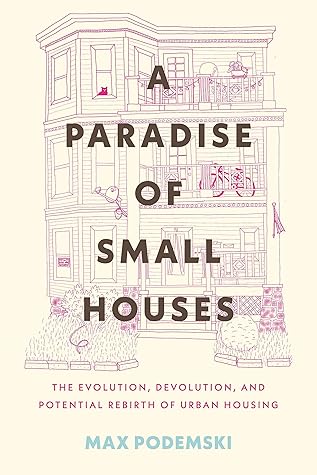
A Paradise of Small Houses: The Evolution, Devolution, and Potential Rebirth of Urban Housing
Killed by a Traffic Engineer: Shattering the Delusion that Science Underlies Our Transportation System
Arbitrary Lines: How Zoning Broke the American City and How to Fix It
Stuck: How the Privileged and the Propertied Broke the Engine of American Opportunity
Our Crumbling Foundation: How We Solve Canada's Housing Crisis
City Limits: Infrastructure, Inequality, and the Future of America's Highways
Disillusioned: Five Families and the Unraveling of America's Suburbs
Inclusive Transportation: A Manifesto for Repairing Divided Communities
The Death and Life of Great American Cities
Walkable City: How Downtown Can Save America, One Step at a Time
Rebel Cities: From the Right to the City to the Urban Revolution
The Power Broker: Robert Moses and the Fall of New York
City of Quartz: Excavating the Future in Los Angeles (Vintage)
The Color of Law: A Forgotten History of How Our Government Segregated America
Triumph of the City: How Our Greatest Invention Makes Us Richer, Smarter, Greener, Healthier and Happier
Evicted: Poverty and Profit in the American City
The Image of the City
How to Kill a City: Gentrification, Inequality, and the Fight for the Neighborhood
Happy City: Transforming Our Lives Through Urban Design
Planet of Slums
The City in History: Its Origins, Its Transformations, and Its Prospects
The Geography of Nowhere: The Rise and Decline of America's Man-Made Landscape
Cities for People

Related Genres

John Rennie Short
Three requirements are needed to achieve a compassionate city: a realization of the seriousness of the problems that people face; an appreciation that these are not self-inflicted; and the ability to imagine ourselves in the lives of others. The problems of rising inequality are serious. And while cultures of poverty do occur, they are responses to poverty, not the cause. It is the third requirement that prompts an imaginative creativity, a moral economy not just a market economy and a more expa ...more
John Rennie Short

In the urban environment literacy is almost as much a necessity as speech itself.
Robert Ezra Park, The City: Suggestions for Investigation of Human Behavior in the Urban Environment

More quotes...