New Left

The New Left was a political movement in the 1960s and 1970s consisting of educators, agitators and others who sought to implement a broad range of reforms on issues such as gay rights, abortion, gender roles, and drugs, in contrast to earlier leftist or Marxist movements.

The Society of the Spectacle
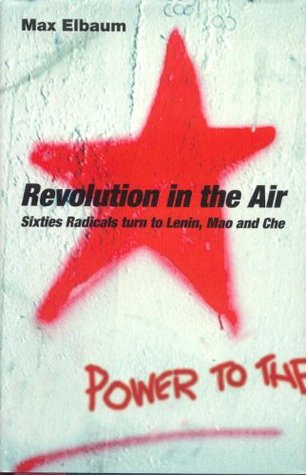
Revolution in the Air: Sixties Radicals Turn to Lenin, Mao and Che
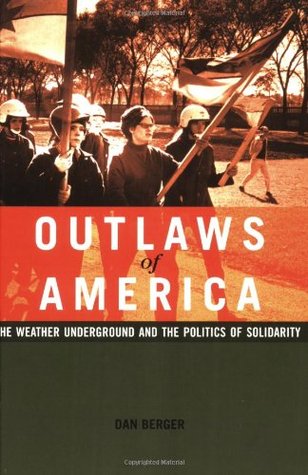
Outlaws of America: The Weather Underground and the Politics of Solidarity
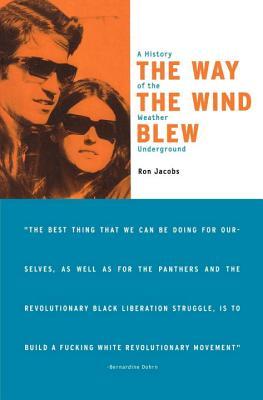
The Way the Wind Blew: A History of the Weather Underground (Haymarket Series)
Detroit: I Do Mind Dying: A Study in Urban Revolution
Body and Soul: The Black Panther Party and the Fight Against Medical Discrimination
Assata: An Autobiography
The Young Lords: A Radical History
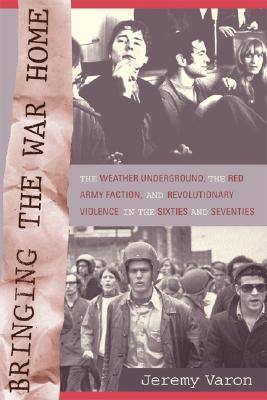
Bringing the War Home: The Weather Underground, the Red Army Faction, and Revolutionary Violence in the Sixties and Seventies
Heavy Radicals - The FBI's Secret War on America's Maoists: The Revolutionary Union / Revolutionary Communist Party 1968-1980
Black Against Empire: The History and Politics of the Black Panther Party
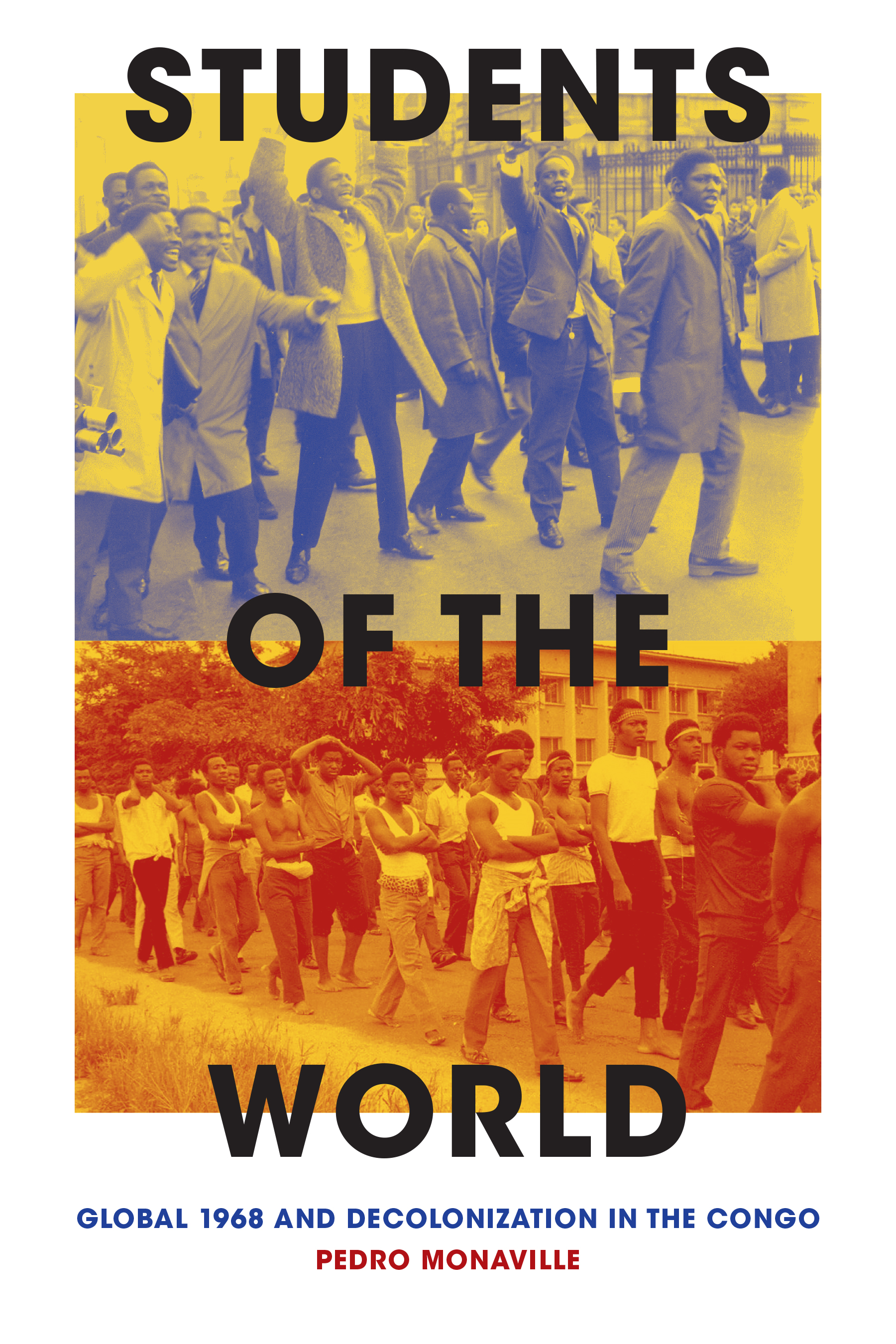
Students of the World: Global 1968 and Decolonization in the Congo (Theory in Forms)
Black Skin, White Masks
Days of Rage: America's Radical Underground, the FBI, and the Forgotten Age of Revolutionary Violence
Coed Revolution: The Female Student in the Japanese New Left (Asia-Pacific: Culture, Politics, and Society)
The most direct critique [in the TV series The Prisoner] of what might be called the politics-industry of late capitalism, however, is undoubtedly [the episode] “Free for All”, both the funeral dirge for the national mass party and the unofficial founding charter of the New Left. In many ways, “Free for All” is the logical complement to the visual innovations and luminous mediatic strategies of “A., B. & C.”; whereas the latter identifies the space of the editing room as a new kind of cultural z ...more
Dennis Redmond, The World is Watching: Video as Multinational Aesthetics, 1968-1995

The political version of this was the seemingly clearcut choice before the New Left, to either transform the Establishment from within (the Long March through the institutions envisioned by the Prague Spring reformers and Western social democrats alike), or else to instigate an actual revolution in the streets. History teaches us that both options were illusory; national social democracy could temporarily flourish in the hothouse export-platform economies of Central Europe, but a resurgent neoli ...more
Dennis Redmond, The World is Watching: Video as Multinational Aesthetics, 1968-1995

More quotes...