Geology

Geology is the science comprising the study of solid Earth, the rocks of which it is composed, and the processes by which they change. Geology can also refer generally to the study of the solid features of any celestial body (such as the geology of the Moon or Mars).

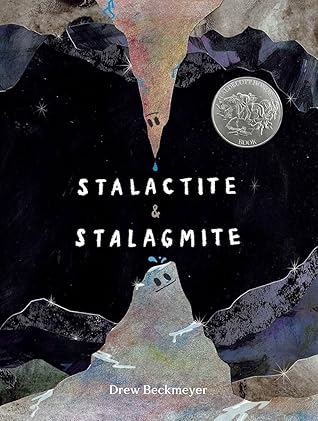
Stalactite & Stalagmite: A Big Tale from a Little Cave (Caldecott Honor)
A Brief History of Earth: Four Billion Years in Eight Chapters
Strata: Stories from Deep Time
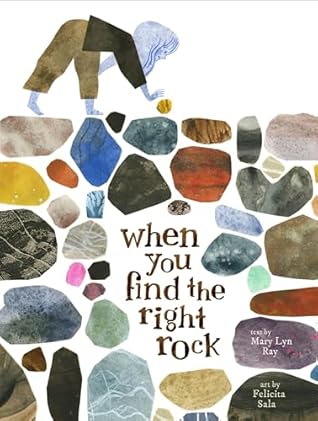
When You Find the Right Rock
The War Below: Lithium, Copper, and the Global Battle to Power Our Lives
Otherlands: A Journey Through Earth's Extinct Worlds
The Blue Machine: How the Ocean Works
A (Very) Short History of Life on Earth: 4.6 Billion Years in 12 Pithy Chapters
Scratching the Surface
Ends of the Earth: Journeys to the Polar Regions in Search of Life, the Cosmos, and Our Future
Power Metal: The Race for the Resources That Will Shape the Future
Becoming Earth: How Our Planet Came to Life
A Stone Is a Story
The Age of Dinosaurs: The Rise and Fall of the World’s Most Remarkable Animals
The High Sierra: A Love Story
The Map That Changed the World: William Smith and the Birth of Modern Geology
Annals of the Former World
Krakatoa: The Day the World Exploded: August 27, 1883
Basin and Range (Annals of the Former World, 1)
Earth: An Intimate History (Vintage)
The Story of Earth: The First 4.5 Billion Years, from Stardust to Living Planet
A Short History of Nearly Everything
A Crack in the Edge of the World
The Ends of the World
Timefulness: How Thinking Like a Geologist Can Help Save the World
Rising from the Plains (Annals of the Former World, 3)
Assembling California (Annals of the Former World, 4)
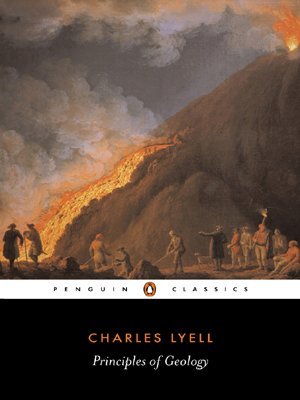
Principles of Geology
A Brief History of Earth: Four Billion Years in Eight Chapters
Reading the Rocks: The Autobiography of the Earth

Considering chickens alone, their fossils may be a marker for the Anthropocene. The body size and body shape of today’s “broiler chickens” are distinct from that of wild fowl of their early twentieth-century cousins. Their worldwide distribution and massive population size will probably ensure that they will be well represented in the future fossil record. Future geologists might use a “chicken signal” to indicate that the strata they are examining are close to the start of the Anthropocene.
John Dvorak, How the Mountains Grew: A New Geological History of North America

Neal Ascherson
At the end of most streets of Edinburgh's Old Town rises the crimson wall of Salisbury Craigs, a lesson in the unimaginable forces and lapses of time which have gone to shape the world. The Craigs are a basalt intrusion, a fossil tide of volcanic rock which surged through the foundations of a dead volcano some 200 million years ago. Geology and paleontology, with their revelations of deep time and alien life-forms, towered up wherever 19th century Scots turned their eyes. the 'testimony of the r ...more
Neal Ascherson, Stone Voices: The Search for Scotland

More quotes...
Human Origins—Explorations and Discussions in Anthropology, Biology, Archaeology, and Geology An informal on-line “bulletin-board” resource for readers interested in staying abreast of the c…more
675 members, last active one year ago
The Exploration of Nature The whole of nature, of the cosmos is nothing short of miraculous. I draw inspiration and joy fr…more
136 members, last active 4 years ago
Lunar and Planetary Institute Library The LPI Library collection contains more than 60,000 cataloged books, documents, maps and globes…more
5 members, last active 13 years ago
Geocorps Mini Rice geo book club. Book suggestions and wish list!
3 members, last active 8 years ago