Epidemiology

The word epidemiology comes from the Greek words epi, meaning on or upon, demos, meaning people, and logos, meaning the study of. In other words, the word epidemiology has its roots in the study of what befalls a population.

Epidemiology, a branch of Public Health, is the study of how often diseases occur in different groups of people and why. Epidemiological information is used to plan and evaluate strategies to prevent illness and as a guide to the management of patients in whom disease has already developed.

The Ghost Map: The Story of London's Most Terrifying Epidemic—and How It Changed Science, Cities, and the Modern World
The Hot Zone: The Terrifying True Story of the Origins of the Ebola Virus
The Great Influenza: The Story of the Deadliest Pandemic in History
Spillover: Animal Infections and the Next Human Pandemic
The Coming Plague: Newly Emerging Diseases in a World Out of Balance
The Demon in the Freezer
Pandemic: Tracking Contagions, from Cholera to Ebola and Beyond
And the Band Played On: Politics, People, and the AIDS Epidemic
Rabid: A Cultural History of the World's Most Diabolical Virus
Flu: The Story Of the Great Influenza Pandemic of 1918 and the Search for the Virus That Caused It
Get Well Soon: History's Worst Plagues and the Heroes Who Fought Them
Beating Back the Devil: On the Front Lines with the Disease Detectives of the Epidemic Intelligence Service
The American Plague: The Untold Story of Yellow Fever, the Epidemic that Shaped Our History
Pale Rider: The Spanish Flu of 1918 and How It Changed the World
Deadliest Enemy: Our War Against Killer Germs
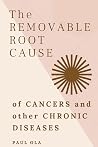
The Removable Root Cause of Cancers and other Chronic Diseases  by Paul OlaThe Immortal Life of Henrietta Lacks by Rebecca SklootThe New Jim Crow by Michelle AlexanderThe Radium Girls by Kate  MooreSpillover by David Quammen
Public Health Must Reads
39 books — 20 voters

The Ghost Map by Steven JohnsonThe Great Influenza by John M. BarryAnd the Band Played On by Randy ShiltsThe Coming Plague by Laurie GarrettGuns, Germs, and Steel by Jared Diamond
History of disease
163 books — 68 voters
The Ghost Map by Steven JohnsonThe Great Trouble by Deborah HopkinsonFilth by William A. CohenPandemic by Sonia ShahCholera by Amanda J. Thomas
Broad Street Cholera Epidemic
15 books — 6 voters

Christina Henry
How do you know?" Red repeated each word slowly, enunciating every consonant. "If the CDC brewed up something in their lab and it accidentally was let loose in the world, do you think they would tell you? ...more
Christina Henry, The Girl in Red

Ben Goldacre
Changing mainstream media will be hard, but you can help create parallel options. More academics should blog, post videos, post audio, post lectures, offer articles, and more. You’ll enjoy it: I’ve had threats and blackmail, abuse, smears and formal complaints with forged documentation. But it’s worth it, for one simple reason: pulling bad science apart is the best teaching gimmick I know for explaining how good science works.
Ben Goldacre, I Think You'll Find It's a Bit More Complicated Than That

More quotes...
Underground Knowledge — A discussion group This global discussion group has been designed to encourage debates about important and underrep…more
24,363 members, last active 3 hours ago
Book club is a fun, extracurricular EIP event that occurs outside of the work day. It is not req…more
1 member, last active 5 years ago
Epidemiology Reads Books for the amateur and professional on germs, disease, disease tracking, medicine, public hea…more
158 members, last active 11 years ago
Nurses nurding out on all things infection and healthcare. You don't need to be an IP (infection…more
2 members, last active one year ago