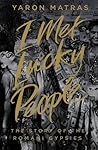
I Met Lucky People: The Story of the Romani Gypsies

Reader Q&A

To ask other readers questions about I Met Lucky People, please sign up.

Answered Questions (1)

East West Notes Hi Hannah,
It is brought up in the book frequently, specifically when describing the cultural differences between Romani people living in different cou…more
Hi Hannah,
It is brought up in the book frequently, specifically when describing the cultural differences between Romani people living in different countries. There's also quite a few discussions about it in the Romani Reddit community if you'd like to do a search there. Some are fine with it, while others don't care for it for the following reasons. One, it continues the fiction that the Romani people originally came from E'gypt' rather than India. Two, the majority of Romani people are settled today and face discrimination whether they are nomadic or live a certain lifestyle or not. Three, the word 'Gypsy' lumps together Romani people and Irish Travellers. This means that say, in the UK a Romani immigrant with Hungarian citizenship might find themselves shoved together on a British race form with Irish Travellers, despite having different genetics, language and history. Of course there are some people with both traveller and Romani heritage. There is similar debate over the name Cigan or Czigany, which is often translated as meaning 'Gypsy' but has its roots in meaning 'Untouchable.' To make things more complicated, many Romani people have this as a surname. Finally, the word 'Gypsy' has been overused by people who want to say they live a certain lifestyle or have certain hobbies (e.g. tarot cards) and that makes it difficult for actual Romani people to gain recognition as an ethnic group or worse yet, they're accused of being 'not a real Gypsy' or lying about their racial background when they don't present themselves as this fantasy version of what people expect them to be. This tension between whether being a 'Gypsy' is an ethnic group or a lifestyle plays an important part of the book's coverage of how the Nazis treated the Romani people and how they were unable to regain lost property, citizenship or even be identified as victims after WWII.(less)

Unanswered Questions

About Goodreads Q&A

Ask and answer questions about books!

You can pose questions to the Goodreads community with Reader Q&A, or ask your favorite author a question with Ask the Author.

See Featured Authors Answering Questions

Learn more