
Unconventional Viewpoints…
Hey,
I am never afraid to admit when I am wrong, or when I am maybe behaving like a dinosaur and so I just want to spend a few minutes this morning mulling over the whole issue of unconventional viewpoints.
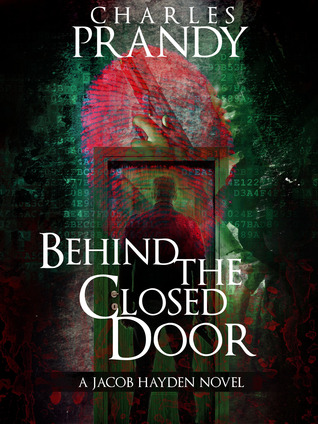
Anyone who reads the reviews on this blog on a regular basis will know that I have been relatively critical of a couple of books over the past few weeks in which the authors have alternated between first person and third person (See my reviews on Dogs with Bagels and Behind the Closed Door) I may have continued down this road of purist ignorance had it not been for a manuscript that I am currently assessing on behalf of a client who has adopted a similar technique incredibly skillfully (writing in first person from two different people’s point of view) and I thought enough is enough and I decided to do some digging…
It would seem that these somewhat unconventional Viewpoint Variants (If an author is clearly separating each character by a different chapter) has become something of the norm and is widely regarded as being acceptable. Two different first person accounts also works well if an author is wanting to say tell the story from the viewpoint of both murderer and victim.
There are however dangers in using multiple viewpoints and they really should only be used if the story warrants it, NOT because it is the most convenient thing to do. If done clumsily then it can cause immense confusion to the reader and instead of removing barriers as intended it can sometimes increase them (If the switches are frequent and the reader is left with the feeling of having only just got into the head of one character only to be forcibly wrenched into the head of another)
So, I guess what I am saying is that for me at least the jury is out. It is crazy given how I personally write in such an unorthodox style that I should be so anal about viewpoint! SO from now on, I will go into each story with varying viewpoints with an open mind and judge them on a case by case basis in future rather than having a hissy fit because I consider it to be a taboo!



 newest »


The only example I can even think of offhand is Iain Banks in 'Complicity', who switched from conventional (I think)1st person for the 'main' narrative to 2nd person for the 'criminal' chapters, which worked really well considering the title of the piece. I'm sure there will be other examples. Thanks for the food for thought.