Peter Behrens's Blog, page 199
July 21, 2020
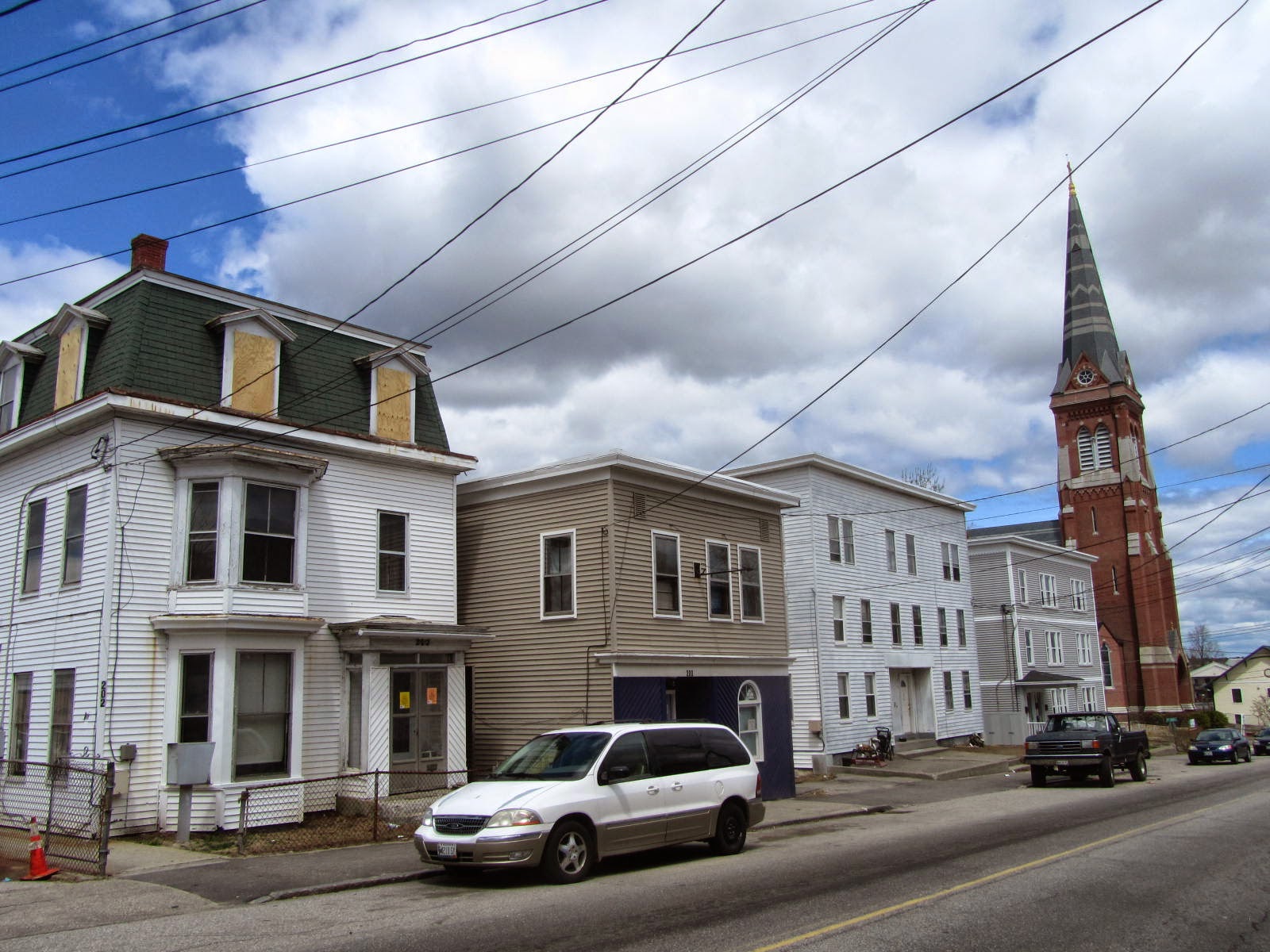
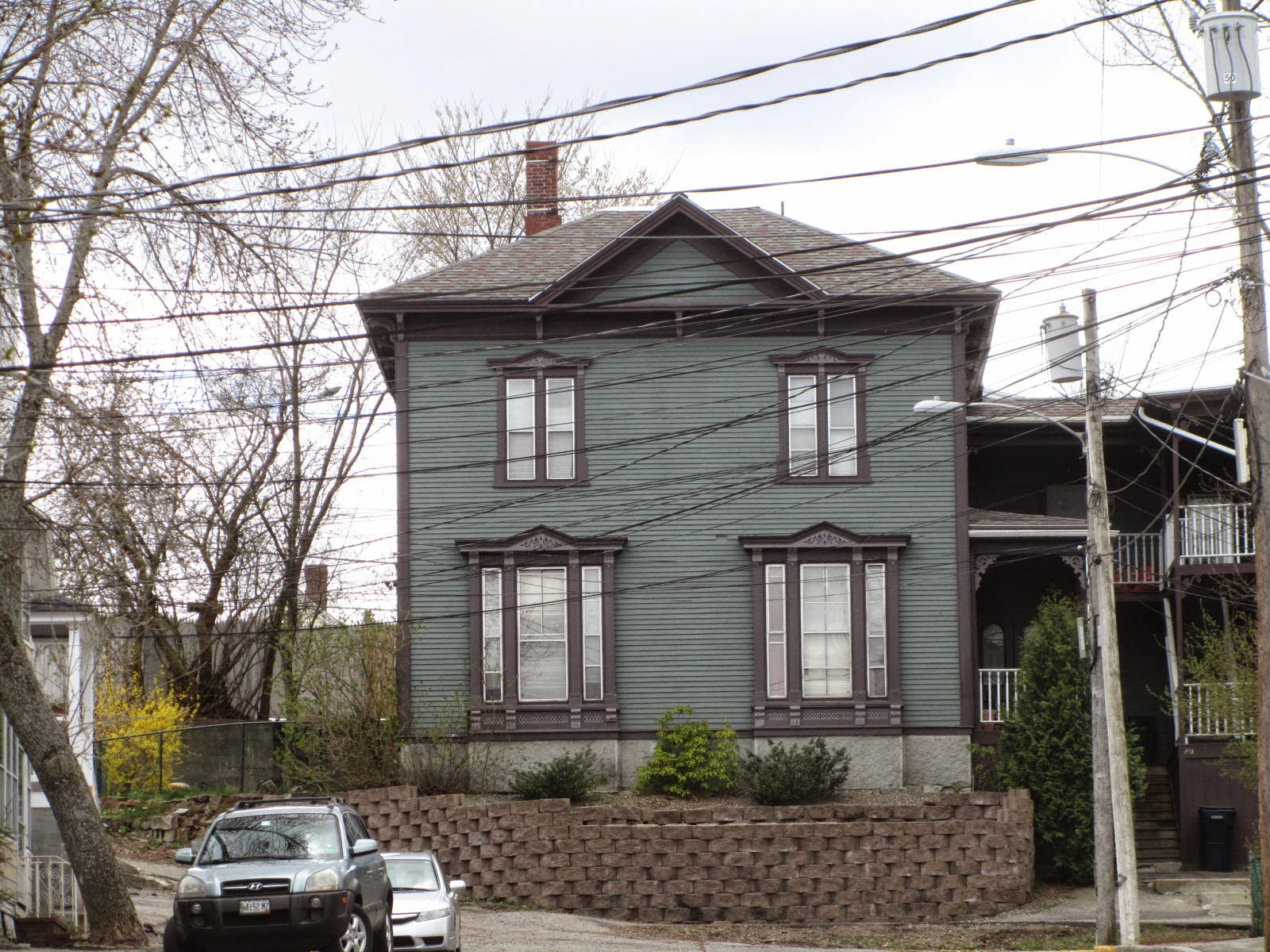
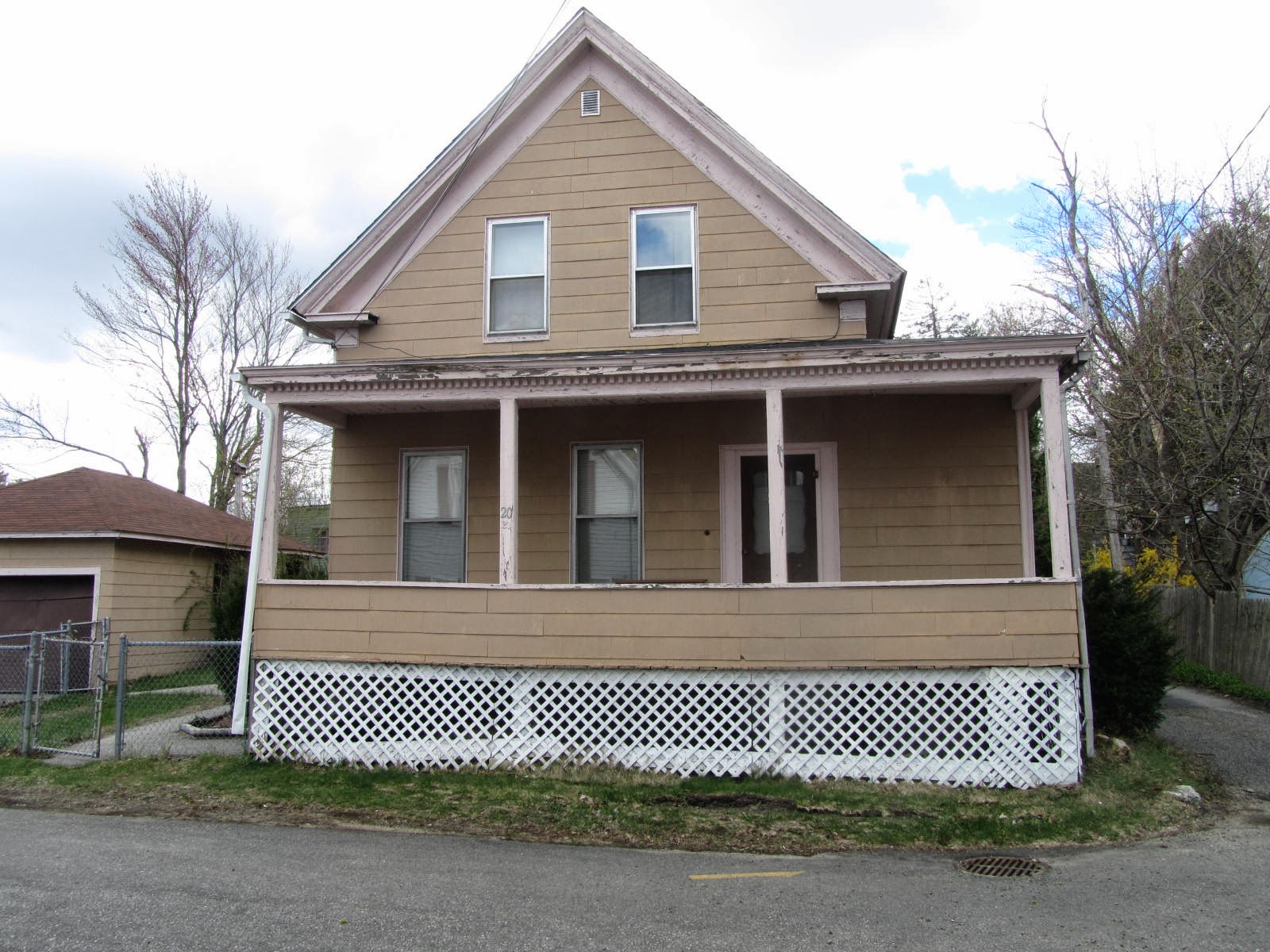
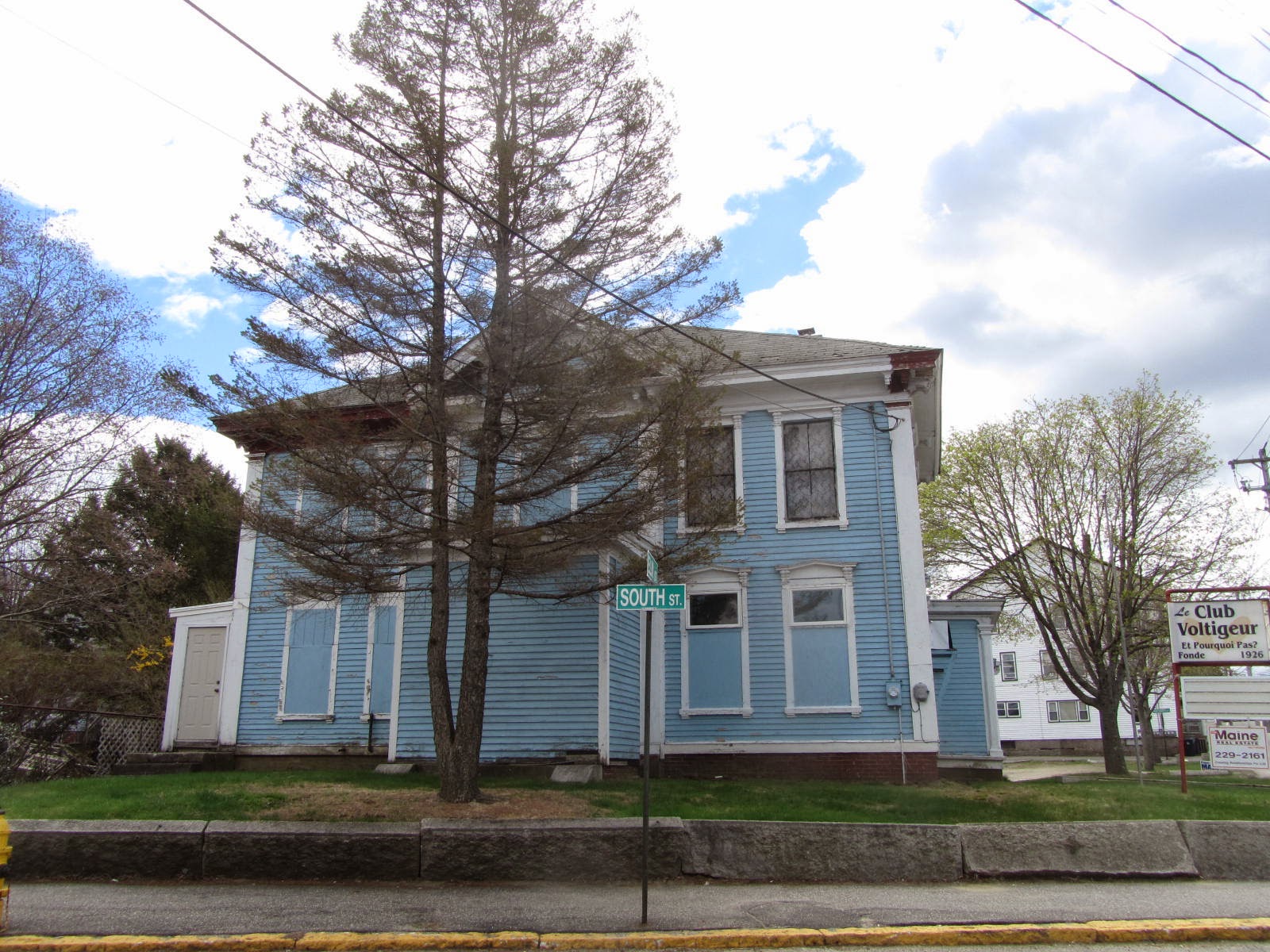
(Textile town, part 3) Houses, Not Mills: Saco, Maine
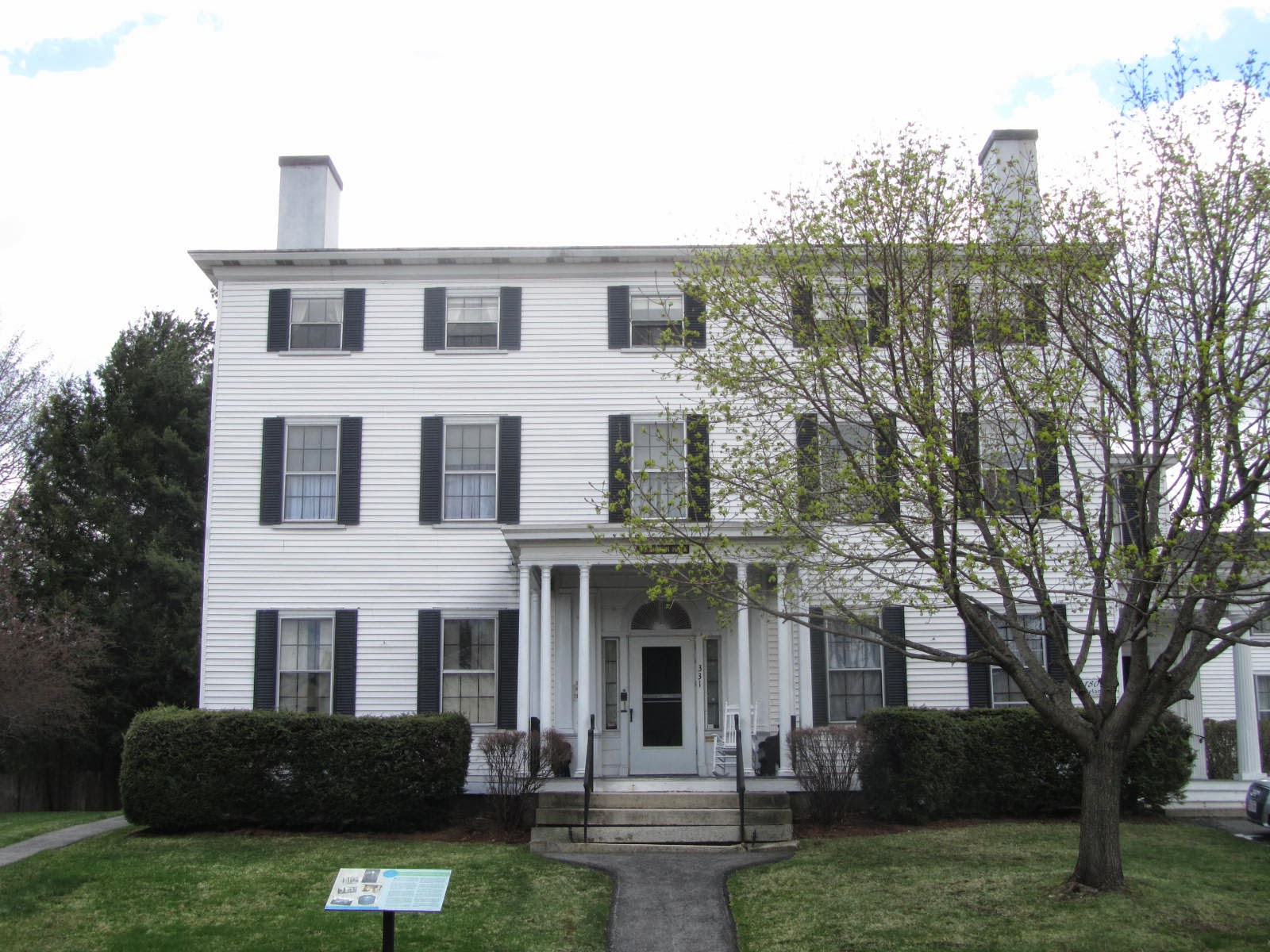
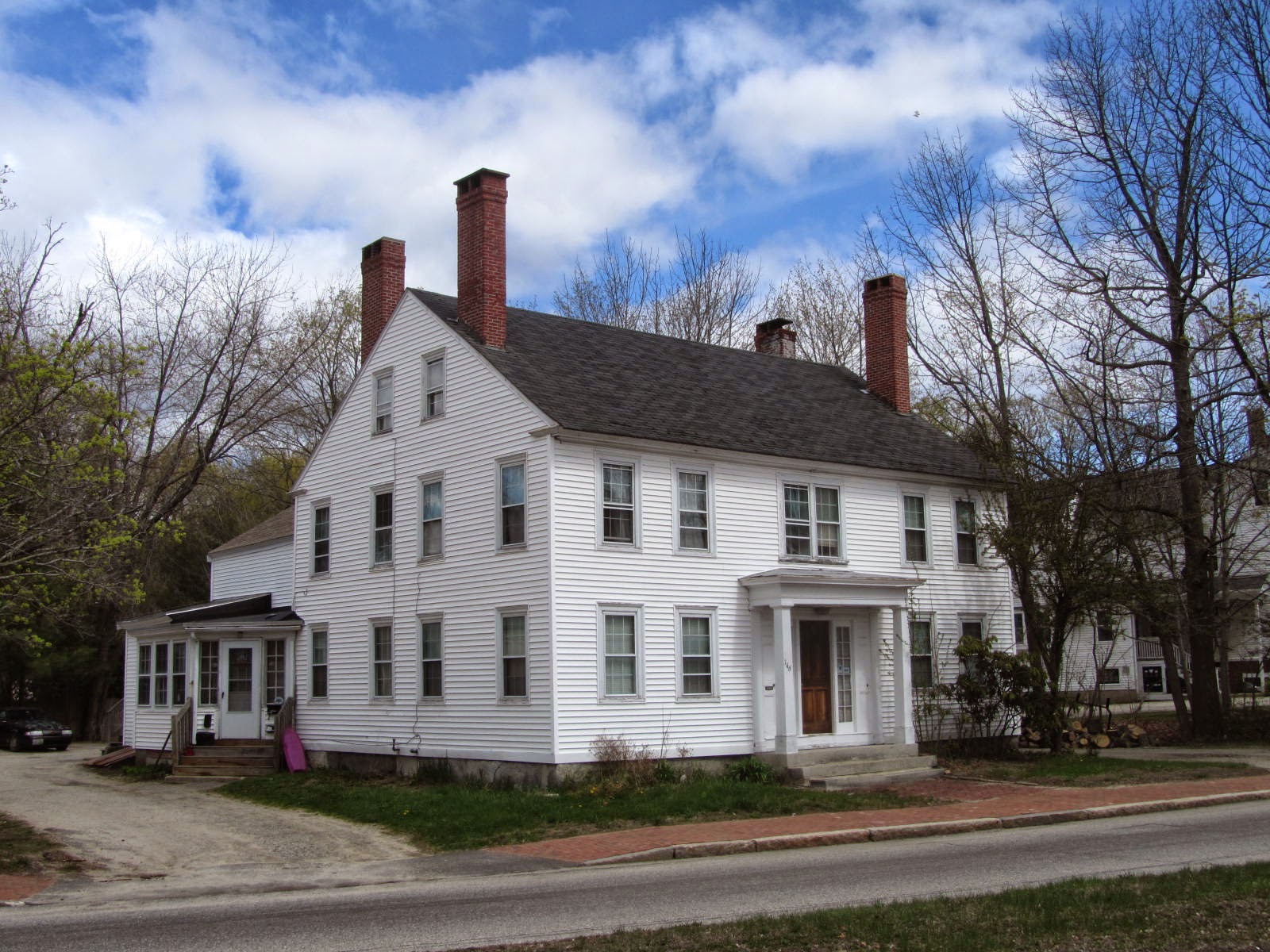
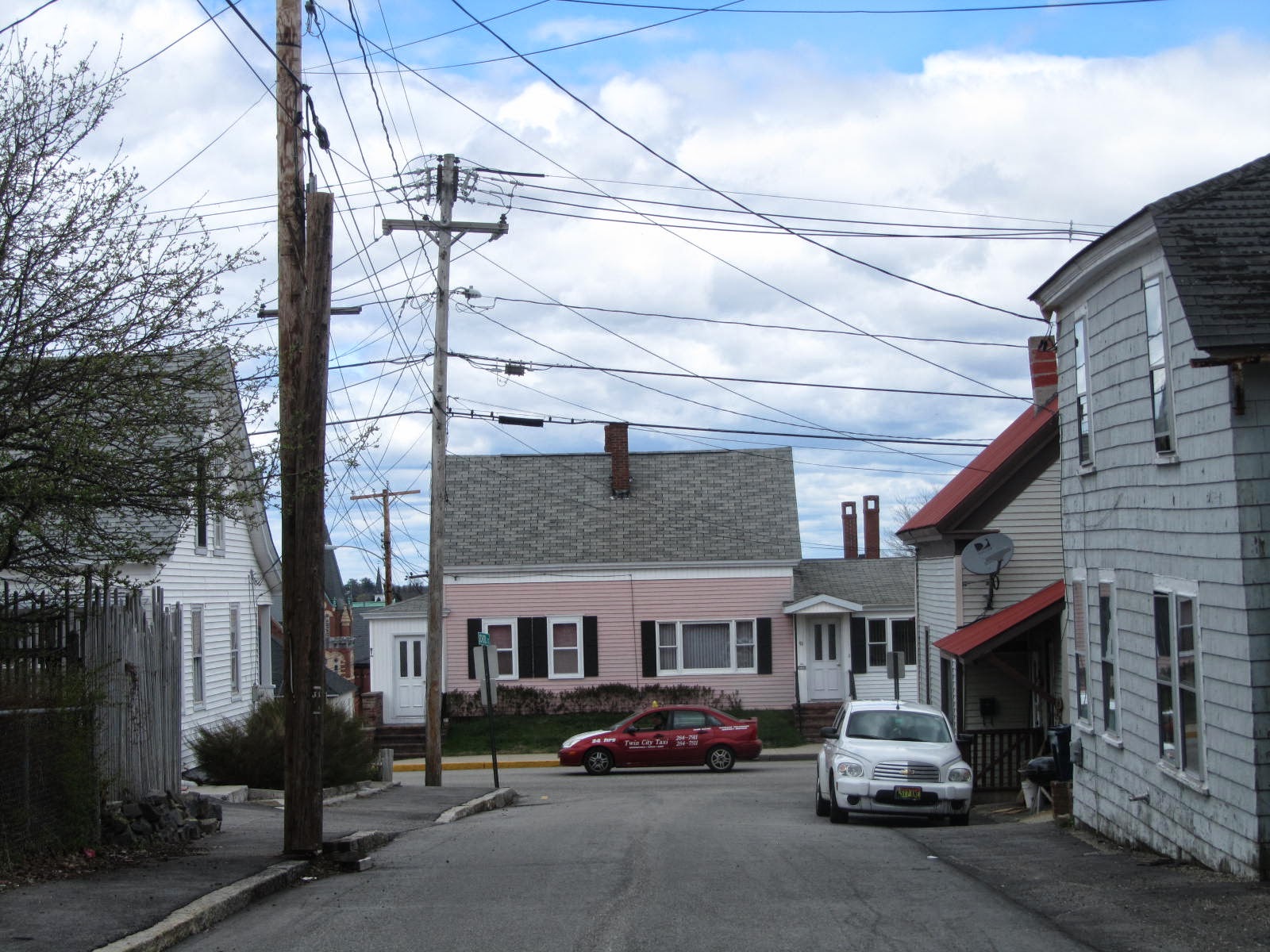
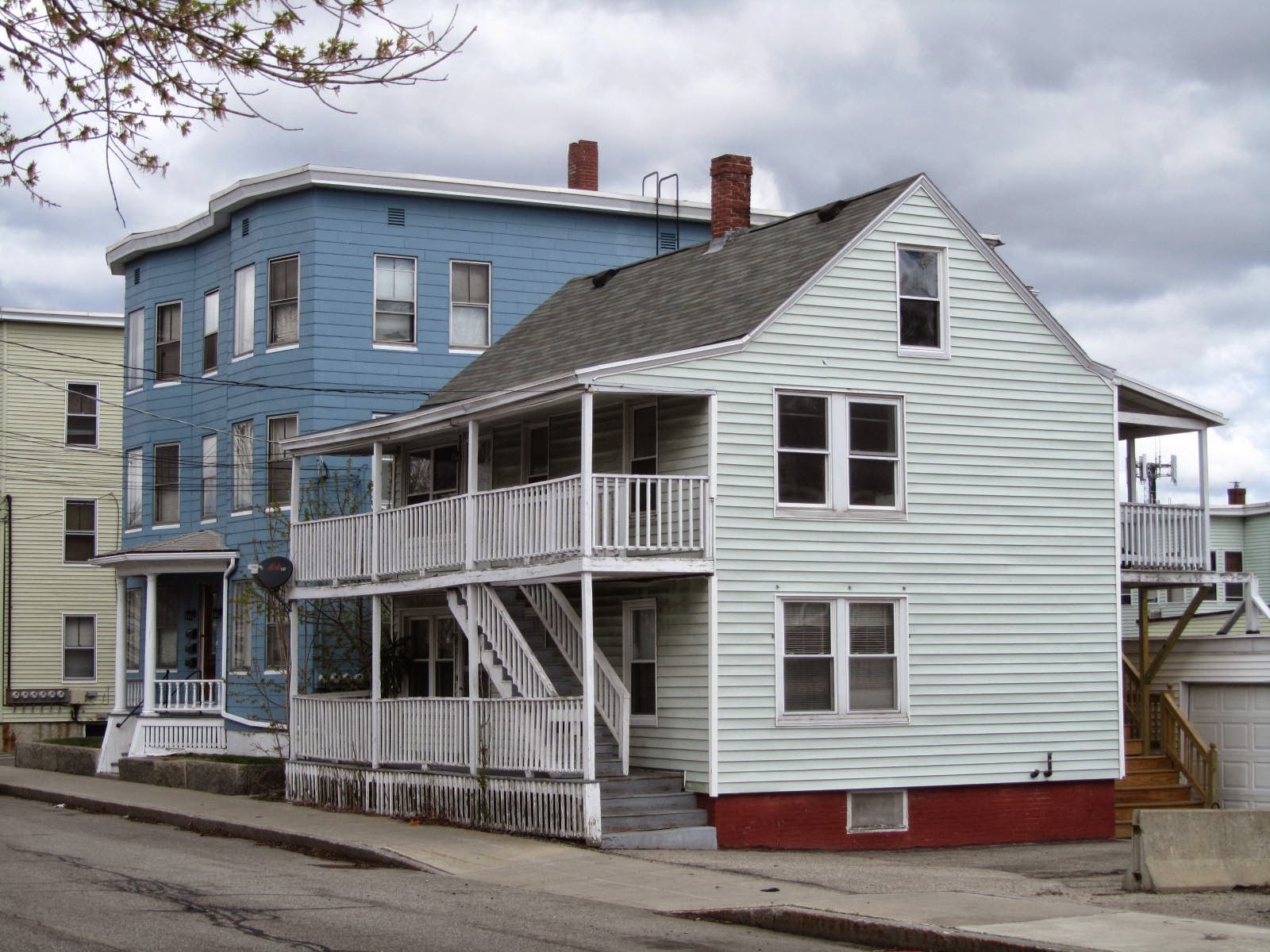
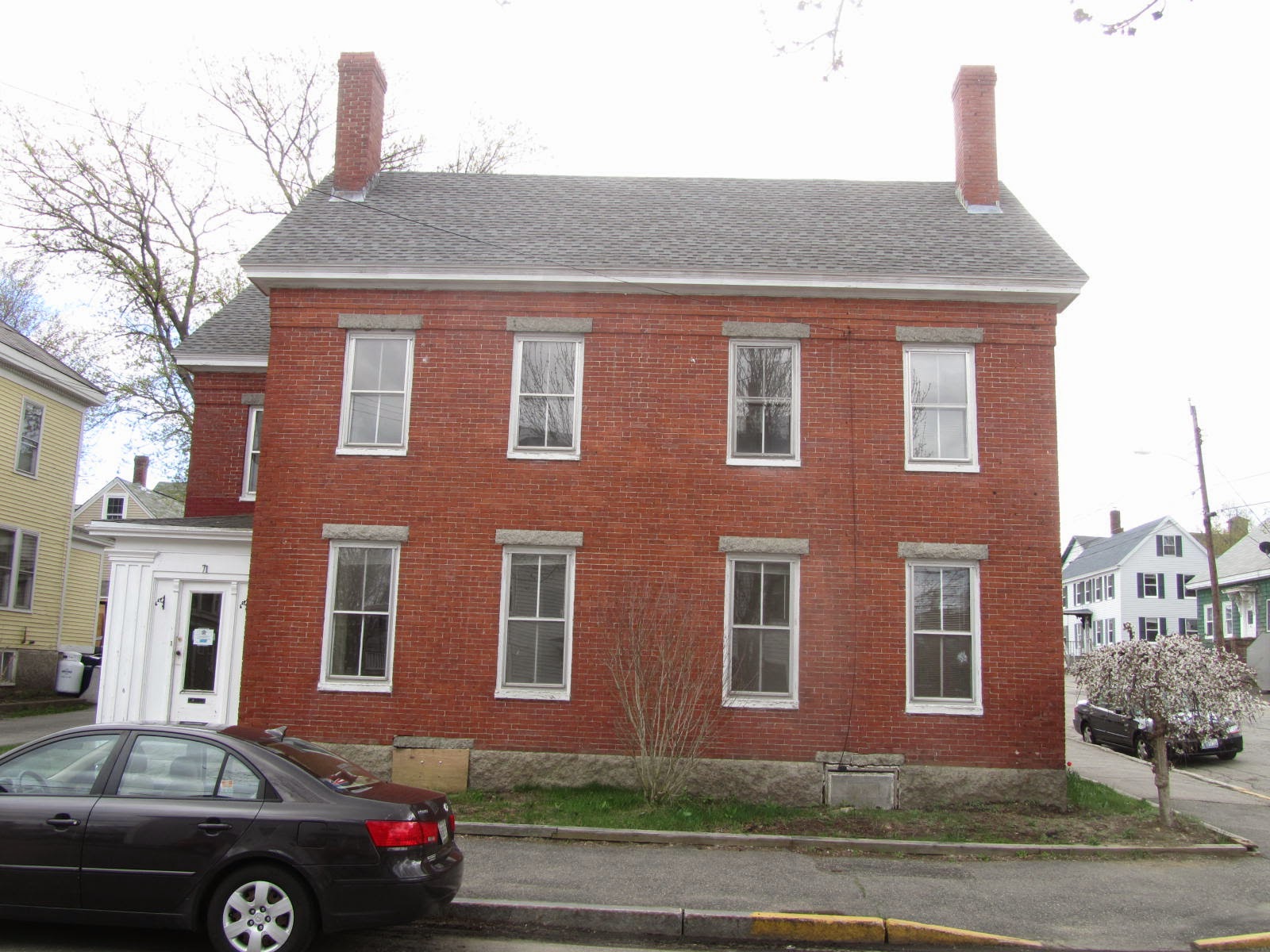
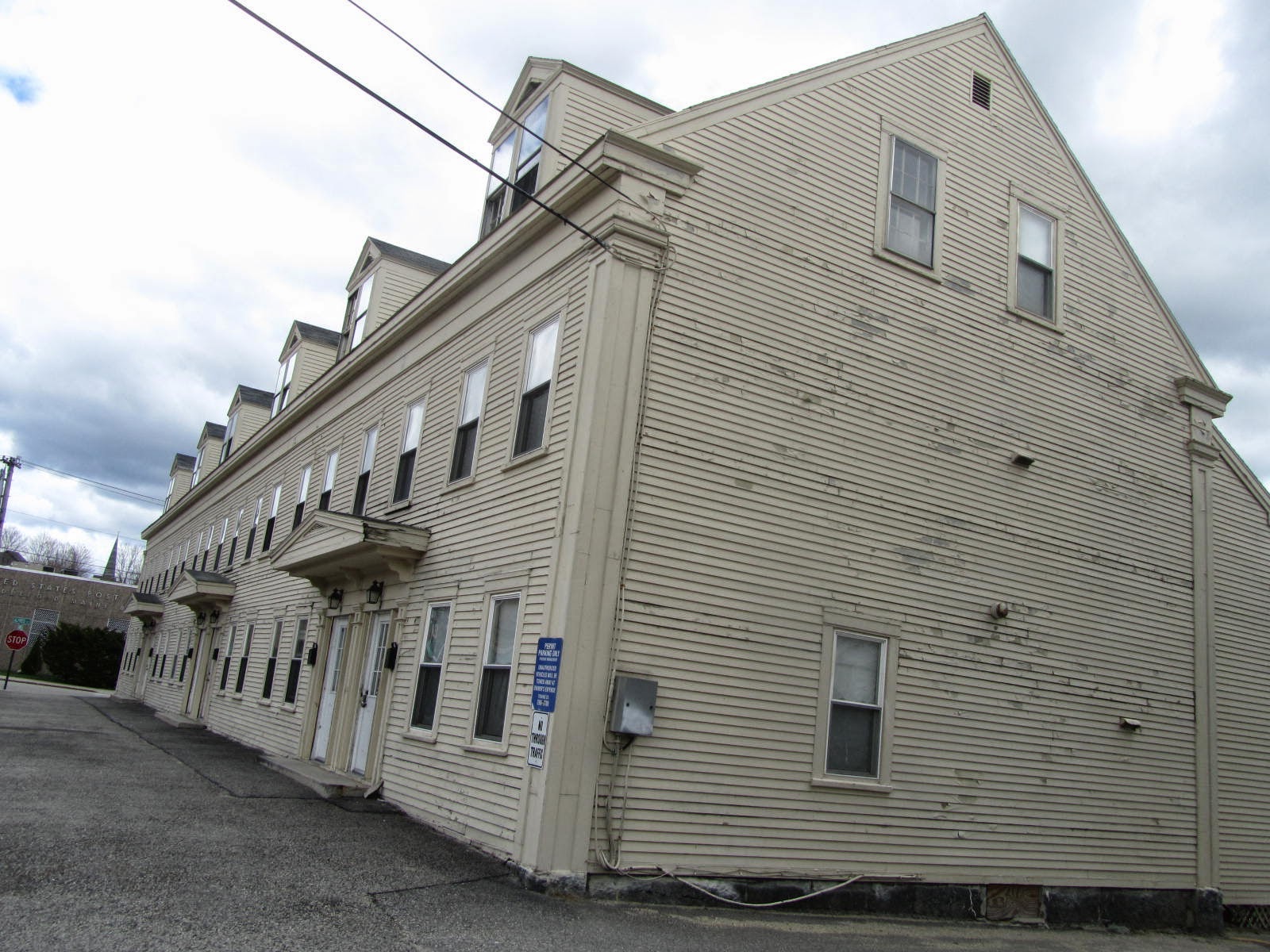
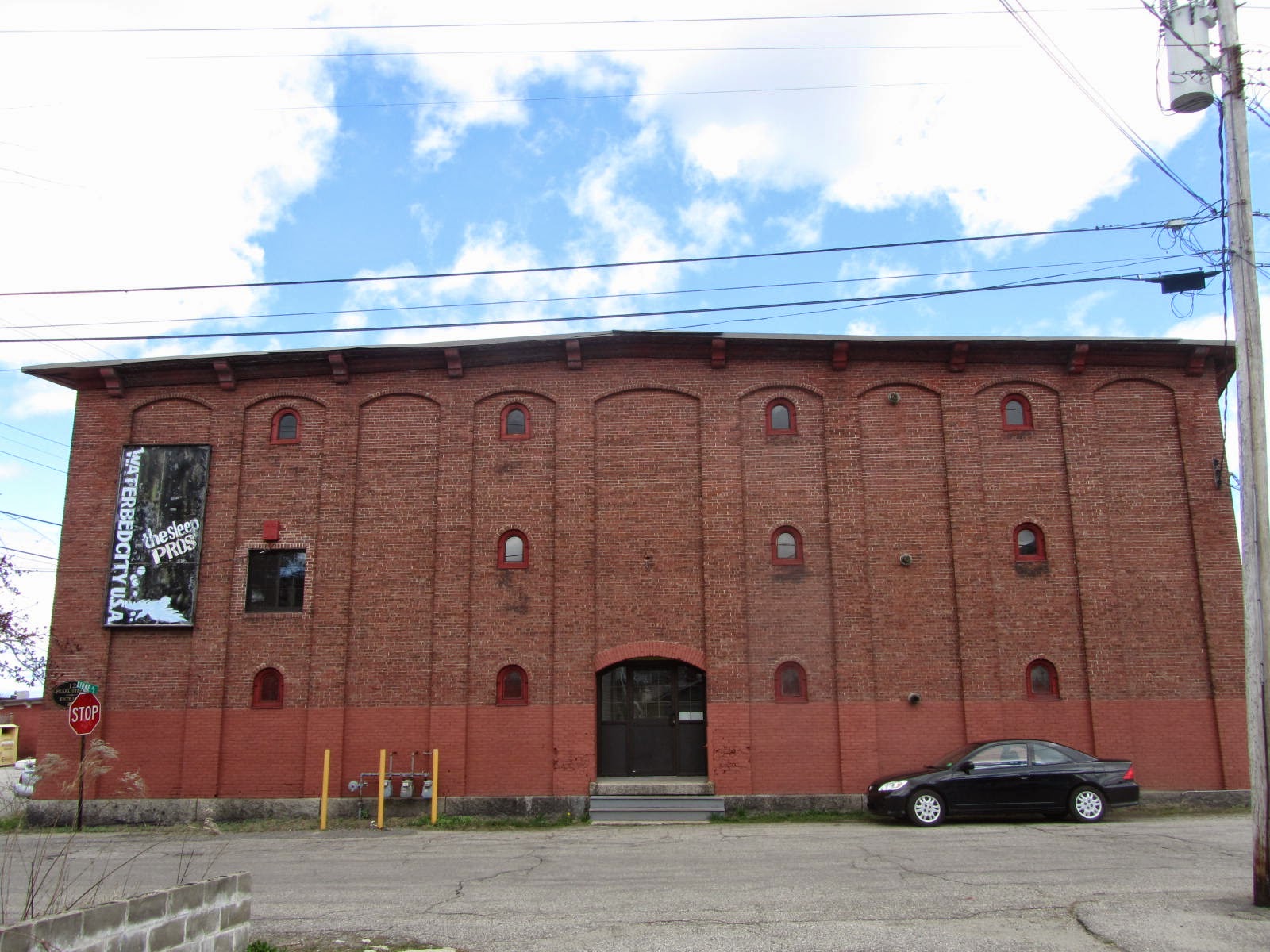
 Saco is just across the (Saco) river from the old textile town of Biddeford, Maine which we've been posting recently. Though the towns are adjacent they have distinctly different appearances. Saco was probably the older settlement, and it remained the place where managers and professions lived in large "New England" houses of various styles and eras, while factory hands were lodged in a variety of buildings across the river. Population in Biddeford was denser, the style of houses leaned more to the "three-decker" and other multi-family types of buildings; and Biddeford remained a "French" and working class town, with its parochial as well as public schools. Saco had (has) Thornton Academy, a private school which predates the public school system in Maine and functions as a public (tuition-free) school for Saco.
Since Maine factory towns were often on rivers, and rivers often were the boundaries of New England townships, this allowed a convenient(for the richer town) type of segregation in the 19th century when the mills started to develop and draw in large foreign-born populations of workers.






July 20, 2020
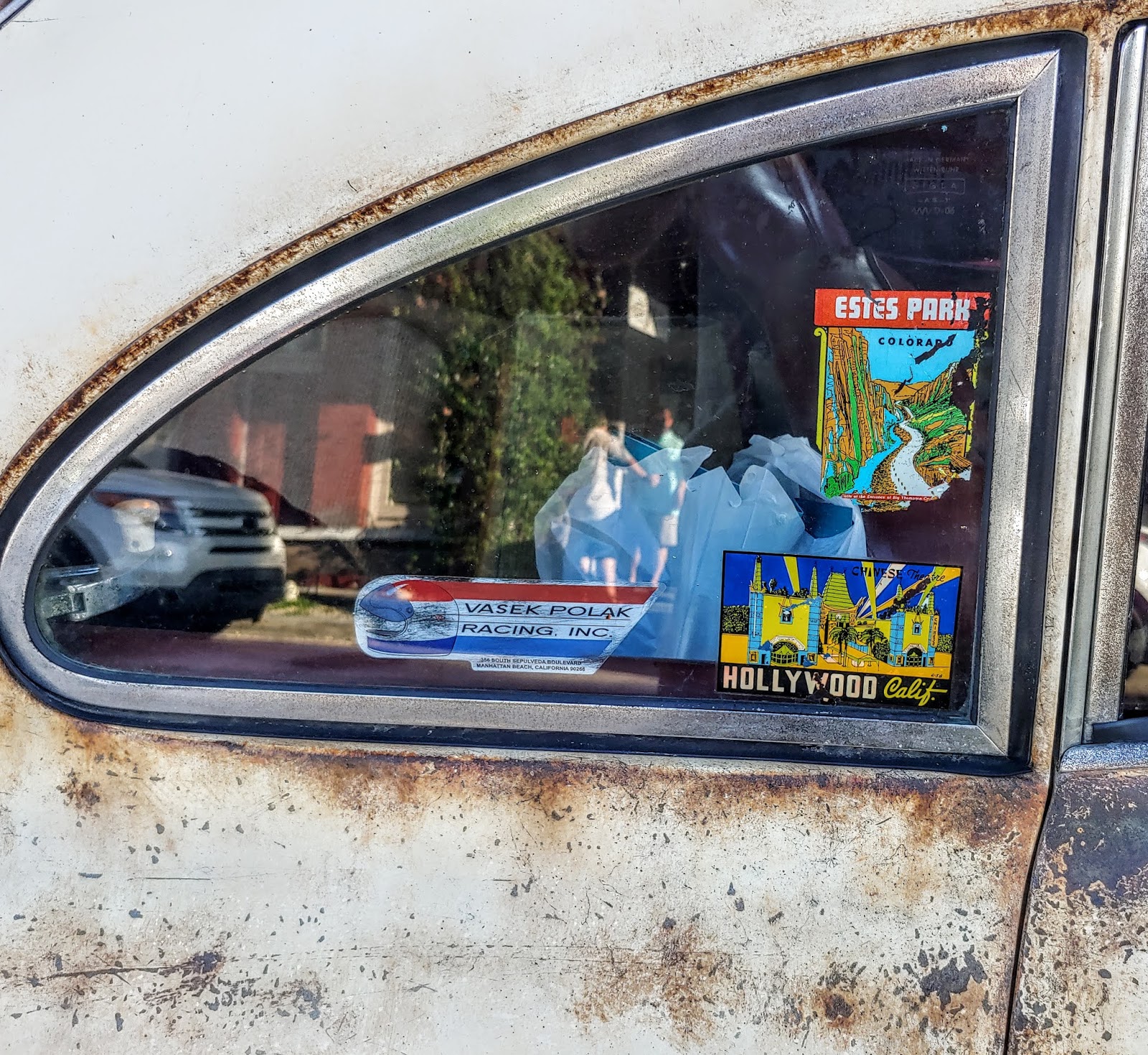
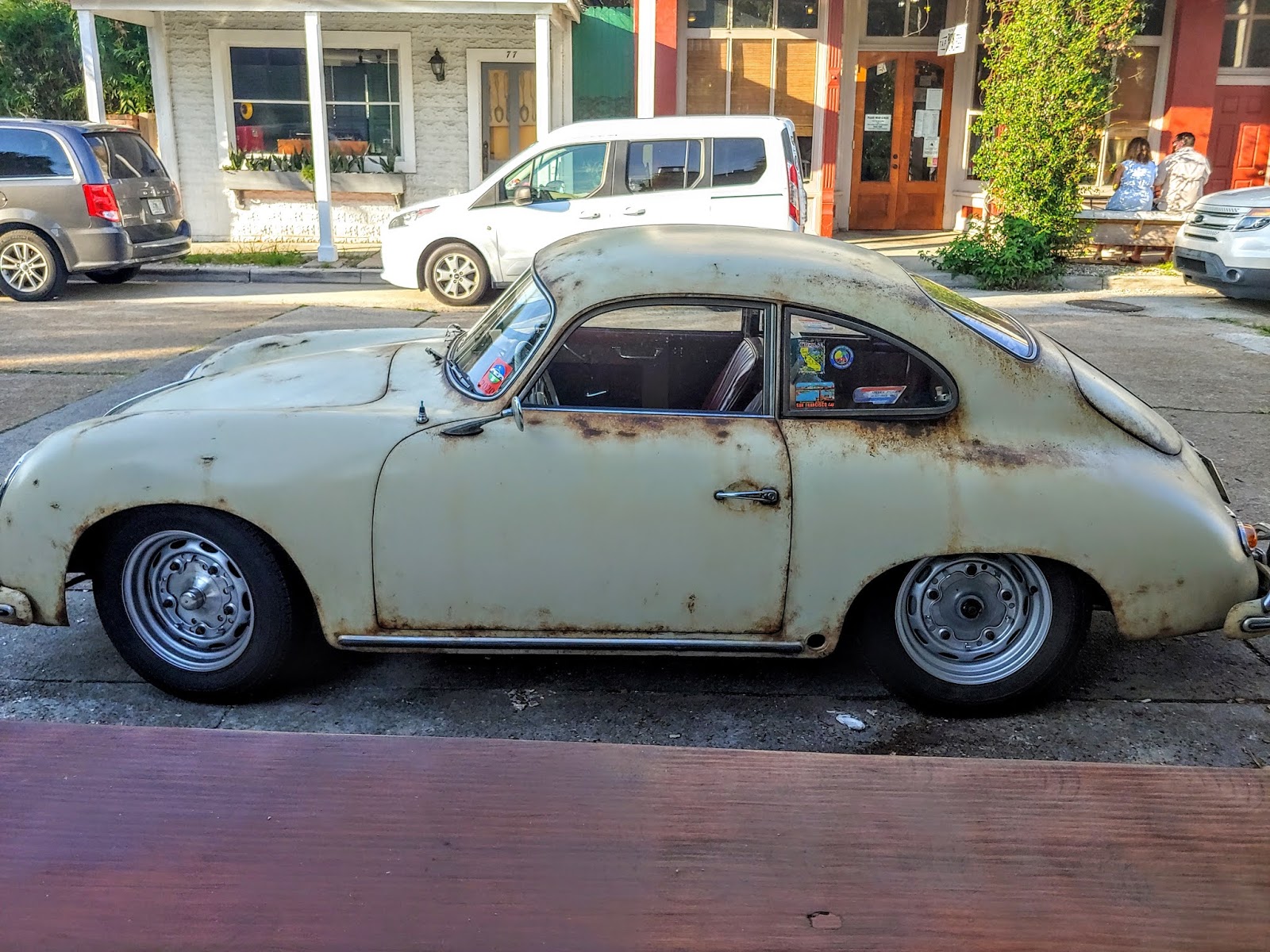
Porsche 356, Commerce Street, Appalachicola FL
 Greg Phillips photographs.

July 19, 2020
Textile Town (part 2)
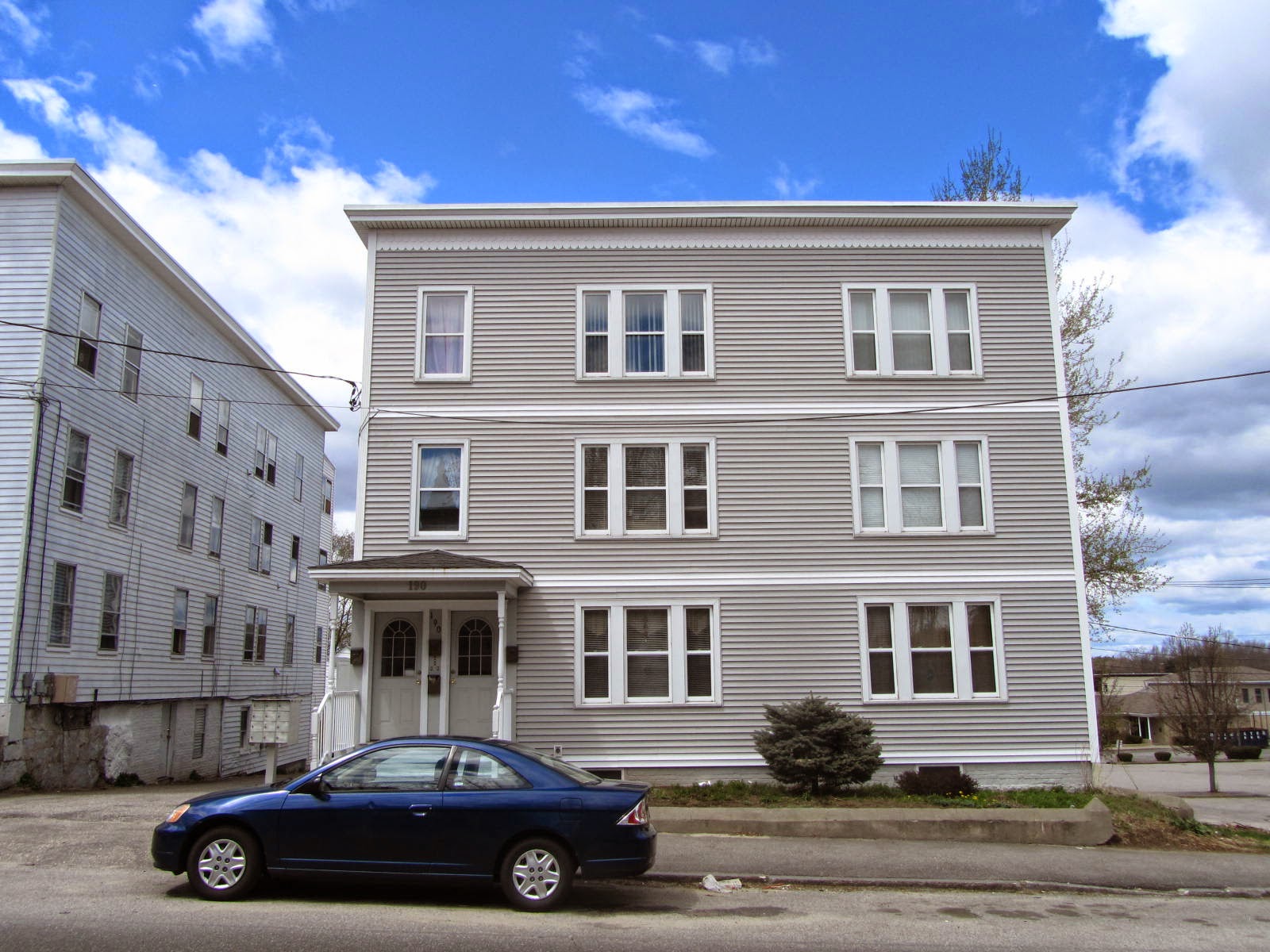
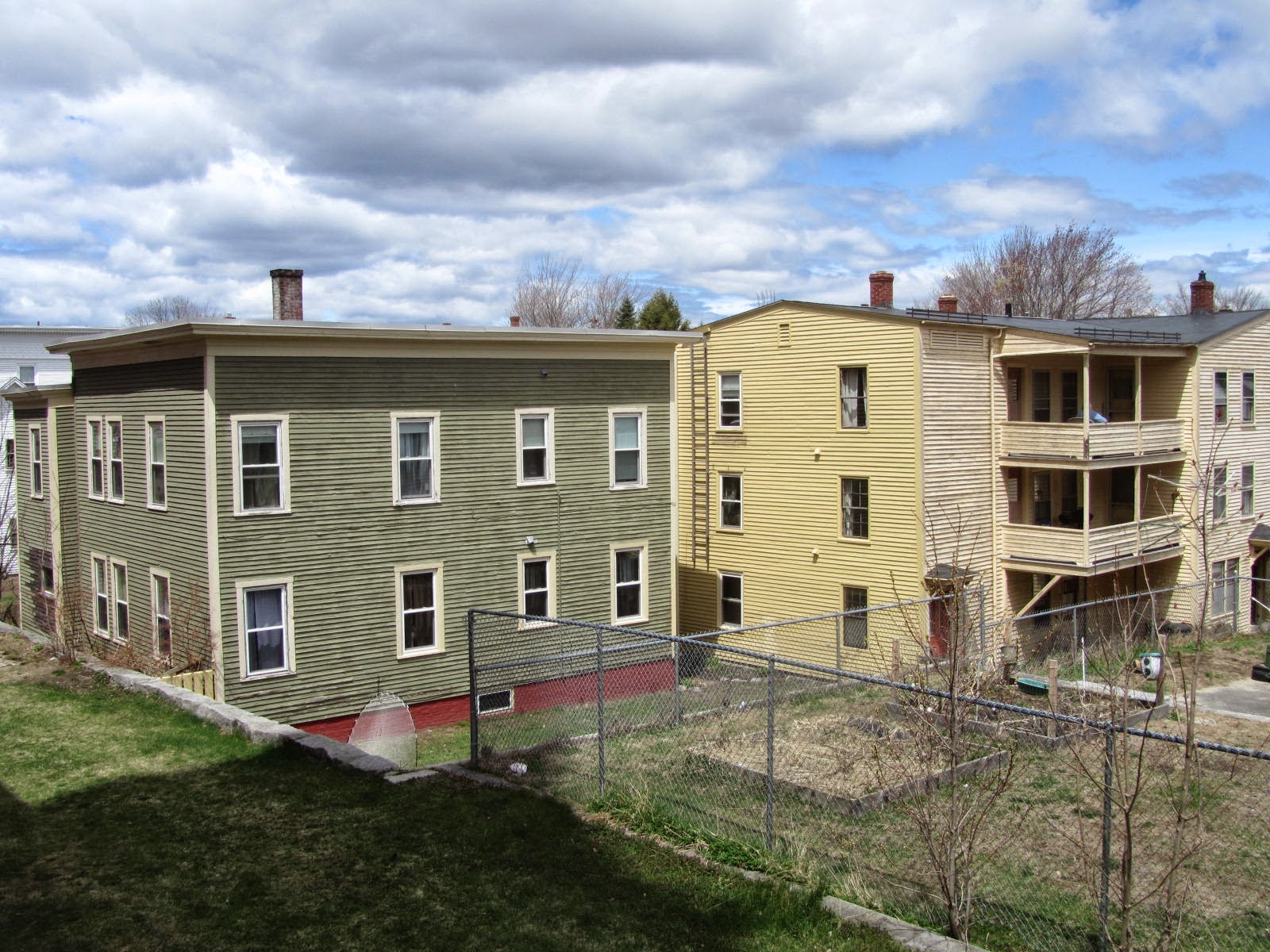
 Part 1 of this series focused on the textile mills that were Biddeford, Maine's reason to be. Housing in the central part of town is mostly from the late 19th and early 20th century, when immigrants--mostly French Canadian, but also Irish--were packing into Biddeford to work in the mills. Much--not all--of the housing in the central part of town is multi-family. Probably some of these no doubt were boarding houses, renting out rooms to workers. The three-decker is the classic New England factory town house: three apartments stacked on one top of the other in a wood-frame, and wood-clad, building. Across the river, in the town of Saco, Maine the housing stock is quite different. But Saco was where the management and professional class tended to live. Houses over there, some from the early 19th century, are large and impressive in a variety of more familiar "New England" styles. There will be an Autoliterate post coming up on Saco.
I've know Biddeford all my life and I have to say as a kid the town scared the heck out of me. The mills looked like jails, which is how they probably felt to most of the people who worked in them. The houses are close together, and streets tend to be narrow. If they are not narrow they are hectic with traffic that's mostly just passing through. While there is not a lot going on in central Biddeford, the regional road network focuses there--US 1 goes right throughout the town. So there is the constant thunder of traffic.
The scale and shape of Biddeford give it an integrity as a built town but that closeness and 'urbanity' is pulverized by the horde of vehicle traffic streaming through. It's a problem in almost all Maine towns of any size, which tend to be road junctions: in the 21st century that means constant highway noise, danger, dirty air, and that lonesome left-by-the-highway feeling, even when you're standing in the middle of a market town or small city.
If we're going to figure out how to make North American towns humane again--i.e., reasonably pleasant places in which to be a human being, not merely a consumer--step one would be reorganizing the highway network. In Western Europe highways and busy commuter roads are often kept out of town centers, so those towns keep their integrity as living (and breathing) towns. So it's not impossible. It's not magic, and it's not rocket science--it's just planning. But "planning", as in "urban-" or "regional planning", is a hot button word for the real estate industry, which is in charge, in the most basic sense, of the geography of daily life. Somehow we've handed over to them all responsibility for figuring out (or not) way we live now. So landscape is machinery for generating profit. The problem with effective reform is ultimately the Constitution: once more our reported "freedoms" will get in the way of people trying to address in a sane and sustainable way problems everyone deals with on a daily basis. Like commuting times, traffic, the deaths of neighborhoods...
More and more I see the U.S. Constitution as a large dead bird we're all wearing around our necks.
Speaking of factory towns, at the very end of this post, there's a treat: a early poem from David Rivard, "Fall River". It appeared in his first collection, Torque which was Published in the Pitt Poetry Series, and won the 1987 Agnes Lynch Starrett Poetry Prize.












Fall RiverBY DAVID RIVARD
When I wake now it’s below ocherous, saw-ridgedpine beams. Haze streaks all three windows. I look upat the dog-eared, glossy magazine photoI’ve taken with me for years. It gets tackedlike a claim to some new wall in the next place—Bill Russell & Wilt Chamberlain, one on onethe final game of the 1969 NBA championship,two hard men snapped elbowing & snatching at a basketballas if it were a moment one of them might stay insideforever. I was withmy father the night that game playedon a fuzzy color television, in a jammed Fall River bar.Seagram & beer chasers for hoarse ex-jocks,smoke rifting the air. A drunk called him “Tiger”and asked about the year he’d made all-state guard—point man, ball-hawk, pacer. Something he rarely spokeof, & almost always with a gruff mix of impatienceand shyness. Each year,days painting suburban tract houses & fightingwith contractors followed bynight shifts at the fire stationfollowed by his kids swarming at breakfastand my mother trying to stay out of his way,each of the many stone-hard moments between 1941 & 1969—they made up a city of granite millsby a slate & blue river. That town was my father’slife, & still is. If he felt cheated by it,by its fate for him,to bear that disappointment, he kept it secret. Thatnight, when he stared deep into a drunk’s memory,he frowned. He said nothing. He twisted on the stool,and ordered this guy a beer.Whatever my father & I have in commonis mostly silence. And anger that keeps twistingback on itself, though not before it ruins,often, even something simpleas a walk in the dunes at a warm beach.But what we share too is a love so awkwardthat it explains, with unreasoning perfection,why we still can’t speakeasily to each other, about the past or anything else,and why I wake this far from the place where I grew up,while the wall above me claims nownothing has changed & all is different. from Torque (1987) and used by permission
July 18, 2020
1957 Chevrolet Bel Air Nomad
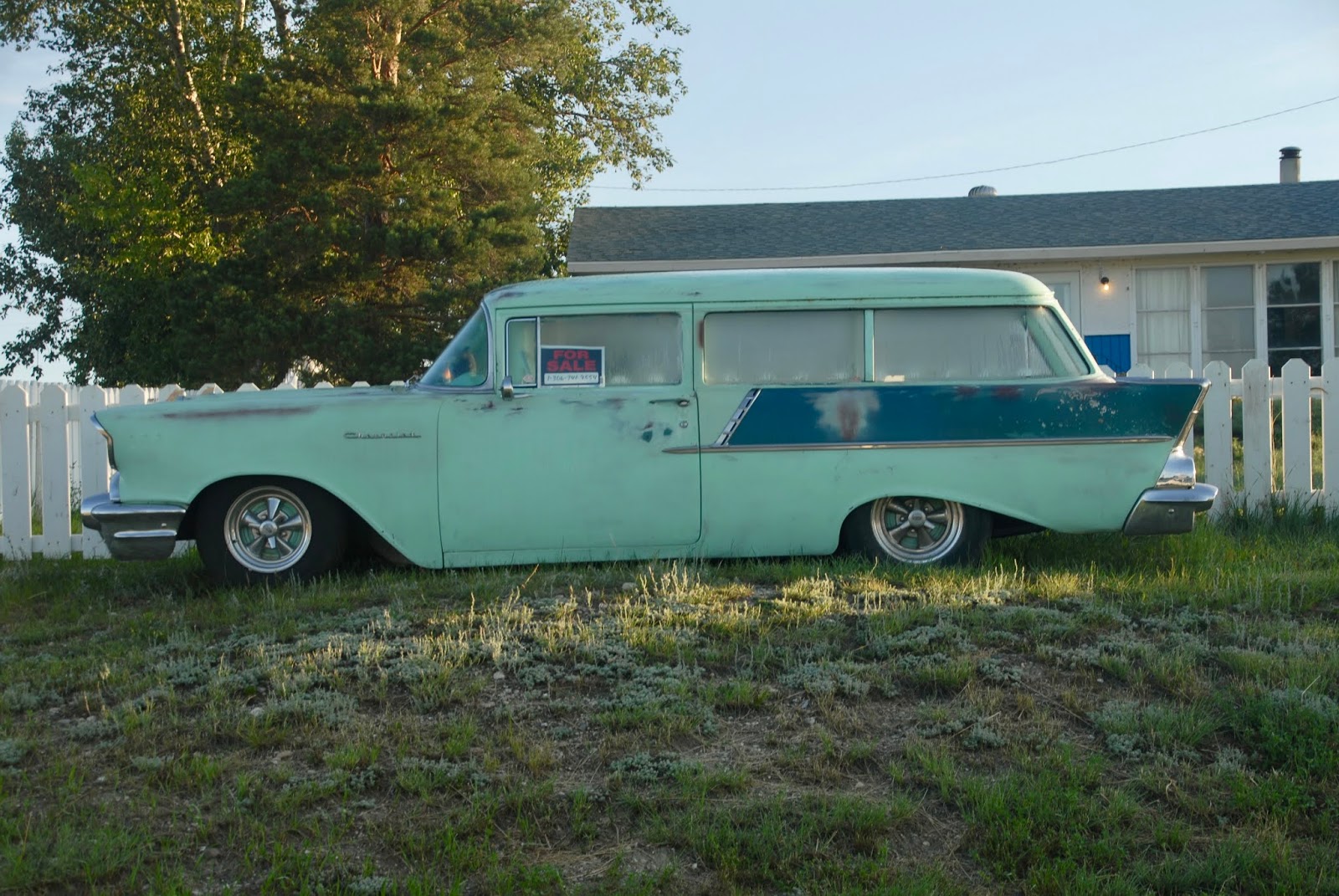
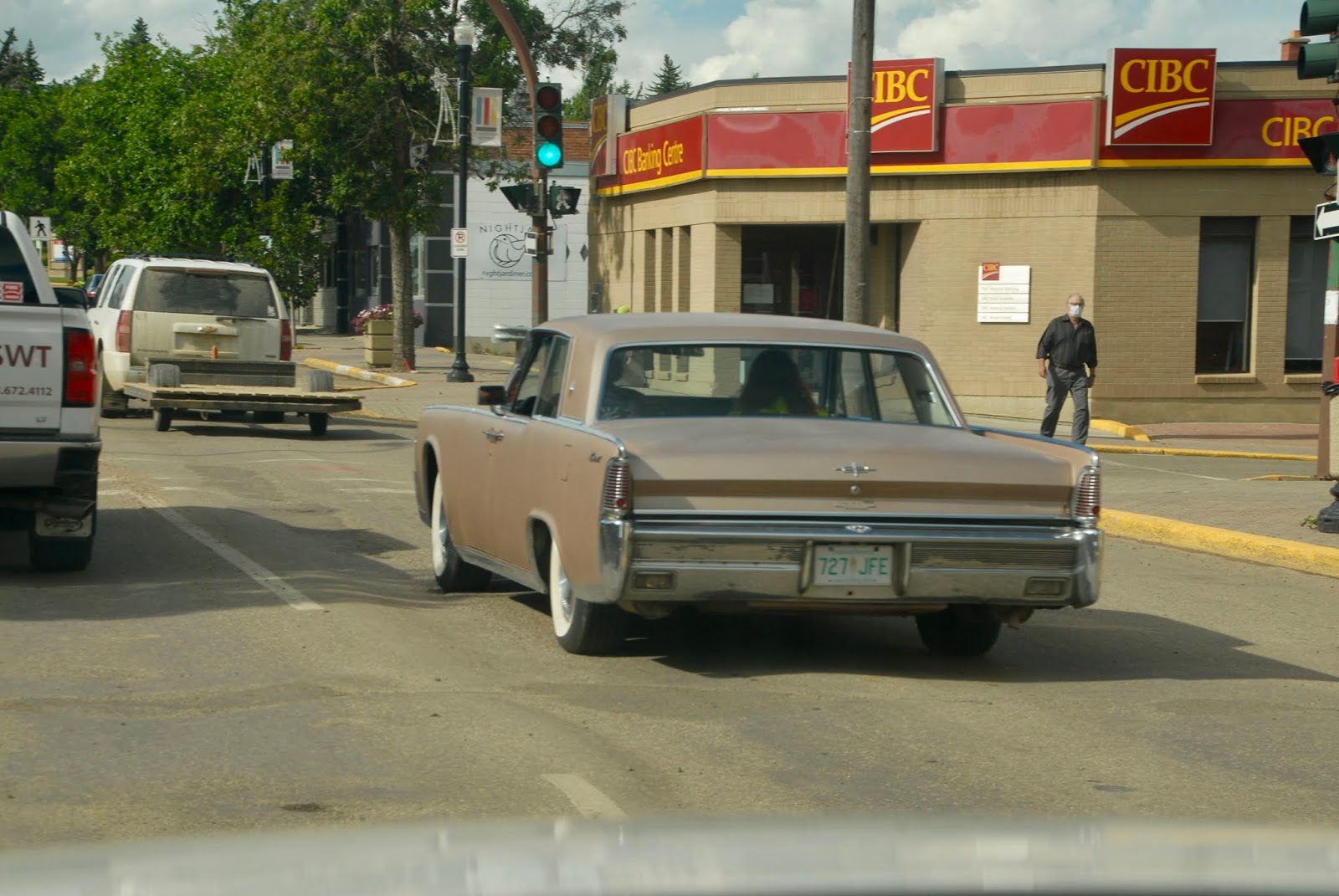
from Alex Emond: "I was driving in Swift Current the other day when the old slab sided Lincoln (below) crept past me . That was a one-handed camera shot. Yes, even in Saskatchewan people are wearing masks. So far, not too many cases, but there are a few.

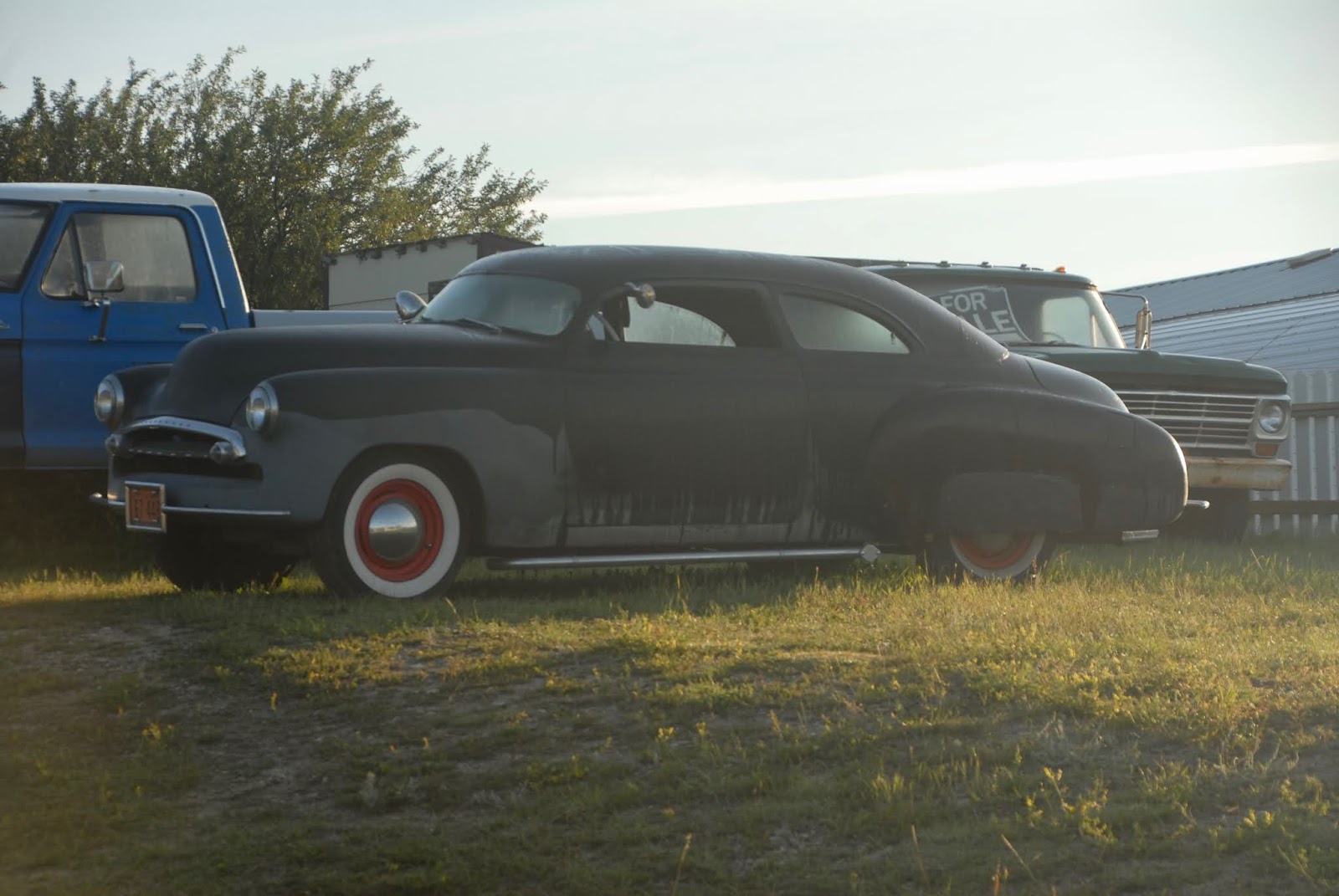
"In another part of Swift , at "Mel's Nice Cars" there's always a few funky old trucks and cars for sale. Mel is a bit of an evil genius with a handful of interesting creations up for grabs . Cheers , Alex
 1950 Ford F1 (or Mercury M1)?

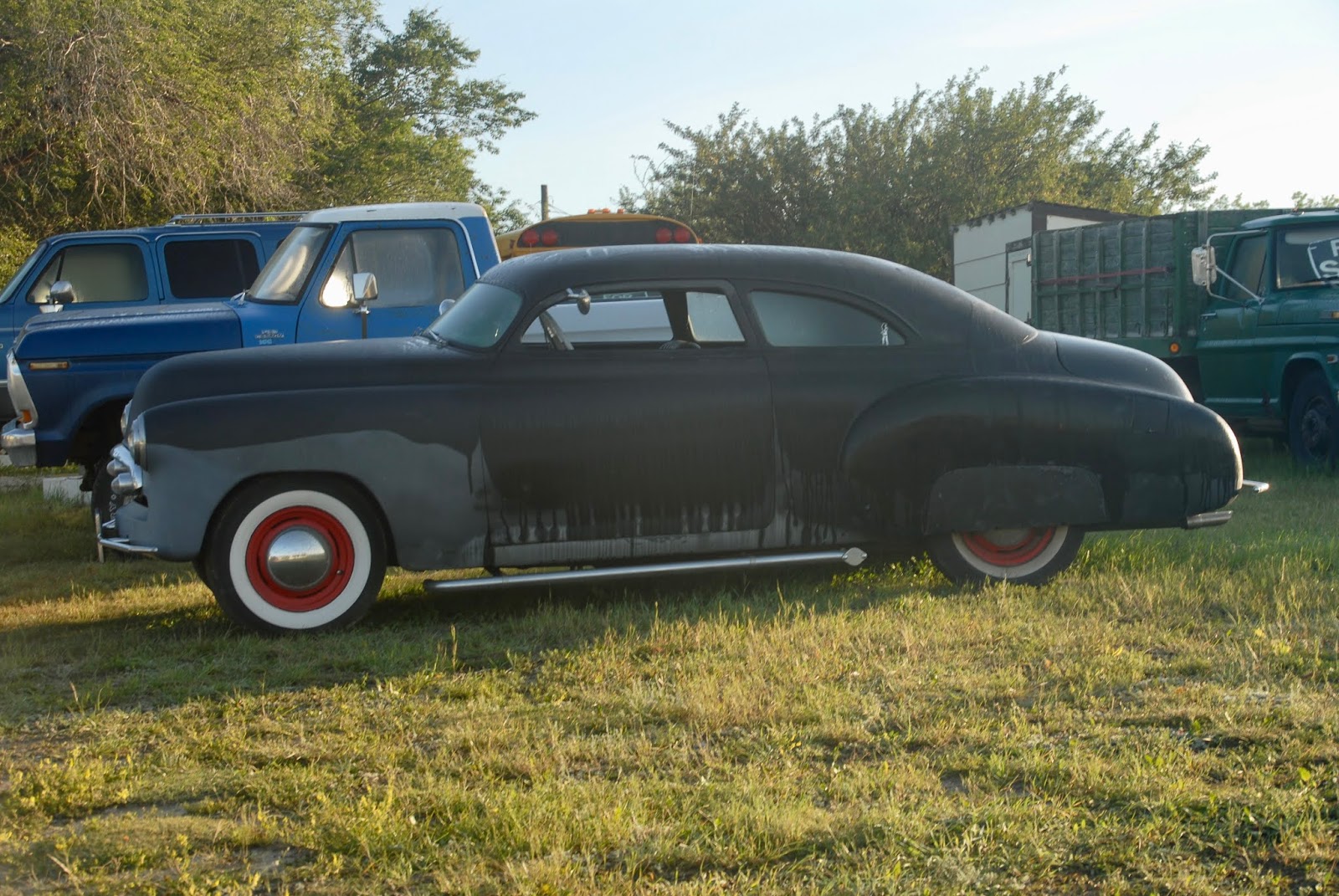 1949 Mercury. Chopped? AL has posted More Mercury of this era
July 17, 2020
Textile Town (part one)
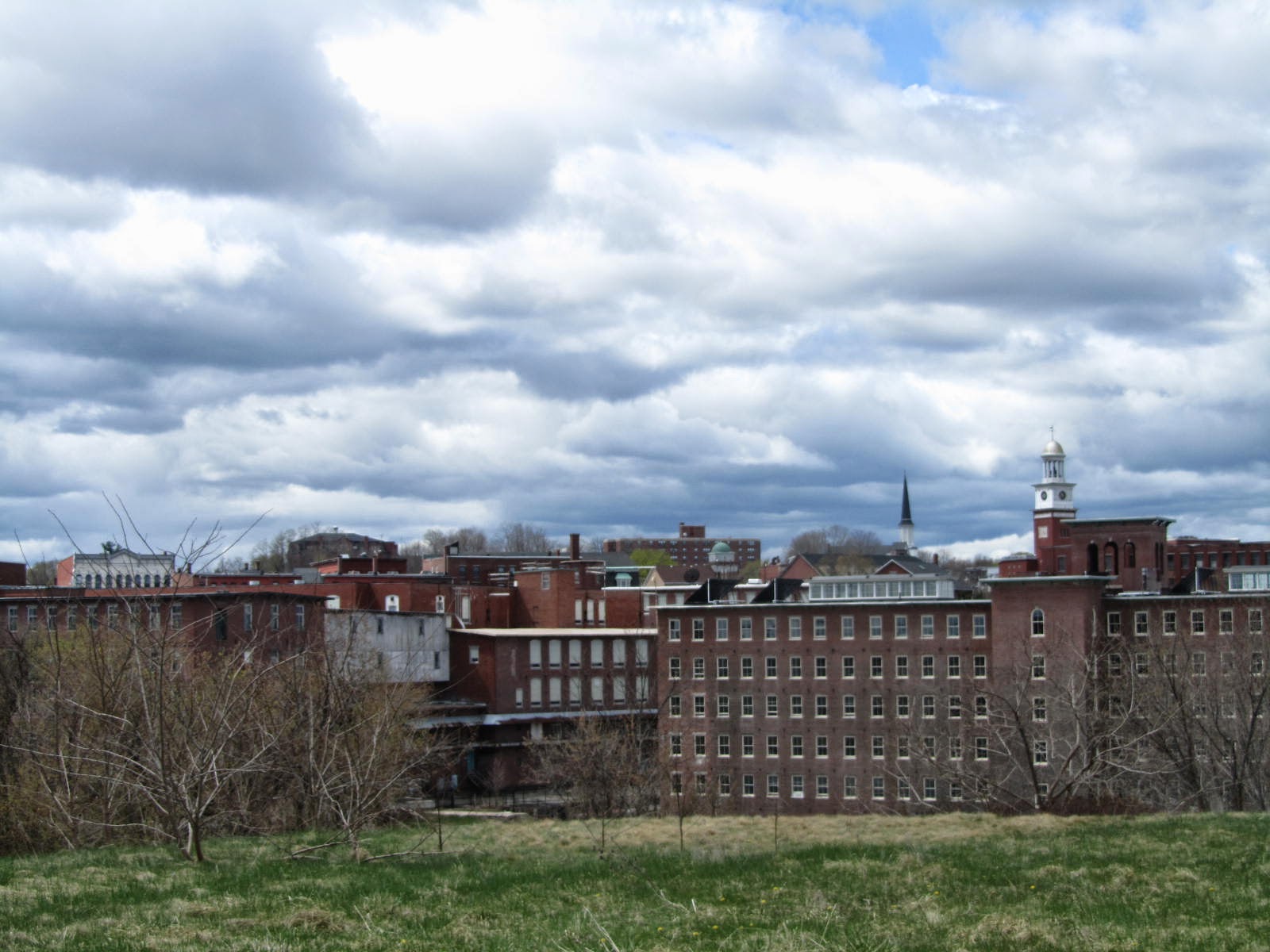
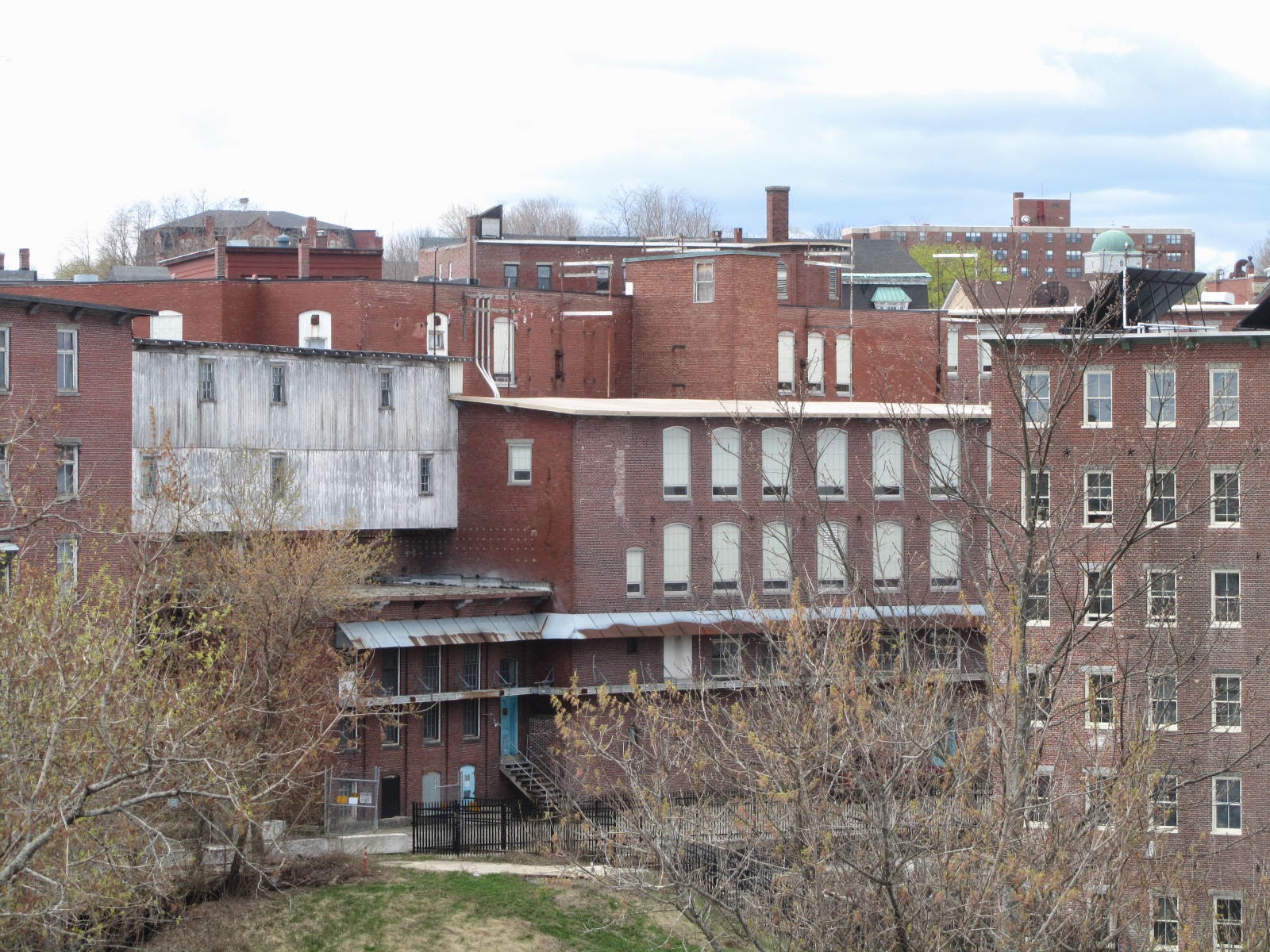
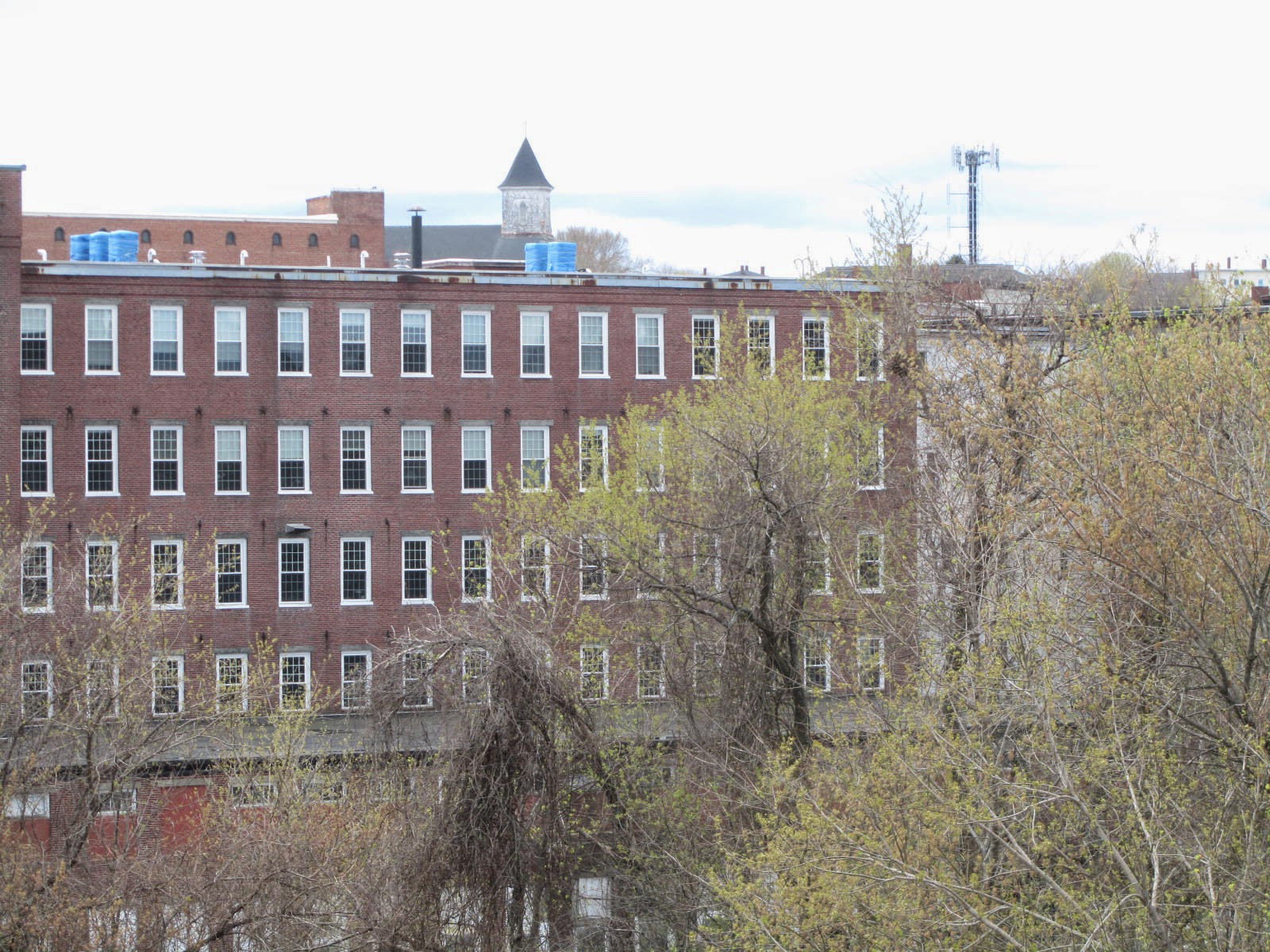
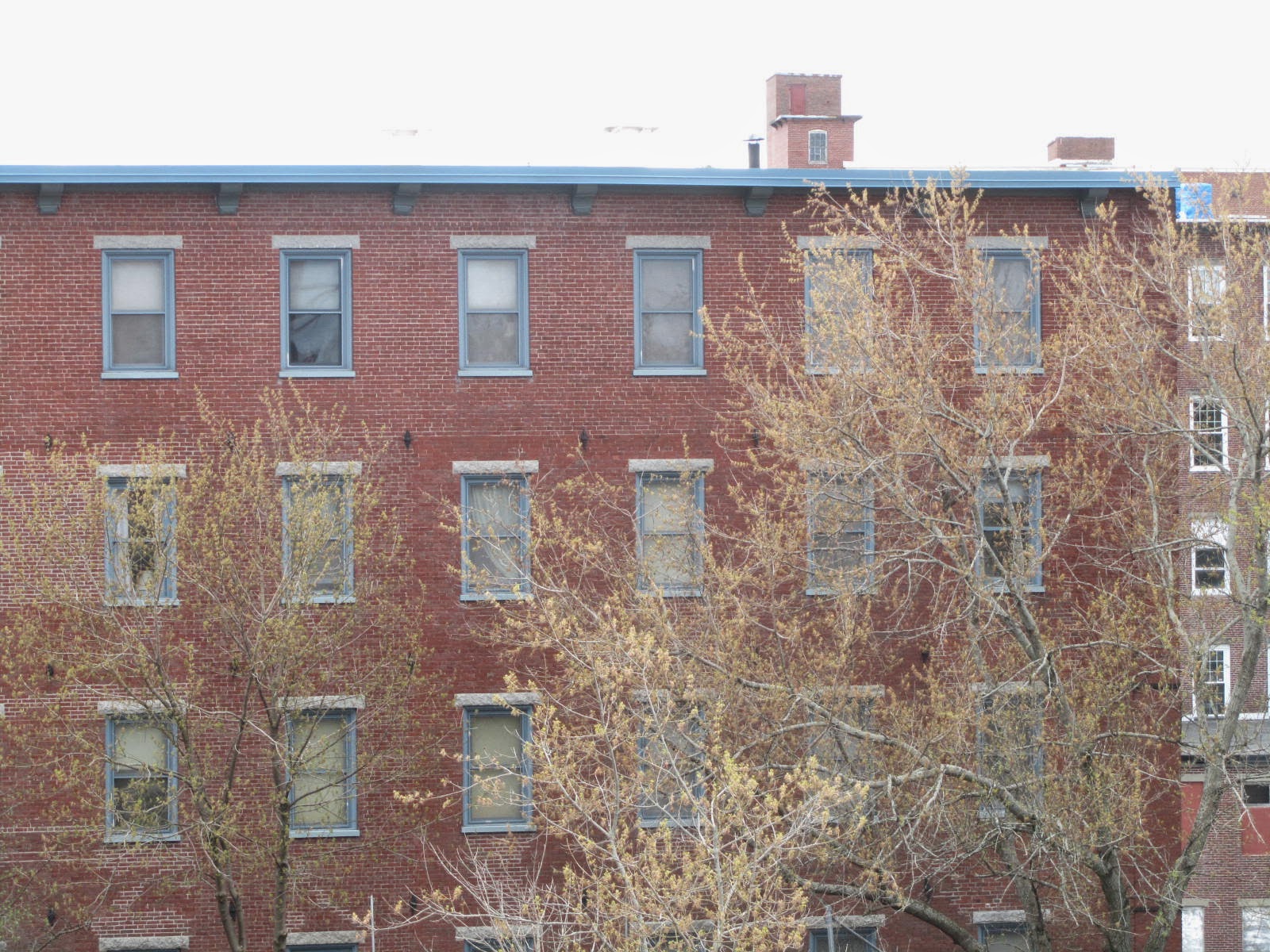
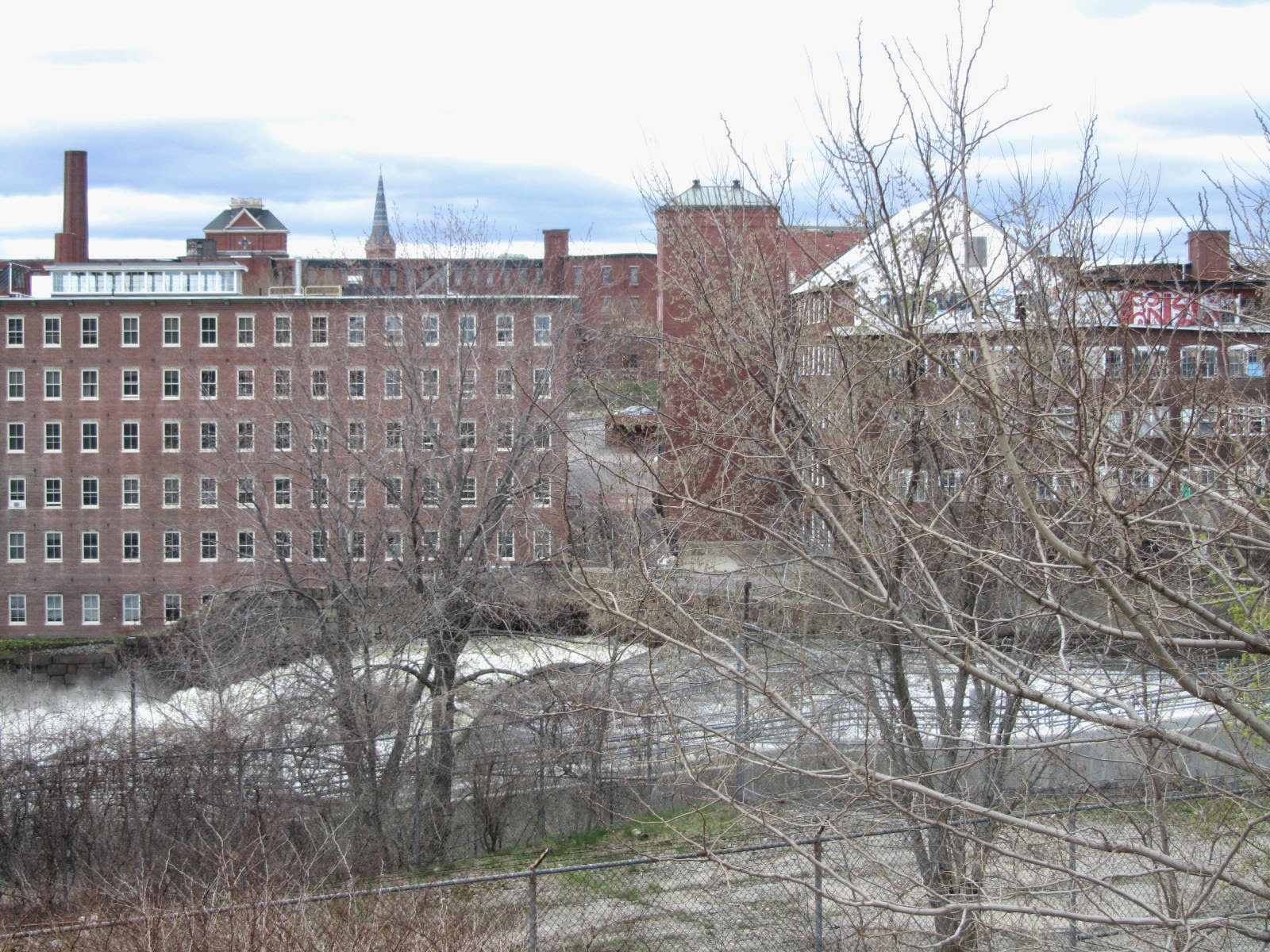
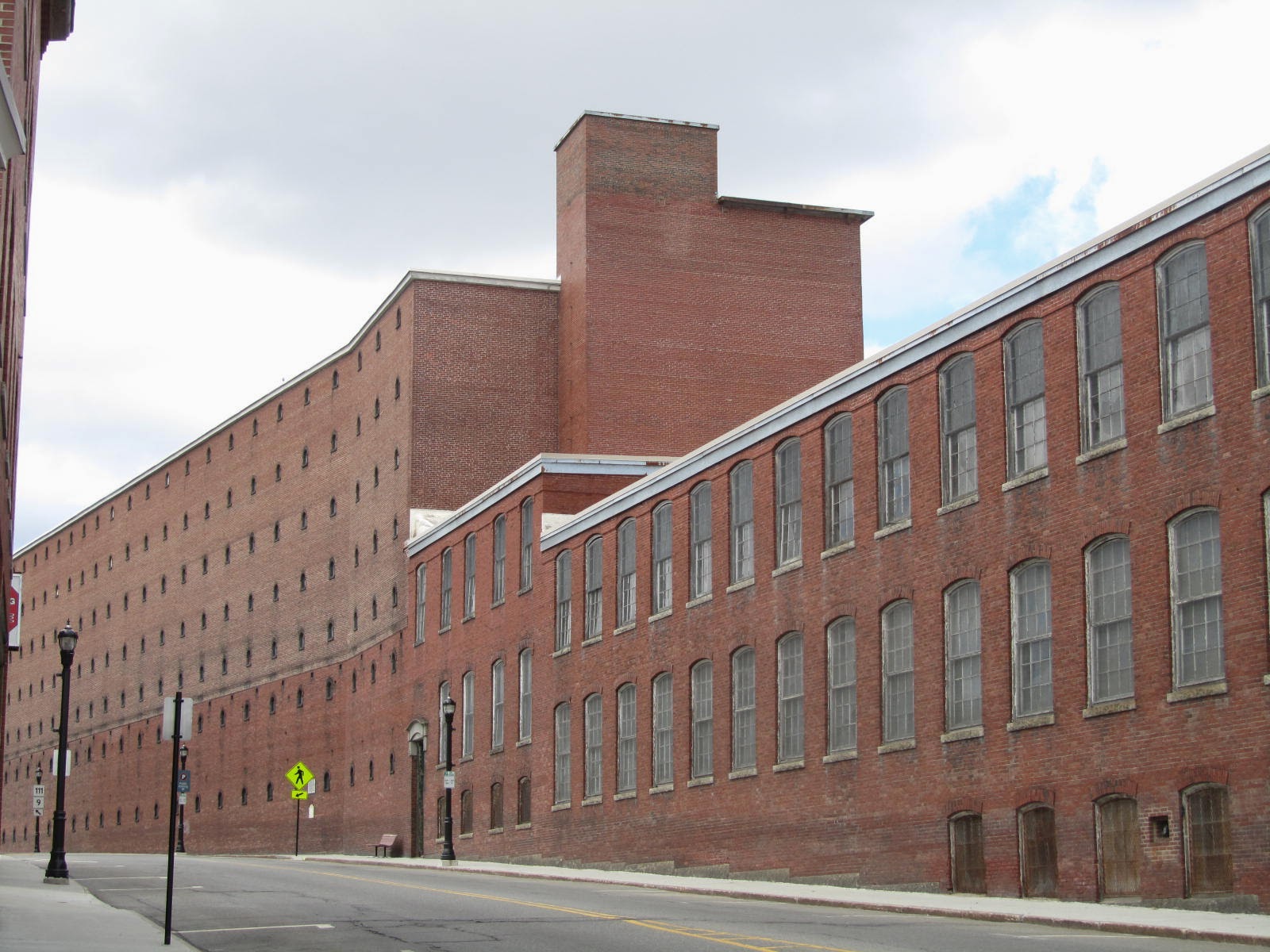 (Reposting this one, from a few years back.)Biddeford, Maine has always fascinated me. As a kid who grew up in Anglo Montreal and spent summers at Goose Rocks Beach in Kennebunkport (a couple miles from Biddeford, and a world away) it was always curious to hear more French in the Shaw's grocery store nearby Biddeford, Maine, USA than in the Steinberg's epicerie in, say, the Montreal neighborhood of Westmount. And even to my Irlando-Anglo ears, the French we overheard in Biddeford sounded old-fashioned, countrified, twangy--quite different than the various forms of Mo-ral-all-accented French we heard and spoke chez nous. Hearing French--often Acadien, even calcified forms of chiac--in the aisles at the Shop n' Save began a lifelong fascination with the complicated history of "Franco America", which is also the history of Canada, and of Quèbec. Class, ethnicity, nationality, religion, issues of identity, economic history---these themes all play out in the history and morphology of New England mill towns. Biddeford is on the Saco River, only a couple miles up from the coast. The Saco in one of those New England river valleys that industrialized early (but a bit later than Lowell and Lawrence on the Merrimack R. in Massachusetts) and got a big boost during the Civil War. Uniforms and blankets. The textile mills drew people off the farms of Quebec and New Brunswick. There was hardly any industrial economy in Canada at the time; to participate in the wage-world people had to head south, commonly to the textile and shoe mills which had first located along New England's narrow, hard-charging rivers which supplied the industry's first industrial-scale energy, powering turbines and then hydroelectric plants to zoom the power-looms and spin the lathes. It helped that some of the first railways in Canada were built to connect the St Lawrence Valley with the year-round ocean port at Portland, Maine: thousand came down to Maine riding the Grand Trunk Railway on cheap fares and were met by hiring agents at the gares in Lewiston and Biddeford. And of course the French Canadians weren't the only ethnic group seeking an American toehold in the textile towns: they fought it out--some times literally--with Irish, Italians, Portuguese. Main street merchants were often Jewish, Greeks ran the restaurants, ye olde Yankees tended to own the mills.
 Jacques Downs in Cities on the Saco has written one of the few excellent local/regional American histories. As a genre, much local historiography is tedious and sans idèes: but Downs wants his readers to think, not merely reminisce, and illustrations are excellent. Should you decide to read the great Franco-American writers, you could start with Clark Blaise (fiction, memoir) and David Rivard (poetry). The list is long, and of course Jack (Ti-Jean) Kerouac has a honored place on it.
The Autoliterate notion is to run a "Biddeford" series of posts. If you follow the blog, you know AL is interested in the morphology of North American towns, and very curious about vernacular architecture, and landscape, and the way we live now--or lived then.
Today's post focuses on the mills which were Biddeford's raison d'être. They occupy both banks of the Saco River--in Biddeford, and across the river in the town of Saco; as well as on Saco Island.
Other post in the series will look at houses; commercial buildings; the peculiarities of the town of Saco (mill towns were usually on a river, and rivers were often the boundaries of different & fiercely independent New England townships, which was convenient for purposes of social segregation. If the mill 'hands' could be kept on one side of the river, the managers could occupy on the other, with separate school systems, etc.
There's something about getting out and walking the streets of a town you have known all your life--as an outsider--that is exhilarating and inspiring. Biddeford has certainly seen more than its share of hard times. Thousands of workers invested blood, sweat and tears in this place, and maybe many of them never got much to show for it, or nowhere near as much as they deserved.
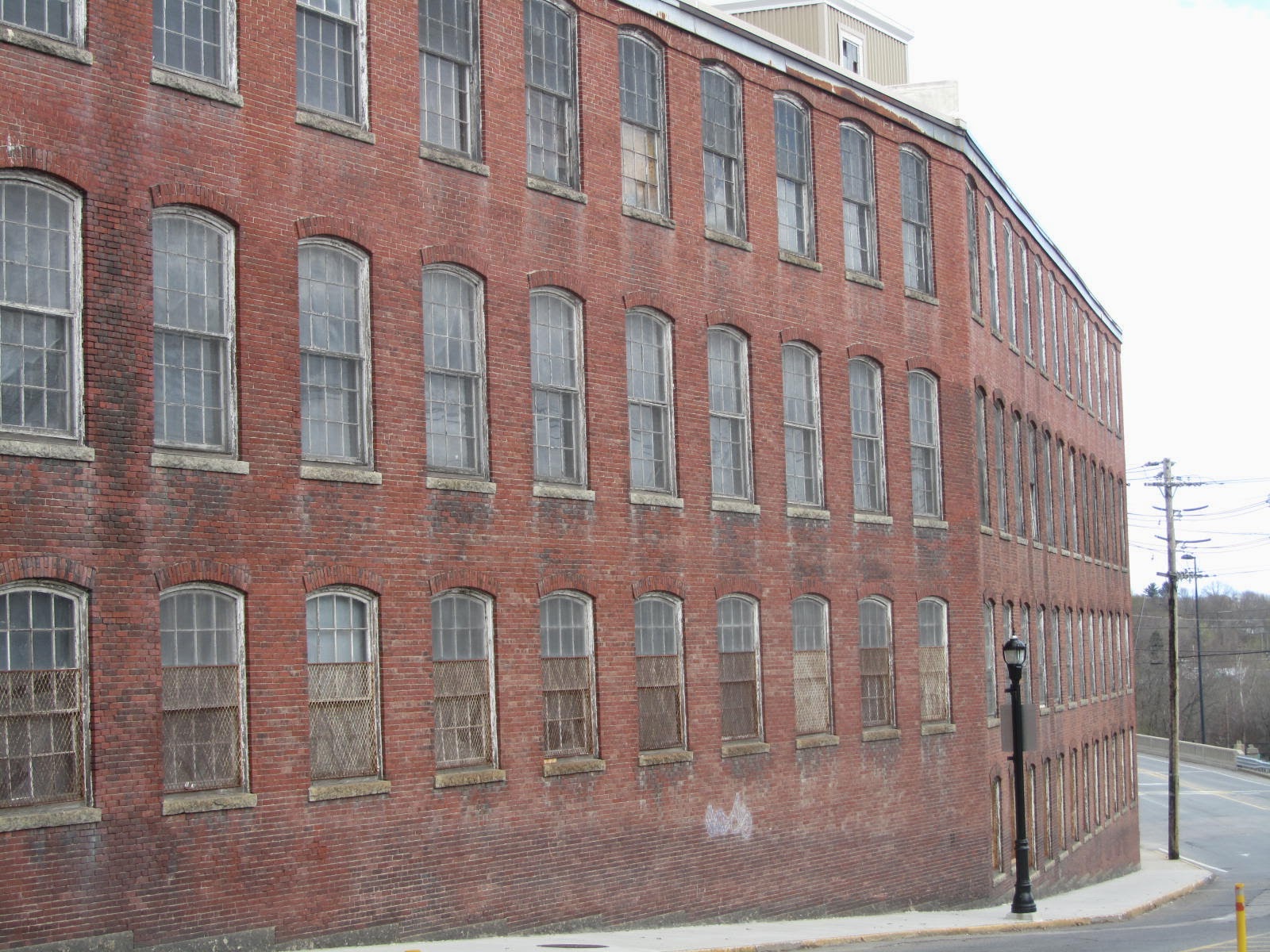
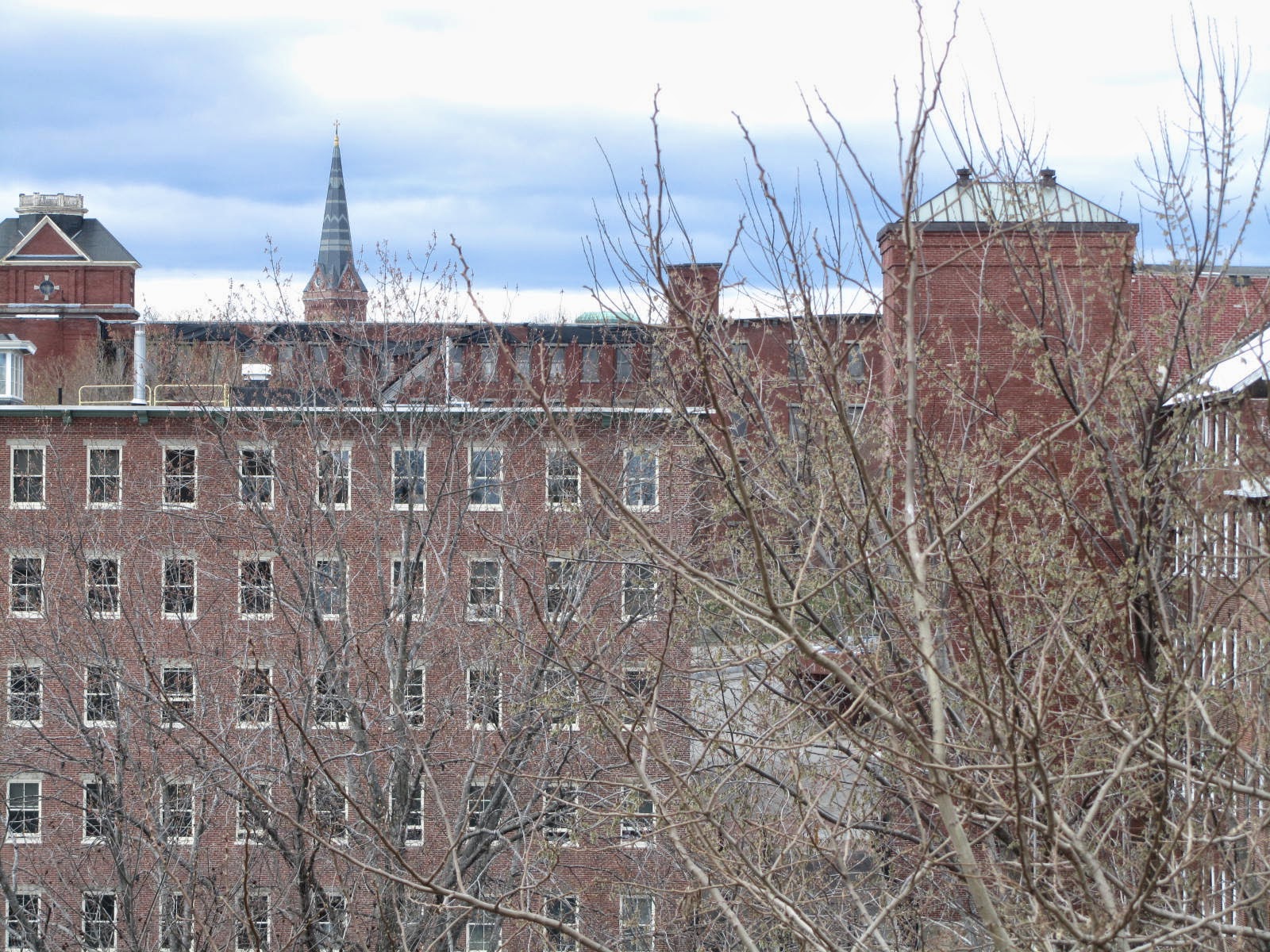
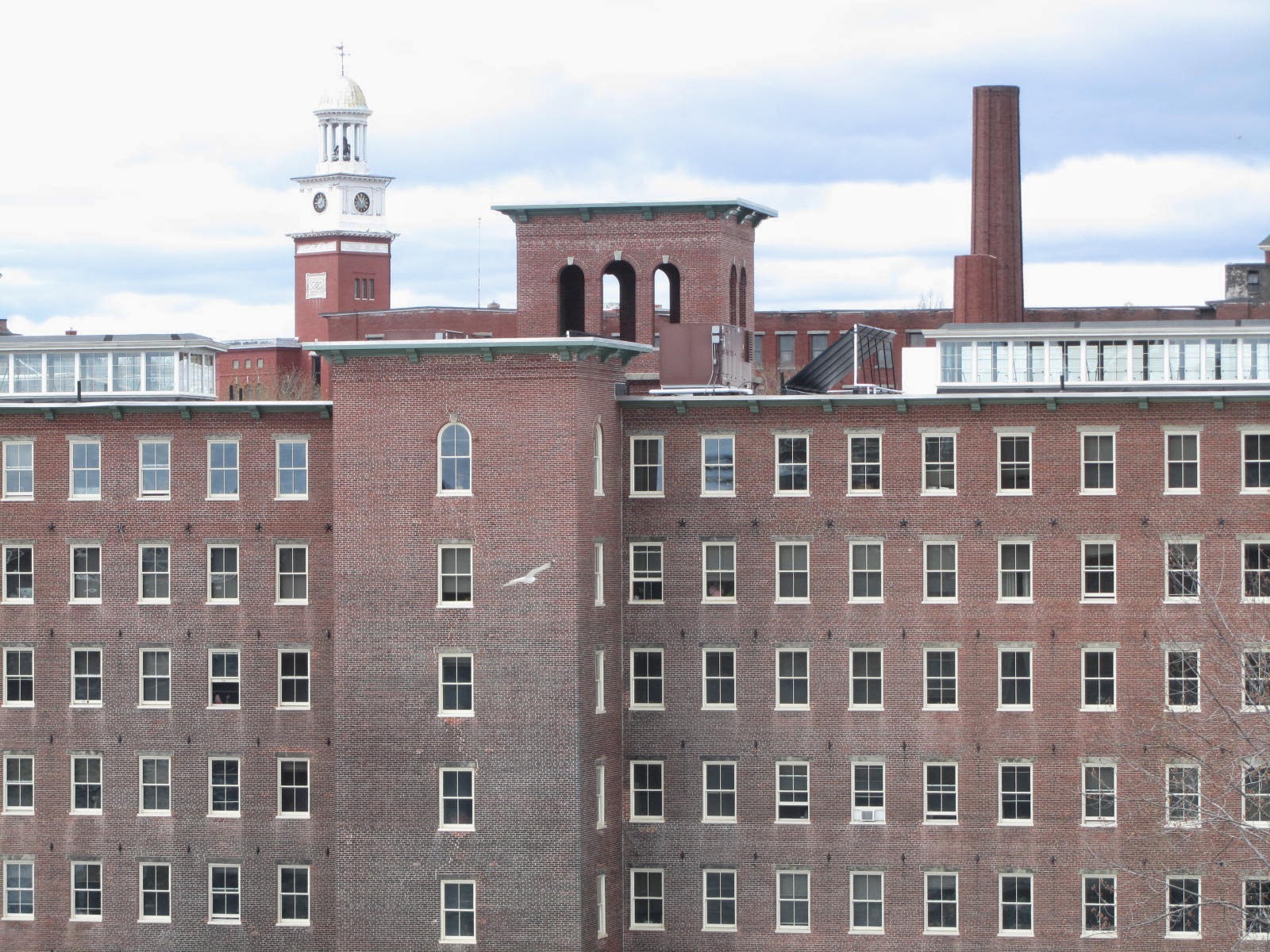


July 16, 2020
Janice and Volvo PV544, The Haight.
 That would be Haight-Ashbury, San Francisco, Summer of Love. We were not spreading a lot of love in SE Asia that summer. I don't know the photographer (above) but portrait of Janis, below, is by Jim Marshall.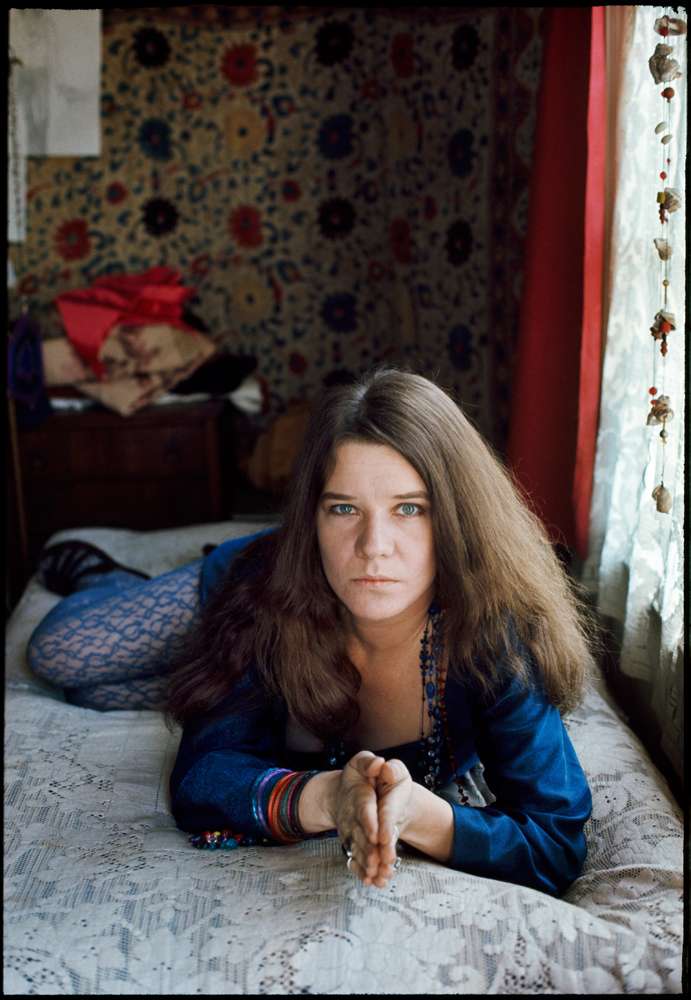
July 15, 2020


July 14, 2020
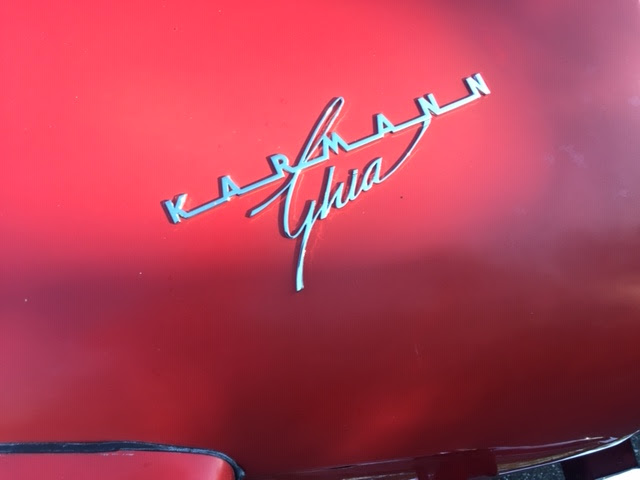
Volkswagen Karmann Ghia

Derek Van Bever found the car in Blue Hill Maine. And what's that early 1920s touring car in the BG? Wooden spokes, I see. Here's another Karmann from Cambridge, MA



July 13, 2020
Studebaker Bonneville Kodachrome.
 Jeff Pierce photo.
More Bonneville Studebakers:
 Pushcar's a..what? '59 Oldsmobile?
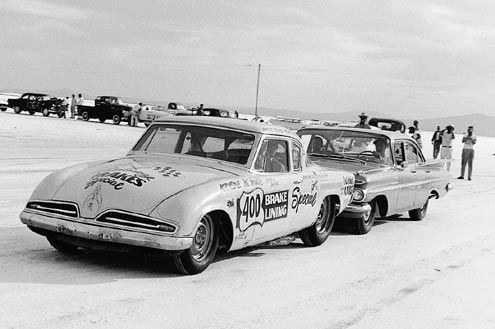 Pushed by a '59 Cat's Eye Chevy.
 ...and Neil Thompson's Studebaker